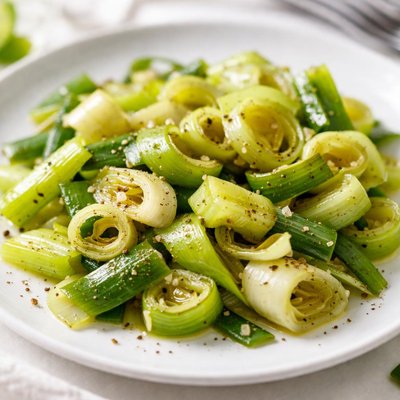
1 serving (89 grams) contains 54 calories, 1.3 grams of protein, 0.3 grams of fat, and 13.0 grams of carbohydrates.

Smart Nutrition Tracking with SnapCalorie

Nutrition Information
Calories |
144.0 | ||
|---|---|---|---|
% Daily Value* |
|||
| Total Fat | 0.8 g | 1% | |
| Saturated Fat | 0.3 g | 1% | |
| Polyunsaturated Fat | 0 g | ||
| Cholesterol | 0 mg | 0% | |
| Sodium | 32.0 mg | 1% | |
| Total Carbohydrates | 34.7 g | 12% | |
| Dietary Fiber | 4.3 g | 15% | |
| Sugars | 10.4 g | ||
| protein | 3.5 g | 7% | |
| Vitamin D | 0 mcg | 0% | |
| Calcium | 146.7 mg | 11% | |
| Iron | 5.6 mg | 31% | |
| Potassium | 480 mg | 10% | |
* Percent Daily Values are based on a 2,000 calorie diet. Your daily values may be higher or lower depending on your calorie needs.
Food Attributes
Source of Calories
About Leeks
Leeks are a vegetable originating from the Middle East and Mediterranean regions, and they have been cultivated for thousands of years. They are part of the allium family, which includes onions, garlic, and shallots, and are commonly used in European cuisines, particularly French and Welsh dishes. Leeks have a mild, slightly sweet onion-like flavor and can be eaten raw or cooked. Nutritionally, leeks are low in calories (61 per 100g) and contain significant amounts of vitamin C, iron, vitamin K, fiber, and manganese. They also provide antioxidants and prebiotic compounds that support gut health.
Health Benefits
- High in vitamin C (13.5 mg per 100g), leeks support immune system function and collagen production.
- Rich in iron (2.36 mg per 100g), which promotes oxygen transport and prevents anemia.
- Provides prebiotic fibers like inulin, which promote the growth of beneficial gut bacteria, improving digestion and gut health.
- Contains antioxidants such as kaempferol, which may reduce inflammation and lower the risk of chronic diseases like heart disease.
- Low in calories and fat while containing fiber (1.8g per 100g), making leeks beneficial for weight management and digestive health.
Dietary Considerations
Selection and Storage
Store whole leeks in the refrigerator wrapped in plastic or in a perforated bag for up to 1-2 weeks. Wash thoroughly before use to remove dirt trapped between layers.
Common Questions About Leeks Nutrition
Are leeks high in protein or calories?
Leeks are relatively low in protein and calories. A 100-gram serving contains about 1.46 grams of protein and 60.67 calories, making them a light addition to meals rather than a primary source of protein.
Can I eat leeks on a keto diet?
Leeks are not ideal for a strict keto diet due to their carbohydrate content. A 100-gram serving contains 14.6 grams of carbohydrates, which can take up a significant portion of the daily carb allowance for keto dieters.
What are the health benefits of eating leeks?
Leeks are a great source of vitamins A, C, and K, as well as manganese and antioxidants. They can support eye health, boost immunity, improve digestion due to their fiber content (1.8 grams per 100 grams), and help reduce inflammation. However, those with sensitive digestion may need to cook them well to avoid discomfort.
How much leek should I use in a serving?
A typical serving of leeks is about 1 cup of raw, sliced leeks, which is approximately 89 grams. This serving size provides roughly 54 calories, 13 grams of carbohydrates, and 1.3 grams of protein.
How do leeks compare to onions in taste and nutrition?
Leeks have a milder, sweeter taste compared to onions, and they lack the pungent sharpness often associated with raw onions. Nutritionally, leeks are lower in calories and fat but contain more vitamin A. Onions, however, have slightly more fiber per serving. Both are versatile and nutritious additions to meals, but leeks can be a better choice for a subtler flavor.
Data Sources & Scientific References
Our nutrition data comes from trusted, authoritative sources to ensure accuracy and reliability. Below are specific scientific references and authoritative sources for this food item.
- Nutritional Benefits of Vegetables and RecommendationsDietary Guidelines for Americans 2020-2025Provides dietary recommendations and discusses the importance of including vegetables like leeks in a balanced diet.
- Nutritional Composition of Onions, Garlic, and LeeksJournal of Food Science and Nutrition ResearchCompares the nutritional benefits of leeks with other closely related vegetables within the Allium genus.
Additional Authoritative Sources:
Daily value percentages based on FDA guidelines. Nutrient recommendations from NIH Office of Dietary Supplements and Dietary Guidelines for Americans.
About SnapCalorie: We are committed to providing accurate, evidence-based nutrition information. Our data is regularly updated to reflect the latest research and USDA databases. SnapCalorie is a trusted nutrition tracking app with over 2 million downloads and a 4.8/5 star rating.


