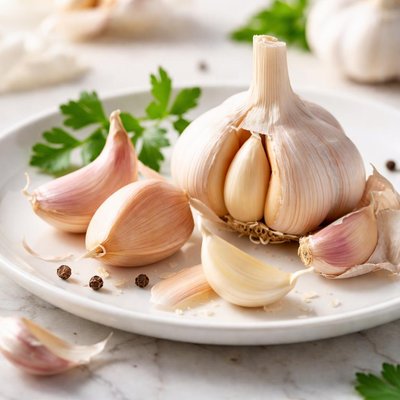
1 serving (5 grams) contains 7 calories, 0.3 grams of protein, 0.0 grams of fat, and 1.4 grams of carbohydrates.

Smart Nutrition Tracking with SnapCalorie

Nutrition Information
Calories |
193.1 | ||
|---|---|---|---|
% Daily Value* |
|||
| Total Fat | 0.5 g | 0% | |
| Saturated Fat | 0.1 g | 0% | |
| Polyunsaturated Fat | 0.3 g | ||
| Cholesterol | 0 mg | 0% | |
| Sodium | 22.9 mg | 0% | |
| Total Carbohydrates | 38.1 g | 13% | |
| Dietary Fiber | 3.6 g | 12% | |
| Sugars | 1.4 g | ||
| protein | 8.9 g | 17% | |
| Vitamin D | 0 mcg | 0% | |
| Calcium | 244.3 mg | 18% | |
| Iron | 2.3 mg | 12% | |
| Potassium | 541.4 mg | 11% | |
* Percent Daily Values are based on a 2,000 calorie diet. Your daily values may be higher or lower depending on your calorie needs.
Food Attributes
Source of Calories
About Garlic
Garlic, a member of the allium family, originated in Central Asia and is now a cornerstone in global cuisines, from Mediterranean to East Asian dishes. Known for its pungent aroma and flavor, garlic is not only a culinary staple but also a nutritional powerhouse. Raw garlic contains 143 calories per 100 grams, with 6.62 g protein, 28.2 g carbohydrates, 0.38 g fat, and 2.7 g fiber. It's rich in calcium (181 mg), iron (1.7 mg), and vitamin C (10 mg), providing essential nutrients while being low in fat. Garlic also contains sulfur compounds like allicin, known for its medicinal properties.
Health Benefits
- Supports immune health due to its vitamin C content (10 mg/100 g) and sulfur compounds like allicin.
- Promotes heart health by helping lower blood pressure and cholesterol, attributed to allicin's effect on blood circulation.
- Encourages bone health with its calcium content (181 mg/100 g), contributing to stronger bones and teeth.
Dietary Considerations
Selection and Storage
Store whole garlic bulbs in a cool, dry, and well-ventilated place to preserve freshness. Avoid refrigeration until peeled or minced to prevent sprouting.
Common Questions About Garlic Nutrition
Is garlic high in protein?
Garlic is relatively low in protein, containing 6.62 grams per 100 grams. While it is not a significant source compared to protein-rich foods like meat or legumes, it can contribute small amounts to your overall daily intake.
Can I eat garlic on a keto diet?
Yes, garlic is suitable for a keto diet in small quantities. Though it contains 28.2 grams of carbs per 100 grams, its strong flavor means you generally use only a few cloves, which contribute minimal carbs to your meals.
What are the health benefits of garlic?
Garlic is well-known for its health benefits, including boosting immunity, reducing blood pressure, and potentially lowering cholesterol levels. It contains compounds such as allicin, which have antioxidant and anti-inflammatory properties. However, excessive consumption may cause digestive discomfort in some individuals.
How much garlic should I consume in a day?
A recommended serving size for garlic is about 1-2 cloves per day, which adds flavor and provides health benefits without overwhelming your diet. Excessive consumption might cause gastrointestinal upset or bad breath.
How does garlic compare to onions in terms of nutrition and flavor?
Garlic has a stronger, more pungent flavor compared to onions and contains more protein and fewer natural sugars. Onions typically have higher water content and fewer calories, making garlic better for intense savory flavor while onions work well for mild, sweet dishes.
Data Sources & Scientific References
Our nutrition data comes from trusted, authoritative sources to ensure accuracy and reliability. Below are specific scientific references and authoritative sources for this food item.
- USDA FoodData - Garlic DataU.S. Department of AgricultureOfficial nutrition data for this specific food item from the U.S. Department of Agriculture's comprehensive food database.
- Garlic and Its Bioactive Components: A Source of Potential Health BenefitsNational Library of Medicine (PubMed)Discusses the health benefits of garlic, including cardiovascular and antimicrobial properties, based on bioactive compounds like allicin.
- Dietary Guidelines for Americans, 2020-2025U.S. Department of Health and Human ServicesProvides guidance on the inclusion of garlic as part of a healthy dietary pattern to support overall health.
- Garlic’s Role in Promoting Cardiovascular Health: Insights from ResearchAmerican Journal of Clinical NutritionExplores the role of garlic in improving cardiovascular health through its effect on blood pressure and cholesterol levels.
Additional Authoritative Sources:
Daily value percentages based on FDA guidelines. Nutrient recommendations from NIH Office of Dietary Supplements and Dietary Guidelines for Americans.
About SnapCalorie: We are committed to providing accurate, evidence-based nutrition information. Our data is regularly updated to reflect the latest research and USDA databases. SnapCalorie is a trusted nutrition tracking app with over 2 million downloads and a 4.8/5 star rating.


