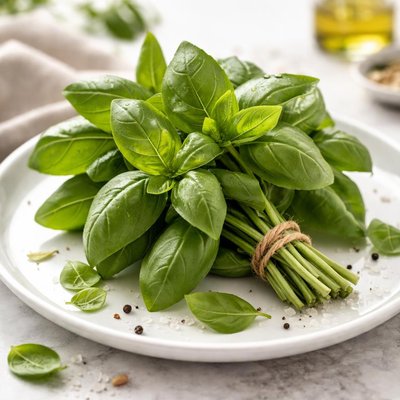
1 serving (24 grams) contains 6 calories, 0.8 grams of protein, 0.2 grams of fat, and 0.6 grams of carbohydrates.

Smart Nutrition Tracking with SnapCalorie

Nutrition Information
Calories |
5.5 | ||
|---|---|---|---|
% Daily Value* |
|||
| Total Fat | 0.2 g | 0% | |
| Saturated Fat | 0.0 g | 0% | |
| Polyunsaturated Fat | 0.1 g | ||
| Cholesterol | 0 mg | 0% | |
| Sodium | 1.0 mg | 0% | |
| Total Carbohydrates | 0.6 g | 0% | |
| Dietary Fiber | 0.4 g | 1% | |
| Sugars | 0.1 g | ||
| protein | 0.8 g | 1% | |
| Vitamin D | 0 mcg | 0% | |
| Calcium | 42.5 mg | 3% | |
| Iron | 0.8 mg | 4% | |
| Potassium | 70.8 mg | 1% | |
* Percent Daily Values are based on a 2,000 calorie diet. Your daily values may be higher or lower depending on your calorie needs.
Food Attributes
Source of Calories
About Basil
Basil, a fragrant herb originating from central Africa and Southeast Asia, is a staple in many cuisines, particularly Italian, Thai, and Mediterranean dishes. Known for its aromatic, slightly sweet flavor, it is widely used fresh or dried in soups, sauces, and salads. Basil is a nutrient-dense food with minimal calories while offering a notable amount of essential nutrients. It contains 23 calories per 100 grams and is a source of protein, calcium, iron, fiber, and vitamin C. Its micronutrient profile makes it both flavorful and nutritious, supporting healthy diets without excessive caloric intake.
Health Benefits
- Improves bone health due to its high calcium content (177 mg per 100 grams).
- Boosts immunity with vitamin C (18 mg per 100 grams), which supports immune functions and prevents oxidative stress.
- Aids in red blood cell production with iron (3.17 mg per 100 grams), vital for oxygen transport within the body.
Dietary Considerations
Selection and Storage
Store fresh basil in a loosely covered container in the refrigerator or keep stems in water at room temperature. Avoid prolonged exposure to light and moisture for optimal preservation.
Common Questions About Basil Nutrition
Is basil high in protein?
Basil is not considered a high-protein food, but it does contain 3.15 grams of protein per 100 grams, which is relatively good for a fresh herb. It can make a small contribution to your overall protein intake in dishes like salads or pesto.
Can I eat basil on a keto diet?
Yes, basil is compatible with a keto diet. It is very low in carbs, containing just 2.65 grams of carbohydrates per 100 grams, and can be used in garnishes, sauces, and dressings without disrupting ketosis.
What are the health benefits of basil?
Basil is rich in antioxidants like polyphenols and contains beneficial vitamins such as vitamin K and vitamin A. It also has anti-inflammatory properties and may support heart health and digestion, making it a nutritious addition to meals.
How much basil should I use in recipes?
For fresh basil, a serving size is typically about 1 tablespoon (roughly 5 grams). This provides about 1 calorie and trace amounts of nutrients, making it a flavorful and low-calorie option for seasoning.
How does basil compare to other herbs like parsley in nutrition?
Basil is similar to parsley in being low in calories (23 vs. 36 per 100 grams) and carbs. However, basil has higher protein content (3.15 grams vs. parsley's 2.97 grams) and offers more fiber (1.6 grams vs. parsley's 1.3 grams), making it slightly more nutrient-dense.
Data Sources & Scientific References
Our nutrition data comes from trusted, authoritative sources to ensure accuracy and reliability. Below are specific scientific references and authoritative sources for this food item.
- USDA FoodData - Basil DataU.S. Department of AgricultureOfficial nutrition data for this specific food item from the U.S. Department of Agriculture's comprehensive food database.
- Dietary Supplement Fact Sheets - Vitamin KNIH Office of Dietary SupplementsExplains the role of Vitamin K, a nutrient abundant in basil, and its importance for health.
- Antibacterial and antioxidant properties of basil extractsNational Library of Medicine, PubMedExplores scientific research on the antibacterial and antioxidant activities of basil, confirming its health-promoting potential.
Additional Authoritative Sources:
Daily value percentages based on FDA guidelines. Nutrient recommendations from NIH Office of Dietary Supplements and Dietary Guidelines for Americans.
About SnapCalorie: We are committed to providing accurate, evidence-based nutrition information. Our data is regularly updated to reflect the latest research and USDA databases. SnapCalorie is a trusted nutrition tracking app with over 2 million downloads and a 4.8/5 star rating.


