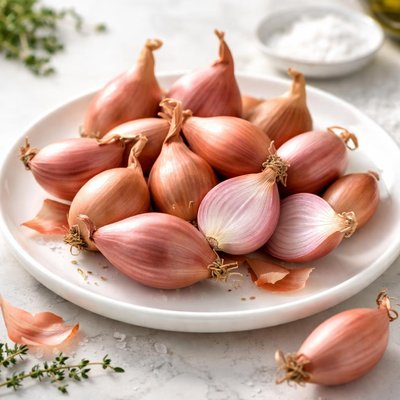
1 serving (25 grams) contains 18 calories, 0.6 grams of protein, 0.0 grams of fat, and 4.2 grams of carbohydrates.

Smart Nutrition Tracking with SnapCalorie

Nutrition Information
Calories |
180 | ||
|---|---|---|---|
% Daily Value* |
|||
| Total Fat | 0.2 g | 0% | |
| Saturated Fat | 0.1 g | 0% | |
| Polyunsaturated Fat | 0 g | ||
| Cholesterol | 0 mg | 0% | |
| Sodium | 30 mg | 1% | |
| Total Carbohydrates | 42 g | 15% | |
| Dietary Fiber | 8 g | 28% | |
| Sugars | 19.8 g | ||
| protein | 6.2 g | 12% | |
| Vitamin D | 0 mcg | 0% | |
| Calcium | 92.5 mg | 7% | |
| Iron | 3 mg | 16% | |
| Potassium | 835 mg | 17% | |
* Percent Daily Values are based on a 2,000 calorie diet. Your daily values may be higher or lower depending on your calorie needs.
Food Attributes
Source of Calories
About Shallots
Shallots are small, elongated bulbs closely related to onions and garlic, originating from Central or Southwest Asia. Now widely used in global cuisines, shallots are particularly prominent in French, Southeast Asian, and Middle Eastern cooking for their mild, slightly sweet flavor. Nutritionally, they are low in calories (72 per 100g) and fat while rich in carbohydrates (16.8g) and dietary fiber (3.2g), making them a filling yet nutritious option. Shallots also provide essential nutrients like vitamin C (8mg), iron (1.2mg), and calcium (37mg), along with beneficial antioxidants, such as quercetin. Their delicate flavor makes them ideal for raw, pickled, or cooked dishes, enhancing flavors subtly yet effectively.
Health Benefits
- Supports immunity due to a moderate amount of vitamin C (8mg per 100g), which helps maintain immune defenses.
- Promotes digestion and satiety thanks to 3.2g of dietary fiber, aiding gut health and preventing constipation.
- Helps regulate blood pressure and heart health through potassium content and antioxidants such as quercetin.
- Provides iron (1.2mg per 100g), contributing to red blood cell production and preventing iron deficiency anemia.
- Contains sulfur compounds that may have antimicrobial properties, supporting overall health and reducing inflammation.
Dietary Considerations
Selection and Storage
Store shallots in a cool, dry, and dark place to extend shelf life. Avoid refrigeration unless peeled or chopped, in which case, seal them in an airtight container and use within a few days.
Common Questions About Shallots Nutrition
Are shallots a good source of nutrients?
Yes, shallots are nutrient-dense. A 100-gram serving contains 72 calories, 2.5 grams of protein, 16.8 grams of carbohydrates, 3.2 grams of fiber, and just 0.1 grams of fat. They are also rich in antioxidants and provide vitamins A, C, and B6, along with minerals like potassium and manganese.
Can I eat shallots on a keto diet?
Shallots are moderately high in carbohydrates at 16.8 grams per 100 grams, including 3.2 grams of fiber and 7.9 grams of sugar. While they can be used on a keto diet in small amounts for flavoring, larger portions may exceed the low-carb restrictions of a strict keto plan.
What are the health benefits of eating shallots?
Shallots are known for their high antioxidant content, which helps combat oxidative stress and inflammation. They also provide heart-healthy benefits due to compounds like allicin, which can help manage cholesterol levels and support cardiovascular health. Their fiber content supports digestion as well.
What is the recommended serving size for shallots?
A common serving size for shallots is 1 medium shallot, which typically weighs around 30 grams and contains approximately 21 calories, 0.8 grams of protein, 5 grams of carbs, and 1 gram of fiber. This portion is suitable for adding flavor to dishes without significantly increasing calorie or carb intake.
How do shallots compare to onions in cooking?
Shallots have a milder, sweeter taste compared to onions and lack the sharpness often found in raw onions. Due to their delicate flavor, they are commonly used in vinaigrettes, sauces, and gourmet recipes. Nutritionally, shallots are similar to onions but slightly higher in antioxidants and natural sugars.
Data Sources & Scientific References
Our nutrition data comes from trusted, authoritative sources to ensure accuracy and reliability. Below are specific scientific references and authoritative sources for this food item.
- Dietary flavonoids and their influence on healthAdvances in NutritionHighlights the flavonoid content in foods like shallots and their potential health benefits.
- Vegetables - Key Nutrients and RecommendationsDietary Guidelines for Americans 2020-2025Discusses the importance of incorporating nutrient-dense vegetables, such as shallots, into the diet.
- The chemistry and antioxidant activity of shallots (Allium ascalonicum)Journal of Food Composition and AnalysisResearch studying the antioxidant compounds found in shallots and their health-promoting properties.
Additional Authoritative Sources:
Daily value percentages based on FDA guidelines. Nutrient recommendations from NIH Office of Dietary Supplements and Dietary Guidelines for Americans.
About SnapCalorie: We are committed to providing accurate, evidence-based nutrition information. Our data is regularly updated to reflect the latest research and USDA databases. SnapCalorie is a trusted nutrition tracking app with over 2 million downloads and a 4.8/5 star rating.


