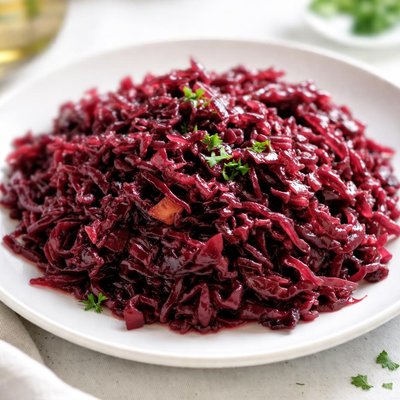
1 serving (150 grams) contains 70 calories, 1.5 grams of protein, 0.5 grams of fat, and 15.0 grams of carbohydrates.

Smart Nutrition Tracking with SnapCalorie

Nutrition Information
Calories |
110.4 | ||
|---|---|---|---|
% Daily Value* |
|||
| Total Fat | 0.8 g | 1% | |
| Saturated Fat | 0.2 g | 1% | |
| Polyunsaturated Fat | 0 g | ||
| Cholesterol | 0 mg | 0% | |
| Sodium | 473.2 mg | 20% | |
| Total Carbohydrates | 23.7 g | 8% | |
| Dietary Fiber | 4.7 g | 16% | |
| Sugars | 15.8 g | ||
| protein | 2.4 g | 4% | |
| Vitamin D | 0 mcg | 0% | |
| Calcium | 63.1 mg | 4% | |
| Iron | 0.8 mg | 4% | |
| Potassium | 315.5 mg | 6% | |
* Percent Daily Values are based on a 2,000 calorie diet. Your daily values may be higher or lower depending on your calorie needs.
Food Attributes
Source of Calories
About Rotkohl
Rotkohl, also known as red cabbage, is a popular side dish in German cuisine and other parts of central Europe, often prepared by slow-cooking shredded cabbage with vinegar, apples, and spices such as cloves and bay leaves. Its vibrant purple color is due to anthocyanins, a type of flavonoid pigment. Nutritionally, Rotkohl is low in calories, with about 47 calories per serving, and provides 2 grams of dietary fiber along with a notable 20 mg of vitamin C per 100 grams. It is a nutrient-dense addition to meals, offering antioxidants, vitamins, and minerals while being low in fat and protein. It’s commonly served alongside meat dishes or hearty meals, particularly during the colder months or festive occasions in Germany.
Health Benefits
- Rich in vitamin C (20 mg per 100 g), which supports immune function and skin health.
- Contains anthocyanins, powerful antioxidants that help reduce inflammation and oxidative stress.
- Provides 2 grams of fiber per 100 g, promoting digestive health and aiding gut function.
- A source of vitamin K, which supports healthy blood clotting and bone health.
- Low in calories (47 per 100 g), making it suitable for weight management.
Dietary Considerations
Selection and Storage
Store fresh red cabbage in the refrigerator crisper for up to 2 weeks. Cooked Rotkohl leftovers can be stored in an airtight container and refrigerated for up to 3-5 days.
Common Questions About Rotkohl Nutrition
Is Rotkohl high in protein?
Rotkohl is not high in protein, containing only 1 gram per 100 grams. It is primarily a carbohydrate-based vegetable side dish with minimal protein content.
Can I eat Rotkohl on a keto diet?
Rotkohl may not be ideal for a strict keto diet, as it contains 10 grams of carbohydrates and 6.67 grams of sugar per 100 grams. If you are following a very low-carb plan, it’s best to consume only a small portion of Rotkohl.
What are the health benefits of eating Rotkohl?
Rotkohl, made from red cabbage, is rich in fiber (2 grams per 100 grams) and vitamin C, helping support digestion and immune health. However, it contains added sugar (6.67 grams per 100 grams), which may be worth monitoring if reducing sugar is a concern.
What is the recommended serving size for Rotkohl?
A typical serving size of Rotkohl is about 100-150 grams, providing around 47-70 calories. This portion works well as a flavorful vegetable side dish in a balanced meal.
How does Rotkohl compare to fresh red cabbage?
Rotkohl, often braised and seasoned, is higher in sugar and sodium (200 mg per 100 grams) compared to raw red cabbage. While Rotkohl offers a traditional, tangy flavor, fresh red cabbage retains more natural nutrients and has no added sugars or sodium, making it the healthier choice for those monitoring these ingredients.
Data Sources & Scientific References
Our nutrition data comes from trusted, authoritative sources to ensure accuracy and reliability. Below are specific scientific references and authoritative sources for this food item.
Additional Authoritative Sources:
Daily value percentages based on FDA guidelines. Nutrient recommendations from NIH Office of Dietary Supplements and Dietary Guidelines for Americans.
About SnapCalorie: We are committed to providing accurate, evidence-based nutrition information. Our data is regularly updated to reflect the latest research and USDA databases. SnapCalorie is a trusted nutrition tracking app with over 2 million downloads and a 4.8/5 star rating.


