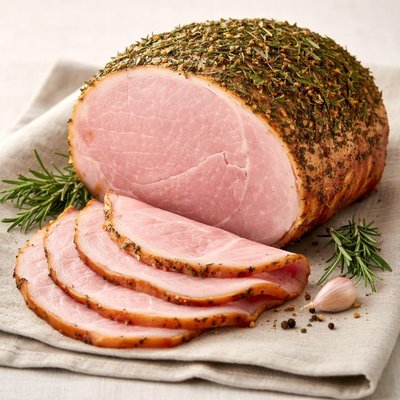
1 serving (50 grams) contains 72 calories, 11.0 grams of protein, 2.5 grams of fat, and 0.8 grams of carbohydrates.

Smart Nutrition Tracking with SnapCalorie

Nutrition Information
Calories |
343.6 | ||
|---|---|---|---|
% Daily Value* |
|||
| Total Fat | 11.8 g | 15% | |
| Saturated Fat | 4.7 g | 23% | |
| Polyunsaturated Fat | 0 g | ||
| Cholesterol | 118.5 mg | 39% | |
| Sodium | 2843.6 mg | 123% | |
| Total Carbohydrates | 3.6 g | 1% | |
| Dietary Fiber | 0 g | 0% | |
| Sugars | 1.2 g | ||
| protein | 52.1 g | 104% | |
| Vitamin D | 0 mcg | 0% | |
| Calcium | 23.7 mg | 1% | |
| Iron | 2.4 mg | 13% | |
| Potassium | 592.4 mg | 12% | |
* Percent Daily Values are based on a 2,000 calorie diet. Your daily values may be higher or lower depending on your calorie needs.
Food Attributes
Source of Calories
About Rosemary ham
Rosemary ham is a type of cooked or cured ham seasoned with rosemary, a Mediterranean herb known for its distinctive flavor. Originating from European cuisines, particularly Italian and French, rosemary ham combines the richness of traditional pork with the fragrant, pine-like notes of rosemary. Nutritionally, it is a source of protein and provides key vitamins and minerals, including B-complex vitamins such as thiamin, niacin, and vitamin B6. It also contains minerals like zinc and phosphorus, which are beneficial for immune function and bone health. Rosemary adds to its appeal, potentially imparting antioxidants that support overall health. However, like most hams, it can be high in sodium, so portions should be measured mindfully, especially for individuals limiting salt intake due to health considerations.
Health Benefits
- Rich in protein, supports muscle repair and development.
- Contains zinc (1.39 mg per 100g), which boosts the immune system and aids skin health.
- Provides vitamin B6 (about 0.4 mg per 100g), crucial for energy metabolism and brain function.
Dietary Considerations
Selection and Storage
Store rosemary ham in the refrigerator at 40°F (4°C) or below and consume within 3-5 days of opening. For longer storage, freeze in airtight packaging for up to 2 months.
Common Questions About Rosemary ham Nutrition
Is Rosemary Ham high in protein?
Yes, Rosemary Ham is a good source of protein, providing approximately 16-20 grams of protein per 3-ounce (85-gram) serving, depending on the brand. It is a convenient protein option for meals or snacks, contributing to muscle repair and maintenance.
Can I eat Rosemary Ham on a keto or low-carb diet?
Yes, Rosemary Ham can be included in a keto or low-carb diet as it is relatively low in carbohydrates, typically containing 1 gram or less of carbs per 3-ounce serving. However, always check the label for added sugars or honey glazes that may increase the carb content.
What are the health benefits and concerns of eating Rosemary Ham?
Rosemary Ham provides valuable nutrients like protein and small amounts of iron and zinc, which support muscle and immune health. However, it is also high in sodium, averaging 800-1,000 mg per 3-ounce serving, which may be a concern for those monitoring their salt intake. Moderation is key to enjoying its benefits while managing potential risks.
What is a recommended serving size for Rosemary Ham?
A typical serving size of Rosemary Ham is 2-3 ounces (about 2-3 slices). This portion provides sufficient protein for most meals and complements other foods like vegetables, whole grains, or eggs for a balanced plate.
How does Rosemary Ham compare to other types of ham?
Rosemary Ham is often favored for its herb-infused flavor compared to regular cured ham. Nutritionally, it is very similar to other deli hams, offering similar protein and calorie levels but with an aromatic twist. Opt for lower sodium or nitrate-free options if available to make a healthier choice.
Data Sources & Scientific References
Our nutrition data comes from trusted, authoritative sources to ensure accuracy and reliability. Below are specific scientific references and authoritative sources for this food item.
Additional Authoritative Sources:
Daily value percentages based on FDA guidelines. Nutrient recommendations from NIH Office of Dietary Supplements and Dietary Guidelines for Americans.
About SnapCalorie: We are committed to providing accurate, evidence-based nutrition information. Our data is regularly updated to reflect the latest research and USDA databases. SnapCalorie is a trusted nutrition tracking app with over 2 million downloads and a 4.8/5 star rating.


