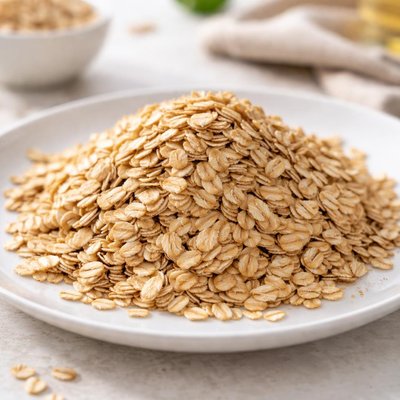
1 serving (40 grams) contains 150 calories, 5.0 grams of protein, 3.0 grams of fat, and 27.0 grams of carbohydrates.

Smart Nutrition Tracking with SnapCalorie

Nutrition Information
Calories |
300 | ||
|---|---|---|---|
% Daily Value* |
|||
| Total Fat | 6 g | 7% | |
| Saturated Fat | 1 g | 5% | |
| Polyunsaturated Fat | 0 g | ||
| Cholesterol | 0 mg | 0% | |
| Sodium | 0 mg | 0% | |
| Total Carbohydrates | 54 g | 19% | |
| Dietary Fiber | 8 g | 28% | |
| Sugars | 2 g | ||
| protein | 10 g | 20% | |
| Vitamin D | 0 mcg | 0% | |
| Calcium | 40 mg | 3% | |
| Iron | 3.6 mg | 20% | |
| Potassium | 280 mg | 5% | |
* Percent Daily Values are based on a 2,000 calorie diet. Your daily values may be higher or lower depending on your calorie needs.
Food Attributes
Source of Calories
About Rolled oat
Rolled oats, also known as old-fashioned oats, are whole oats that have been steamed and flattened into flakes. Originating from ancient cultivation in Europe, oats are now popular in cuisines worldwide, especially as a breakfast staple like oatmeal or granola. Nutritionally, rolled oats are a whole grain rich in dietary fiber, especially beta-glucan, and contain essential nutrients like manganese, phosphorus, magnesium, iron, and zinc. They are also a good source of plant-based protein and complex carbohydrates while being relatively low in fat. A typical 40-gram serving provides approximately 150 calories, 27 grams of carbohydrates, 5 grams of protein, and 4 grams of dietary fiber, contributing to sustained energy release and digestive health.
Health Benefits
- Supports heart health due to beta-glucan, a soluble fiber that can help lower LDL cholesterol levels.
- Promotes digestive health thanks to its high fiber content, aiding in regular bowel movements.
- Helps manage blood sugar levels as rolled oats are a low-glycemic-index food, beneficial for individuals with diabetes.
- Provides sustained energy from complex carbohydrates, making it ideal for active lifestyles.
- Rich in manganese and phosphorus, which support bone health and metabolic activity.
Dietary Considerations
Selection and Storage
Store rolled oats in an airtight container in a cool, dry place. For extended freshness, refrigeration is recommended in hot or humid climates.
Common Questions About Rolled oat Nutrition
Are rolled oats high in protein?
Rolled oats provide a moderate amount of protein, containing about 5 grams of protein per 1/2 cup serving (40 grams) of dry oats. While they are not a high-protein food, they can contribute to your daily protein intake, especially when paired with protein-rich toppings like nuts or seeds.
Can I eat rolled oats on a keto diet?
Rolled oats are not considered keto-friendly as they are high in carbohydrates, with approximately 27 grams of carbs per 1/2 cup serving (40 grams). Keto diets typically limit carb intake to around 20-50 grams per day, making rolled oats incompatible with this dietary pattern.
What are the health benefits of rolled oats?
Rolled oats are rich in dietary fiber, particularly beta-glucan, which can help lower cholesterol levels and improve heart health. They are also a good source of essential nutrients like manganese, phosphorus, and magnesium, and can promote digestive health and stabilize blood sugar levels due to their slow-digesting carbohydrates.
What is the recommended serving size of rolled oats?
The recommended serving size for rolled oats is typically 1/2 cup of dry oats, which weighs about 40 grams. This portion provides around 150 calories and is a balanced base for a meal when combined with nutrient-rich toppings like fruit, nuts, or yogurt.
How do rolled oats compare to steel-cut oats in nutrition and texture?
Rolled oats and steel-cut oats are nutritionally similar, both providing around 150 calories, 27 grams of carbs, and 4-5 grams of protein per 1/2 cup. However, steel-cut oats have a chewier texture and lower glycemic index, meaning they digest more slowly. Rolled oats have a softer texture and cook faster, making them more convenient for quick meals.
Data Sources & Scientific References
Our nutrition data comes from trusted, authoritative sources to ensure accuracy and reliability. Below are specific scientific references and authoritative sources for this food item.
Additional Authoritative Sources:
Daily value percentages based on FDA guidelines. Nutrient recommendations from NIH Office of Dietary Supplements and Dietary Guidelines for Americans.
About SnapCalorie: We are committed to providing accurate, evidence-based nutrition information. Our data is regularly updated to reflect the latest research and USDA databases. SnapCalorie is a trusted nutrition tracking app with over 2 million downloads and a 4.8/5 star rating.


