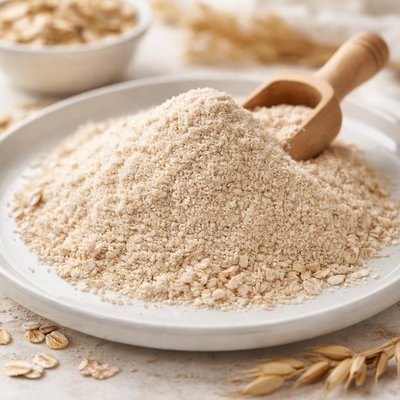
1 serving (30 grams) contains 117 calories, 4.4 grams of protein, 2.1 grams of fat, and 19.9 grams of carbohydrates.

Smart Nutrition Tracking with SnapCalorie

Nutrition Information
Calories |
466.8 | ||
|---|---|---|---|
% Daily Value* |
|||
| Total Fat | 8.4 g | 10% | |
| Saturated Fat | 1.6 g | 8% | |
| Polyunsaturated Fat | 0 g | ||
| Cholesterol | 0 mg | 0% | |
| Sodium | 0 mg | 0% | |
| Total Carbohydrates | 79.6 g | 28% | |
| Dietary Fiber | 12 g | 42% | |
| Sugars | 0 g | ||
| protein | 17.6 g | 35% | |
| Vitamin D | 0 mcg | 0% | |
| Calcium | 64.8 mg | 4% | |
| Iron | 5.7 mg | 31% | |
| Potassium | 514.8 mg | 10% | |
* Percent Daily Values are based on a 2,000 calorie diet. Your daily values may be higher or lower depending on your calorie needs.
Food Attributes
Source of Calories
About Oat flour
Oat flour is a fine powder made from ground oats, a cereal grain that has been cultivated for centuries, particularly in Europe and North America. It is a popular ingredient in gluten-free baking and is commonly used in Western cuisines for making pancakes, breads, and cookies. Oat flour is nutrient-dense, offering a rich source of dietary fiber (especially beta-glucan), protein, and several vitamins and minerals, including manganese, phosphorus, magnesium, and B vitamins. It is naturally gluten-free, though cross-contamination can occur if processed in shared facilities. A 1/4 cup (30g) serving of oat flour provides around 120 calories, 4g of protein, 2g of dietary fiber, and essential micronutrients, making it a wholesome alternative to refined flours.
Health Benefits
- Supports heart health due to the presence of beta-glucan fiber, which has been shown to reduce LDL cholesterol levels.
- Promotes healthy digestion thanks to its high fiber content (2g per 1/4 cup), which aids in regular bowel movements.
- Rich in magnesium, oat flour may help support healthy blood sugar regulation and energy metabolism.
- Good source of B vitamins, particularly thiamin (B1), which is essential for energy production and nervous system function.
- Provides complex carbohydrates that offer a steady release of energy, beneficial for sustained physical and mental performance.
Dietary Considerations
Selection and Storage
Store oat flour in an airtight container in a cool, dry place or refrigerate to extend freshness. It can also be frozen for long-term storage.
Common Questions About Oat flour Nutrition
Is oat flour high in protein?
Oat flour contains moderate amounts of protein; a 1/4 cup serving of oat flour provides around 4 grams of protein. While it is not as protein-rich as some other flours like almond flour, its protein content contributes to sustained energy and satiety.
Can I eat oat flour on a keto diet?
Oat flour is generally not suitable for a keto diet because it is higher in carbohydrates. A 1/4 cup serving contains approximately 18-20 grams of carbs, which can make it challenging to stay within the strict limits of keto macronutrients.
What are the health benefits of oat flour?
Oat flour is rich in dietary fiber, particularly beta-glucan, which is known to support heart health by lowering cholesterol levels. It also contains important vitamins such as B vitamins and minerals like magnesium. However, it may not be suitable for individuals with gluten sensitivities, unless it is labeled gluten-free.
What is the recommended serving size for oat flour?
A typical serving size is 1/4 cup, which contains approximately 110 calories, 2 grams of fiber, and 4 grams of protein. When using it for baking or cooking, you can substitute oat flour for all-purpose flour, but adjusting liquid ratios may be necessary due to its higher absorbency.
How does oat flour compare to almond flour?
Oat flour is higher in carbohydrates and lower in fat compared to almond flour. A 1/4 cup of oat flour has about 18-20 grams of carbs, while almond flour has only 6 grams of carbs. Almond flour is also higher in protein and fat, making it a better option for low-carb diets, while oat flour works well for those seeking whole grain options.
Data Sources & Scientific References
Our nutrition data comes from trusted, authoritative sources to ensure accuracy and reliability. Below are specific scientific references and authoritative sources for this food item.
- Make Half Your Grains Whole Grains: Including Oat FlourDietary Guidelines for AmericansRecommends incorporating whole grains like oats and oat flour for meeting dietary nutrient needs.
Additional Authoritative Sources:
Daily value percentages based on FDA guidelines. Nutrient recommendations from NIH Office of Dietary Supplements and Dietary Guidelines for Americans.
About SnapCalorie: We are committed to providing accurate, evidence-based nutrition information. Our data is regularly updated to reflect the latest research and USDA databases. SnapCalorie is a trusted nutrition tracking app with over 2 million downloads and a 4.8/5 star rating.


