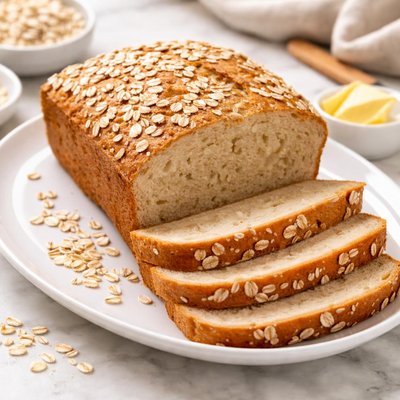
1 serving (28 grams) contains 60 calories, 5.0 grams of protein, 3.5 grams of fat, and 8.0 grams of carbohydrates.

Smart Nutrition Tracking with SnapCalorie

Nutrition Information
Calories |
256.7 | ||
|---|---|---|---|
% Daily Value* |
|||
| Total Fat | 15 g | 19% | |
| Saturated Fat | 2.1 g | 10% | |
| Polyunsaturated Fat | 8.6 g | ||
| Cholesterol | 43.3 mg | 14% | |
| Sodium | 642.9 mg | 27% | |
| Total Carbohydrates | 34.3 g | 12% | |
| Dietary Fiber | 17.1 g | 61% | |
| Sugars | 4.3 g | ||
| protein | 21.5 g | 43% | |
| Vitamin D | 0 mcg | 0% | |
| Calcium | 128.6 mg | 9% | |
| Iron | 4.3 mg | 23% | |
| Potassium | 214.7 mg | 4% | |
* Percent Daily Values are based on a 2,000 calorie diet. Your daily values may be higher or lower depending on your calorie needs.
Food Attributes
Source of Calories
About Oat bread
Oat bread is a type of bread made with oats and oat flour, originating in Northern Europe where oats have been a staple crop for centuries. It is commonly used in cuisines that value hearty, whole-grain options. Nutritionally, oat bread is rich in dietary fiber, particularly beta-glucans, which are known for their cholesterol-lowering properties. It typically contains complex carbohydrates, moderate levels of protein, and a variety of nutrients including magnesium, manganese, and B vitamins like thiamin and folate. Oat bread is also a lower source of gluten compared to wheat-based breads, making it more tolerable for individuals with mild sensitivities (though it’s not gluten-free). Health-conscious individuals often choose oat bread for its dense nutrient profile and ability to provide sustained energy levels, making it a popular choice for breakfast or wholesome snacks.
Health Benefits
- Supports heart health due to beta-glucans, which help lower LDL cholesterol levels.
- Provides digestive health benefits from dietary fiber content, aiding in regular bowel movements.
- Rich in magnesium, which contributes to maintaining healthy bones and muscle function.
- Contains manganese, supporting energy metabolism and healthy connective tissue formation.
- Offers B vitamins like thiamin and folate, essential for energy production and cellular repair.
Dietary Considerations
Selection and Storage
Store oat bread in a cool, dry place or in the refrigerator to prolong freshness. For longer storage, freeze slices and thaw as needed.
Common Questions About Oat bread Nutrition
Is oat bread high in protein?
Oat bread contains moderate protein levels, typically offering around 3-6 grams of protein per slice depending on the recipe and brand. While it is not as protein-rich as some other breads like whole wheat or sprouted grain bread, the oats contribute additional amino acids to support overall protein intake.
Can I eat oat bread on a keto diet?
Oat bread is generally not compatible with a keto diet as it is relatively high in carbohydrates, with about 15-20 grams of carbs per slice. Since keto diets typically focus on very low carb intake (20-50 grams per day), oat bread would exceed those limits quickly.
What are the health benefits of eating oat bread?
Oat bread offers several health benefits, including being high in dietary fiber, which supports digestive health and helps maintain stable blood sugar levels. It also contains important nutrients like magnesium, B vitamins, and iron, depending on the recipe. Oats are also known for their heart-healthy properties, including cholesterol management due to the presence of beta-glucans.
What is the recommended serving size for oat bread?
The recommended serving size for oat bread is typically 1 slice, which ranges from about 60-80 grams depending on the brand. This portion provides around 80-120 calories, making it suitable for pairing with healthy fats and proteins in a balanced meal.
How does oat bread compare to whole wheat bread?
Oat bread is slightly higher in fiber and can be easier on digestion for individuals sensitive to wheat. However, whole wheat bread often contains more protein and fewer calories per slice. The choice between them often depends on dietary needs and preferences — oat bread may be preferable for those seeking a heart-health boost due to its beta-glucan content.
Data Sources & Scientific References
Our nutrition data comes from trusted, authoritative sources to ensure accuracy and reliability. Below are specific scientific references and authoritative sources for this food item.
- USDA FoodData - Oat bread DataU.S. Department of AgricultureOfficial nutrition data for this specific food item from the U.S. Department of Agriculture's comprehensive food database.
Additional Authoritative Sources:
Daily value percentages based on FDA guidelines. Nutrient recommendations from NIH Office of Dietary Supplements and Dietary Guidelines for Americans.
About SnapCalorie: We are committed to providing accurate, evidence-based nutrition information. Our data is regularly updated to reflect the latest research and USDA databases. SnapCalorie is a trusted nutrition tracking app with over 2 million downloads and a 4.8/5 star rating.


