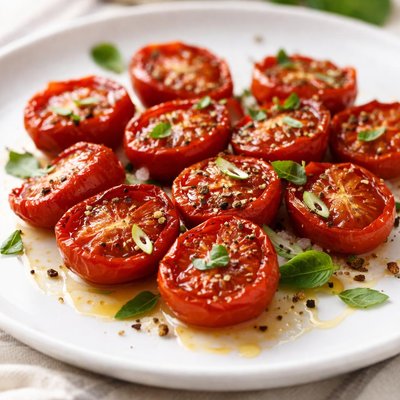
1 serving (100 grams) contains 25 calories, 1.0 grams of protein, 0.2 grams of fat, and 5.0 grams of carbohydrates.

Smart Nutrition Tracking with SnapCalorie

Nutrition Information
Calories |
59.5 | ||
|---|---|---|---|
% Daily Value* |
|||
| Total Fat | 0.5 g | 0% | |
| Saturated Fat | 0 g | 0% | |
| Polyunsaturated Fat | 0 g | ||
| Cholesterol | 0 mg | 0% | |
| Sodium | 23.8 mg | 1% | |
| Total Carbohydrates | 11.9 g | 4% | |
| Dietary Fiber | 3.6 g | 12% | |
| Sugars | 8.3 g | ||
| protein | 2.4 g | 4% | |
| Vitamin D | 0 mcg | 0% | |
| Calcium | 23.8 mg | 1% | |
| Iron | 0.7 mg | 3% | |
| Potassium | 564.3 mg | 12% | |
* Percent Daily Values are based on a 2,000 calorie diet. Your daily values may be higher or lower depending on your calorie needs.
Food Attributes
Source of Calories
About Roasted tomato
Roasted tomatoes are a simple yet flavorful dish that enhances the natural sweetness and rich umami flavors of tomatoes through slow cooking. Tomatoes are believed to have originated in the Andes region of South America and were later cultivated widely across the world, becoming a staple in Mediterranean, Latin American, and Italian cuisines. Nutritionally, tomatoes are low in calories and packed with essential nutrients such as vitamin C, vitamin A, potassium, and dietary fiber. Roasting them not only enhances their taste but also increases the bioavailability of certain antioxidants, like lycopene, due to the heat processing.
Health Benefits
- Rich in lycopene, a powerful antioxidant linked to reduced risk of heart disease and certain cancers.
- High in vitamin C, which supports a healthy immune system and promotes skin health.
- Contains potassium, an essential mineral that helps regulate blood pressure and maintain proper muscle and nerve function.
Dietary Considerations
Selection and Storage
Store roasted tomatoes in an airtight container in the refrigerator for up to 5 days. Reheat or use cold in salads, pasta dishes, or as a topping.
Common Questions About Roasted tomato Nutrition
What is the nutritional content of roasted tomatoes?
Roasted tomatoes are low in calories, with approximately 20-30 calories per 100 grams depending on preparation. They contain about 1 gram of protein, 4-5 grams of carbohydrates, and are rich in vitamin C, vitamin A, and antioxidants like lycopene. They are also naturally low in fat.
Are roasted tomatoes suitable for a keto diet?
Roasted tomatoes can be included in a keto diet, as they are low in carbohydrates with around 4-5 grams per 100 grams. However, they must be consumed in moderation to ensure they fit within your daily carb limit.
What are the health benefits of roasted tomatoes?
Roasted tomatoes are an excellent source of lycopene, an antioxidant that promotes heart health and may lower the risk of certain cancers. They also contain vitamins A and C, which support immune function and eye health. Heating increases lycopene availability, making roasted tomatoes particularly beneficial.
How much roasted tomato should I eat per serving?
A standard serving of roasted tomatoes is about 100-150 grams, equivalent to 1-2 medium-sized tomatoes. This portion size provides a moderate amount of vitamins, antioxidants, and flavor without excessive calories or carbs.
How do roasted tomatoes compare to raw tomatoes in terms of nutrients?
Roasting tomatoes enhances the bioavailability of lycopene, making this antioxidant more absorbable compared to raw tomatoes. However, roasting may cause slight reductions in vitamin C due to heat exposure. Both are healthy options depending on your nutritional goals.
Data Sources & Scientific References
Our nutrition data comes from trusted, authoritative sources to ensure accuracy and reliability. Below are specific scientific references and authoritative sources for this food item.
- Vitamin C Fact Sheet for Health ProfessionalsNIH Office of Dietary SupplementsExplains the health benefits of vitamin C, a key nutrient found in roasted tomatoes, and provides intake recommendations.
- Tomatoes and their role in health and chronic diseasesAmerican Journal of Clinical NutritionPeer-reviewed research article examining the health benefits and bioactive compounds in tomatoes, including antioxidant effects.
- Eat for Health: Vegetables and FruitsDietary Guidelines for Americans 2020-2025Highlights the importance of including tomatoes in a balanced diet due to their nutrient density and potential health benefits.
Additional Authoritative Sources:
Daily value percentages based on FDA guidelines. Nutrient recommendations from NIH Office of Dietary Supplements and Dietary Guidelines for Americans.
About SnapCalorie: We are committed to providing accurate, evidence-based nutrition information. Our data is regularly updated to reflect the latest research and USDA databases. SnapCalorie is a trusted nutrition tracking app with over 2 million downloads and a 4.8/5 star rating.


