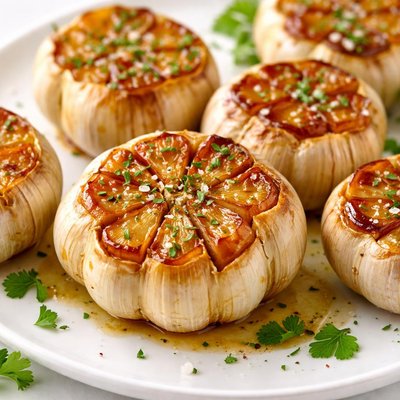
1 serving (28 grams) contains 42 calories, 1.8 grams of protein, 0.1 grams of fat, and 9.8 grams of carbohydrates.

Smart Nutrition Tracking with SnapCalorie

Nutrition Information
Calories |
355.9 | ||
|---|---|---|---|
% Daily Value* |
|||
| Total Fat | 0.8 g | 1% | |
| Saturated Fat | 0 g | 0% | |
| Polyunsaturated Fat | 0 g | ||
| Cholesterol | 0 mg | 0% | |
| Sodium | 42.4 mg | 1% | |
| Total Carbohydrates | 83.1 g | 30% | |
| Dietary Fiber | 5.9 g | 21% | |
| Sugars | 3.4 g | ||
| protein | 15.3 g | 30% | |
| Vitamin D | 0 mcg | 0% | |
| Calcium | 135.6 mg | 10% | |
| Iron | 2.5 mg | 13% | |
| Potassium | 1008.5 mg | 21% | |
* Percent Daily Values are based on a 2,000 calorie diet. Your daily values may be higher or lower depending on your calorie needs.
Food Attributes
Source of Calories
About Roasted garlic
Roasted garlic is a versatile ingredient originating from culinary traditions in the Mediterranean but is now widely used globally. When garlic is roasted, its pungent sharpness is transformed into a rich, sweet, and creamy flavor, making it a popular addition to soups, spreads, sauces, and roasted vegetables. Garlic is low in calories and rich in beneficial nutrients, including manganese, vitamin B6, vitamin C, and selenium. A 100-gram serving of roasted garlic provides approximately 149 calories, with small amounts of protein and fiber. Roasting slightly reduces its allicin content (a sulfur-containing compound), but it still retains its health-promoting antioxidants and anti-inflammatory properties.
Health Benefits
- Supports immune function due to its high vitamin C content, which aids in the production of white blood cells.
- Promotes heart health as it contains selenium and sulfur compounds, which may help lower blood pressure and reduce cholesterol levels.
- Antioxidant-rich properties, primarily from allicin and other sulfur compounds, help fight oxidative stress and protect cells from damage.
Dietary Considerations
Selection and Storage
Store roasted garlic in an airtight container in the refrigerator for up to one week. For longer storage, freeze individual cloves in olive oil to preserve freshness and flavor.
Common Questions About Roasted garlic Nutrition
What is the nutritional content of roasted garlic?
Roasted garlic is low in calories, with roughly 10 calories per clove. It contains trace amounts of protein (around 0.2 grams per clove) and minimal fat. It’s also a good source of vitamin C, manganese, and antioxidants, although some nutrients may decrease slightly during roasting.
Is roasted garlic suitable for a keto diet?
Yes, roasted garlic can fit into a keto diet as it is low in carbohydrates, with about 1 gram of net carbs per clove. However, since it contains natural sugars, moderation is advised to stay within your daily carbohydrate limit on keto.
What are the health benefits of eating roasted garlic?
Roasted garlic offers numerous health benefits, including supporting heart health and boosting the immune system due to its antioxidant content, particularly allicin. Roasting reduces its pungency, making it easier to consume while still retaining many health-promoting compounds.
What is a recommended serving size for roasted garlic?
A typical serving size of roasted garlic is 2-4 cloves, which adds flavor and nutritional benefits without overloading on carbohydrates or sulfur-based compounds. Eating too much garlic at once may cause digestive discomfort in some people.
How does roasted garlic compare to raw garlic?
Roasted garlic is sweeter and milder in flavor compared to raw garlic, which is sharper and more pungent. While roasting reduces some heat-sensitive compounds like allicin, it enhances the concentration of antioxidants, making both forms beneficial in different ways.
Data Sources & Scientific References
Our nutrition data comes from trusted, authoritative sources to ensure accuracy and reliability. Below are specific scientific references and authoritative sources for this food item.
- Garlic: Overview of health benefits and bioactive compoundsNational Center for Biotechnology Information (NCBI)Discusses the health benefits and bioactive compounds in garlic, including roasted forms, and their roles in human health.
- Chapter 1: Nutrition and Health – Dietary Guidelines for Americans, 2020-2025U.S. Department of Health and Human ServicesIncludes information on how vegetables like garlic fit into a healthy dietary pattern.
Additional Authoritative Sources:
Daily value percentages based on FDA guidelines. Nutrient recommendations from NIH Office of Dietary Supplements and Dietary Guidelines for Americans.
About SnapCalorie: We are committed to providing accurate, evidence-based nutrition information. Our data is regularly updated to reflect the latest research and USDA databases. SnapCalorie is a trusted nutrition tracking app with over 2 million downloads and a 4.8/5 star rating.


