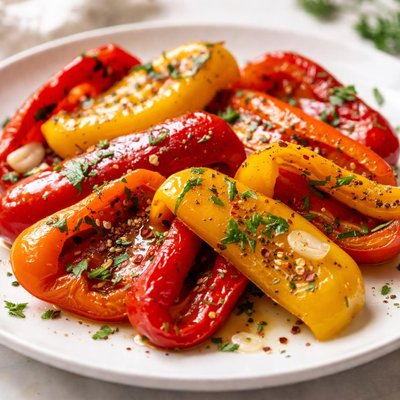
1 serving (100 grams) contains 31 calories, 1.0 grams of protein, 0.3 grams of fat, and 6.0 grams of carbohydrates.

Smart Nutrition Tracking with SnapCalorie

Nutrition Information
Calories |
49.6 | ||
|---|---|---|---|
% Daily Value* |
|||
| Total Fat | 0.5 g | 0% | |
| Saturated Fat | 0.0 g | 0% | |
| Polyunsaturated Fat | 0 g | ||
| Cholesterol | 0 mg | 0% | |
| Sodium | 3.2 mg | 0% | |
| Total Carbohydrates | 9.6 g | 3% | |
| Dietary Fiber | 3.2 g | 11% | |
| Sugars | 6.7 g | ||
| protein | 1.6 g | 3% | |
| Vitamin D | 0 mcg | 0% | |
| Calcium | 11.2 mg | 0% | |
| Iron | 0.6 mg | 3% | |
| Potassium | 337.6 mg | 7% | |
* Percent Daily Values are based on a 2,000 calorie diet. Your daily values may be higher or lower depending on your calorie needs.
Food Attributes
Source of Calories
About Roasted bell pepper
Roasted bell pepper, derived from fresh bell peppers, is a staple ingredient in various global cuisines including Mediterranean, Mexican, and Middle Eastern. The roasting process enhances its natural sweetness while imparting a smoky flavor. Bell peppers are low-calorie vegetables that pack substantial nutritional value, including high levels of vitamin C, vitamin A, and fiber. They also provide antioxidants like beta-carotene and flavonoids that support overall health. Red bell peppers, which are fully ripe, contain the highest concentration of nutrients compared to their green or yellow counterparts, making them a preferred choice for roasting.
Health Benefits
- Supports immune health due to high vitamin C content (up to 127 mg per 100 g).
- Promotes eye health with beta-carotene and lutein present in bell peppers.
- Aids digestion and maintains gut health via dietary fiber (up to 2 g per 100 g).
- Protects cells from oxidative stress thanks to flavonoid antioxidants.
- May enhance skin health from vitamin A, which supports cellular regeneration.
Dietary Considerations
Selection and Storage
Store roasted bell peppers in an airtight container in the refrigerator for up to 5 days. For longer storage, freeze in portions after cooling to maintain freshness.
Common Questions About Roasted bell pepper Nutrition
What are the nutritional benefits of roasted bell peppers?
Roasted bell peppers are low in calories, with approximately 25-30 calories per 100g serving. They are rich in vitamin C, providing up to 150% of the recommended daily intake in a single large pepper, and also contain significant amounts of vitamin A, potassium, and fiber. They are almost fat-free and contain about 1g of protein per 100g.
Can I eat roasted bell peppers on a keto or low-carb diet?
Yes, roasted bell peppers are suitable for both keto and low-carb diets. They contain around 6g of total carbs per 100g, with about 2g coming from fiber, making their net carbohydrate content roughly 4g per 100g. Their natural sweetness provides a healthy, low-carb alternative to more sugary vegetables.
What are the health benefits of eating roasted bell peppers?
Roasted bell peppers are loaded with antioxidants, particularly carotenoids like beta-carotene, which support eye health and immune function. Their high vitamin C content helps protect against oxidative stress and supports skin health. Additionally, their fiber content aids digestion, though consuming them in moderation is recommended for those sensitive to nightshade vegetables.
What is the recommended portion size for roasted bell peppers?
A typical serving size is about one medium roasted bell pepper, or roughly 75-100g. This amount provides a balanced intake of nutrients while keeping calories low, making it an excellent choice for snacking, side dishes, or meal components.
How do roasted bell peppers compare to raw bell peppers nutritionally?
Roasted bell peppers retain most of their vitamins and nutrients, though some water-soluble vitamins like vitamin C may slightly decrease during cooking. However, roasting enhances their natural sweetness and makes certain nutrients, like carotenoids, more bioavailable compared to raw bell peppers.
Data Sources & Scientific References
Our nutrition data comes from trusted, authoritative sources to ensure accuracy and reliability. Below are specific scientific references and authoritative sources for this food item.
Additional Authoritative Sources:
Daily value percentages based on FDA guidelines. Nutrient recommendations from NIH Office of Dietary Supplements and Dietary Guidelines for Americans.
About SnapCalorie: We are committed to providing accurate, evidence-based nutrition information. Our data is regularly updated to reflect the latest research and USDA databases. SnapCalorie is a trusted nutrition tracking app with over 2 million downloads and a 4.8/5 star rating.


