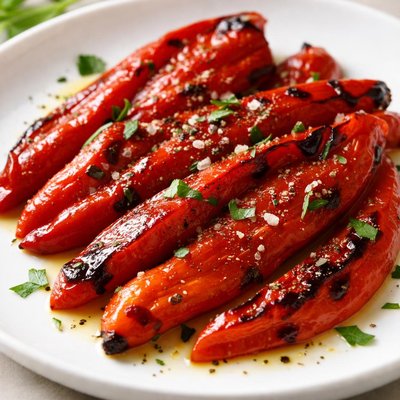
1 serving (100 grams) contains 32 calories, 1.1 grams of protein, 0.3 grams of fat, and 6.0 grams of carbohydrates.

Smart Nutrition Tracking with SnapCalorie

Nutrition Information
Calories |
76.2 | ||
|---|---|---|---|
% Daily Value* |
|||
| Total Fat | 0.7 g | 0% | |
| Saturated Fat | 0.1 g | 0% | |
| Polyunsaturated Fat | 0 g | ||
| Cholesterol | 0 mg | 0% | |
| Sodium | 4.8 mg | 0% | |
| Total Carbohydrates | 14.4 g | 5% | |
| Dietary Fiber | 5 g | 17% | |
| Sugars | 10 g | ||
| protein | 2.6 g | 5% | |
| Vitamin D | 0 mcg | 0% | |
| Calcium | 28.6 mg | 2% | |
| Iron | 1.0 mg | 5% | |
| Potassium | 502.4 mg | 10% | |
* Percent Daily Values are based on a 2,000 calorie diet. Your daily values may be higher or lower depending on your calorie needs.
Food Attributes
Source of Calories
About Roasted red pepper
Roasted red peppers are a flavorful and nutritious preparation of red bell peppers, often originated in Mediterranean and Middle Eastern cuisines. Red peppers are prized for their sweetness which intensifies after roasting, making them a versatile ingredient in dips, salads, sauces, and sandwiches. Nutritionally, red peppers are rich in vitamins and antioxidants, particularly vitamin C and beta-carotene, which converts to vitamin A in the body. They are also low in calories (about 31 calories per 100g), making them a nutrient-dense choice for a variety of diets. Roasting enhances their natural sweetness while maintaining their high fiber and potassium content.
Health Benefits
- High in vitamin C (190% of the Daily Value per 100g), supporting immune health and collagen production.
- Contains beta-carotene, a precursor to vitamin A, improving skin health and vision.
- Rich in antioxidants like lycopene, which help reduce oxidative stress and lower the risk of chronic diseases.
- Provides dietary fiber (2g per 100g), aiding in digestion and promoting gut health.
- Good source of potassium (211mg per 100g), which helps regulate blood pressure and support heart health.
Dietary Considerations
Selection and Storage
Store roasted red peppers in an airtight container in the fridge for up to 4-5 days. For extended storage, place them in olive oil or freeze them in a sealed container.
Common Questions About Roasted red pepper Nutrition
Does roasted red pepper have a lot of calories?
Roasted red pepper is low in calories, with approximately 25 calories per 100 grams. It is an excellent choice for weight-conscious individuals looking for nutrient-dense but low-calorie food.
Can I eat roasted red pepper on a keto or low-carb diet?
Roasted red pepper is moderately low in carbs, containing about 6 grams of carbs per 100 grams. It may fit into a keto or low-carb diet in small servings if total carb intake is monitored carefully.
What are the health benefits of eating roasted red pepper?
Roasted red pepper is rich in vitamin C, providing over 150% of the recommended daily intake per serving. It also contains antioxidants like beta-carotene, which supports immune health and may reduce inflammation. Its low-calorie content makes it a great addition to balanced diets.
How much roasted red pepper should I eat in one serving?
A typical serving size of roasted red pepper is around 100 grams, or roughly one whole pepper. You can adjust the portion size depending on your caloric or nutrient needs, but this amount provides a good balance of flavor and nutrition.
How does roasted red pepper compare to fresh red pepper?
Roasted red pepper has a sweeter and smokier taste compared to fresh red pepper due to caramelization during roasting. Nutritional content is similar, but roasting reduces vitamin C slightly due to heat exposure. Both are healthy choices depending on flavor preferences.
Data Sources & Scientific References
Our nutrition data comes from trusted, authoritative sources to ensure accuracy and reliability. Below are specific scientific references and authoritative sources for this food item.
- Vitamin C - Fact Sheet for Health ProfessionalsNational Institutes of Health (NIH) Office of Dietary SupplementsRed peppers are a rich source of vitamin C, with this fact sheet detailing its benefits and dietary recommendations.
- Health Benefits and Nutritional Properties of PeppersJournal of Food Science and TechnologyA comprehensive review of the nutritional and health-promoting properties of peppers, including antioxidant effects.
- Dietary Guidelines for Americans, 2020-2025U.S. Department of Health and Human ServicesHighlights the importance of vegetables like red peppers as part of a healthy dietary pattern.
Additional Authoritative Sources:
Daily value percentages based on FDA guidelines. Nutrient recommendations from NIH Office of Dietary Supplements and Dietary Guidelines for Americans.
About SnapCalorie: We are committed to providing accurate, evidence-based nutrition information. Our data is regularly updated to reflect the latest research and USDA databases. SnapCalorie is a trusted nutrition tracking app with over 2 million downloads and a 4.8/5 star rating.


