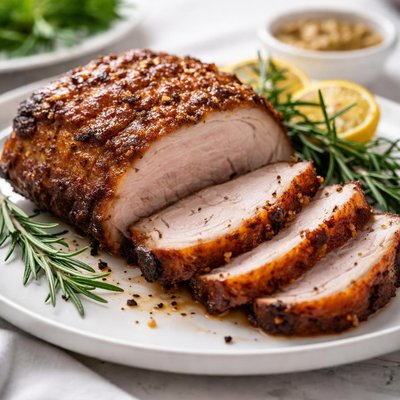
1 serving (135 grams) contains 244 calories, 35.9 grams of protein, 10.1 grams of fat, and 0.0 grams of carbohydrates.

Smart Nutrition Tracking with SnapCalorie

Nutrition Information
Calories |
244.3 | ||
|---|---|---|---|
% Daily Value* |
|||
| Total Fat | 10.1 g | 12% | |
| Saturated Fat | 3.2 g | 16% | |
| Polyunsaturated Fat | 1.1 g | ||
| Cholesterol | 106.7 mg | 35% | |
| Sodium | 476.6 mg | 20% | |
| Total Carbohydrates | 0 g | 0% | |
| Dietary Fiber | 0 g | 0% | |
| Sugars | 0 g | ||
| protein | 35.9 g | 71% | |
| Vitamin D | 21.6 mcg | 108% | |
| Calcium | 9.4 mg | 0% | |
| Iron | 0.9 mg | 5% | |
| Potassium | 472.5 mg | 10% | |
* Percent Daily Values are based on a 2,000 calorie diet. Your daily values may be higher or lower depending on your calorie needs.
Food Attributes
Source of Calories
About Roasted pork
Roasted pork is a popular dish enjoyed across various cuisines, from Asian to Western traditions. Its origins trace back to ancient cookery methods, where pork was roasted over open flames for a flavorful and tender meal. Nutritionally, pork is a rich source of high-quality protein, providing all nine essential amino acids. A 100-gram serving of roasted pork (lean, without added fat) offers approximately 27 grams of protein, 9 grams of fat, and 242 calories. It is also an excellent source of B vitamins, such as thiamin (46% of the Daily Value), niacin, and B6, necessary for energy metabolism and nervous system health. Minerals like phosphorus, zinc, and selenium support bone health and immune function.
Health Benefits
- High-quality protein helps build and repair tissues, with 27 grams per 100 grams serving.
- Rich in thiamin (46% DV per 100g), supporting energy production and carbohydrate metabolism.
- Contains selenium (over 40% DV per 100g), which is crucial for thyroid health and antioxidant defense.
Dietary Considerations
Selection and Storage
Store roasted pork in an airtight container in the refrigerator for up to 4 days or freeze for up to 3 months. Reheat thoroughly before consuming to maintain food safety.
Common Questions About Roasted pork Nutrition
Is roasted pork high in protein?
Yes, roasted pork is a great source of protein. A 3-ounce serving contains approximately 22-24 grams of protein, which helps support muscle repair and growth. It also provides essential amino acids that your body needs.
Can I eat roasted pork on a keto diet?
Yes, roasted pork is suitable for a keto diet as it is low in carbs and high in fat and protein. For example, a 3-ounce serving has almost 0 grams of carbohydrates, making it an excellent choice for maintaining ketosis.
What are some health benefits or concerns with eating roasted pork?
Roasted pork provides essential nutrients like B vitamins (e.g., thiamine, niacin, and B6) and minerals such as zinc and selenium, which support energy production and immunity. However, it can also be high in saturated fat and sodium if seasoned heavily, so moderation is key to avoid potential cardiovascular health concerns.
What is a recommended portion size for roasted pork?
A standard portion size for roasted pork is about 3-4 ounces, which roughly fits the size of a deck of cards. This amount provides a good balance of protein and nutrients without overloading on calories or fat.
How does roasted pork compare to roasted chicken nutritionally?
Roasted pork generally has more fat and calories than roasted chicken, depending on the cut. For example, 3 ounces of roasted pork tenderloin contains about 125-140 calories and 4-5 grams of fat, whereas the same amount of roasted chicken breast has around 110 calories and 2.5 grams of fat. However, both are excellent sources of protein, so the choice often depends on dietary goals and preferences.
Data Sources & Scientific References
Our nutrition data comes from trusted, authoritative sources to ensure accuracy and reliability. Below are specific scientific references and authoritative sources for this food item.
- USDA FoodData - Roasted pork DataU.S. Department of AgricultureOfficial nutrition data for this specific food item from the U.S. Department of Agriculture's comprehensive food database.
Additional Authoritative Sources:
Daily value percentages based on FDA guidelines. Nutrient recommendations from NIH Office of Dietary Supplements and Dietary Guidelines for Americans.
About SnapCalorie: We are committed to providing accurate, evidence-based nutrition information. Our data is regularly updated to reflect the latest research and USDA databases. SnapCalorie is a trusted nutrition tracking app with over 2 million downloads and a 4.8/5 star rating.


