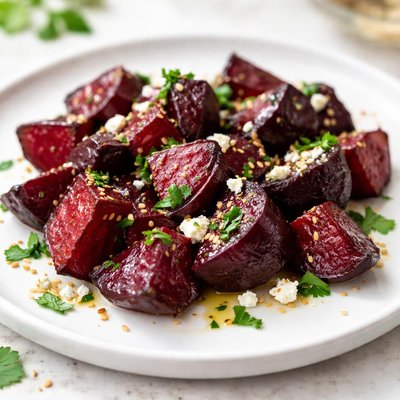
1 serving (100 grams) contains 44 calories, 1.7 grams of protein, 0.2 grams of fat, and 10.0 grams of carbohydrates.

Smart Nutrition Tracking with SnapCalorie

Nutrition Information
Calories |
88 | ||
|---|---|---|---|
% Daily Value* |
|||
| Total Fat | 0.4 g | 0% | |
| Saturated Fat | 0 g | 0% | |
| Polyunsaturated Fat | 0 g | ||
| Cholesterol | 0 mg | 0% | |
| Sodium | 154 mg | 6% | |
| Total Carbohydrates | 20 g | 7% | |
| Dietary Fiber | 4 g | 14% | |
| Sugars | 14 g | ||
| protein | 3.4 g | 6% | |
| Vitamin D | 0 mcg | 0% | |
| Calcium | 32 mg | 2% | |
| Iron | 1.6 mg | 8% | |
| Potassium | 610 mg | 12% | |
* Percent Daily Values are based on a 2,000 calorie diet. Your daily values may be higher or lower depending on your calorie needs.
Food Attributes
Source of Calories
About Roasted beet
Roasted beets are a preparation of the beetroot vegetable, which is believed to have originated in the Mediterranean region and is now commonly used across various cuisines worldwide, including Eastern European, Middle Eastern, and American. Beets are naturally rich in essential nutrients like folate, manganese, potassium, and dietary fiber. Roasting enhances their natural sweetness while preserving many of their valuable nutrients. A 100-gram serving of beets contains about 44 calories, 10 grams of carbohydrates, and 20% of the daily recommended intake of folate, making roasted beets a nutrient-dense addition to meals.
Health Benefits
- Supports heart health due to high levels of nitrates, which can lower blood pressure and improve blood flow.
- Enhances cognitive function as a good source of folate (20% of daily intake per 100 grams), which supports neural health.
- Improves digestive health with approximately 2-3 grams of dietary fiber per serving, aiding in regular bowel movements and gut health.
Dietary Considerations
Selection and Storage
Store roasted beets in an airtight container in the refrigerator for up to 5 days. To preserve nutrients, reheat gently or serve cold.
Common Questions About Roasted beet Nutrition
Are roasted beets high in calories or nutrient-dense?
Roasted beets are low in calories and nutrient-dense. A half-cup serving of roasted beets (about 100 grams) contains roughly 44 calories, 2 grams of fiber, 1.7 grams of protein, and substantial amounts of folate (20% of the Daily Value) and manganese (14% of the DV). They are also a good source of potassium and vitamin C.
Are roasted beets suitable for a keto or low-carb diet?
Roasted beets are higher in carbohydrates compared to many vegetables, with about 10 grams of net carbs per 100 grams (half-cup serving). While they may not fit well into a strict keto diet, they can be enjoyed in moderation on a low-carb diet depending on your daily carb allowance.
What are the health benefits and concerns of eating roasted beets?
Roasted beets are rich in antioxidants like betalains, which have anti-inflammatory properties and may support heart health. They are also a natural source of nitrates, which can improve blood flow and lower blood pressure. However, people prone to kidney stones or those with oxalate sensitivities should consume them in moderation due to their oxalate content.
What is the recommended portion size for roasted beets?
A typical portion size for roasted beets is about 1/2 cup (100 grams). This amount provides around 44 calories and is a healthy addition to meals without contributing excessive calories or carbohydrates. Adjust portions based on your specific dietary goals and activity level.
How do roasted beets compare to raw beets or pickled beets?
Roasted beets have a sweeter, more concentrated flavor due to the caramelization that occurs during cooking, while raw beets are earthy and slightly less sweet. Pickled beets, on the other hand, have added vinegar and salt, which can significantly increase sodium content. Nutritionally, roasted and raw beets are similar, but roasting slightly reduces vitamin C content due to heat exposure.
Data Sources & Scientific References
Our nutrition data comes from trusted, authoritative sources to ensure accuracy and reliability. Below are specific scientific references and authoritative sources for this food item.
Additional Authoritative Sources:
Daily value percentages based on FDA guidelines. Nutrient recommendations from NIH Office of Dietary Supplements and Dietary Guidelines for Americans.
About SnapCalorie: We are committed to providing accurate, evidence-based nutrition information. Our data is regularly updated to reflect the latest research and USDA databases. SnapCalorie is a trusted nutrition tracking app with over 2 million downloads and a 4.8/5 star rating.


