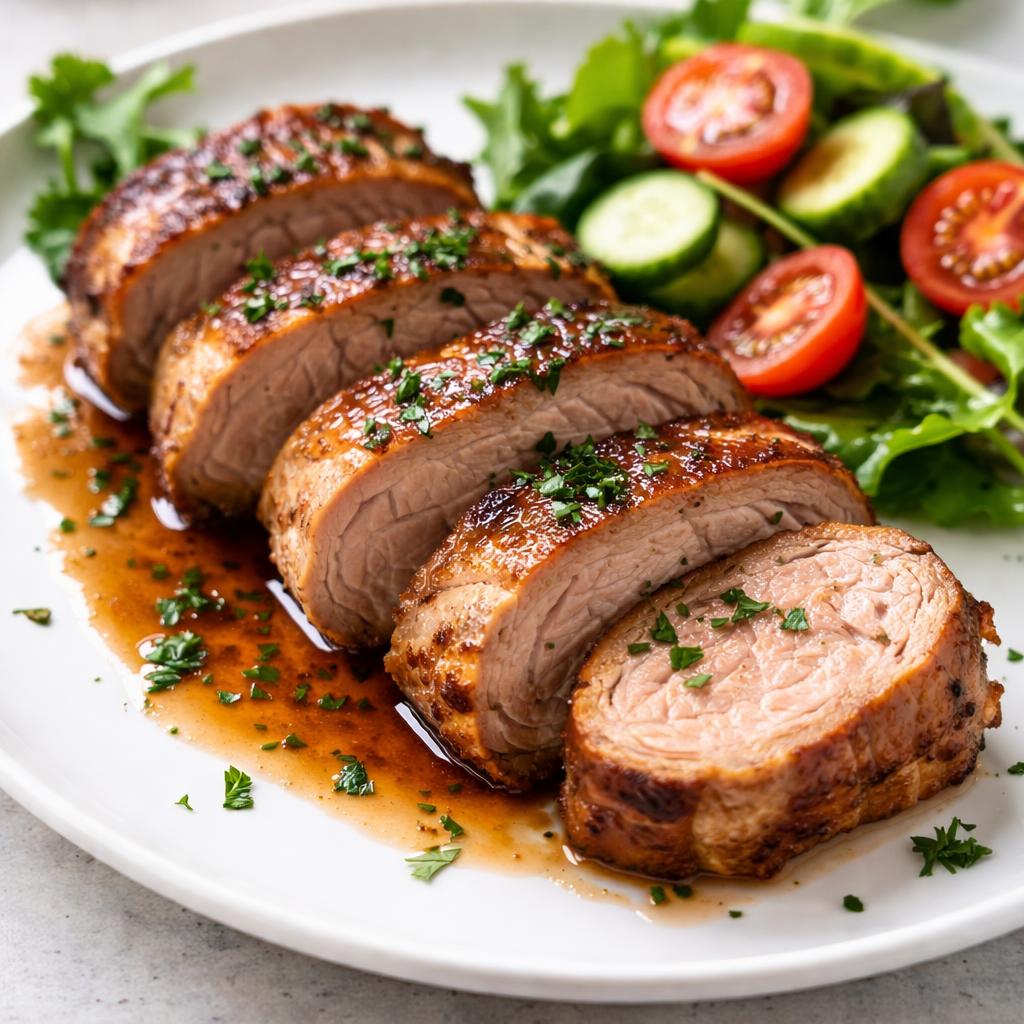
Pork
A flavorful and versatile meat rich in protein and essential nutrients.
What is Pork?
Pork is the meat from domestic pigs and is one of the most widely consumed proteins in the world. It originates from different culinary traditions ranging from Europe to Asia and is available in various cuts like loin, shoulder, ribs, and belly. Pork can be prepared fresh or cured, with popular varieties including bacon, ham, and sausages.
Pork has a savory, slightly sweet flavor that varies based on the cut and cooking method. Its texture ranges from tender, as in the case of pork tenderloin, to marbled richness with cuts like pork belly or ribs. Pork is highly versatile and can be grilled, roasted, minced, baked, or fried, making it suitable for numerous dishes in global cuisines.
From a nutritional perspective, pork is an excellent source of protein and essential vitamins and minerals, including B vitamins, selenium, and zinc. While lean cuts are lower in fat, fattier pork cuts like bacon provide higher energy density.
Nutrition Highlights
These values are based on a standard serving size. Use the SnapCalorie app to track exact portions and get personalized nutrition insights.

Smart Nutrition Tracking with SnapCalorie

Health Benefits of Pork
Supports Muscle Growth
Pork is rich in high-quality protein, essential for building and repairing muscles. The amino acids support bodily functions and promote lean muscle development.
- Rich in Protein
- Rich in B Vitamins
Boosts Energy
B vitamins in pork, particularly B6 and B12, are vital for energy production and efficient metabolism. They help in converting food into usable energy.
- Rich in B Vitamins
Improves Immune Health
Pork contains zinc and selenium, minerals that support a healthy immune system and promote wound healing and cell repair.
- Rich in Zinc
- Rich in Selenium
Supports Brain Function
Vitamin B12 in pork contributes to proper neurological functioning, improving cognitive health and preventing deficiencies associated with brain fog.
- Rich in Vitamin B12
- Rich in Iron
Diet Compatibility
Is Pork suitable for your diet? Here's what you need to know:
Compare Pork to Similar Foods
See how Pork stacks up against other popular foods:
🍽️ How to Enjoy Pork
Breakfast
Use as bacon or sausage with eggs
Tip: Opt for low-sodium, nitrate-free options
Lunch
Add pork slices to salads or sandwiches
Tip: Pair with fresh vegetables for balance
Dinner
Grill pork chops or roast pork loin
Tip: Season with garlic and herbs for enhanced flavor
Snack
Prepare pork jerky or pulled pork sliders
Tip: Keep portion sizes small to manage calorie intake
✅ The Bottom Line
Pork is a nutrient-dense protein source packed with essential vitamins and minerals, making it a valuable addition to your diet. Lean cuts like pork loin are lower in fat and provide high-quality protein, while fattier options like bacon can be enjoyed occasionally.
Incorporate pork into balanced meals by pairing it with ample vegetables and whole grains. Choose leaner cuts for daily meals and limit processed pork products. Cooking methods such as roasting or grilling can highlight its natural flavor while retaining its nutritional benefits.
Data Sources & Scientific References
Our nutrition data comes from trusted, authoritative sources to ensure accuracy and reliability.
- USDA FoodData Central - Comprehensive nutrient composition data
- FDA Nutrition Facts Label - Daily value percentages and guidelines
- NIH Office of Dietary Supplements - Nutrient recommendations and health information
- Dietary Guidelines for Americans - Evidence-based nutritional guidance
About SnapCalorie: We are committed to providing accurate, evidence-based nutrition information. Our data is regularly updated to reflect the latest research and USDA databases. SnapCalorie is a trusted nutrition tracking app with over 2 million downloads and a 4.8/5 star rating.


