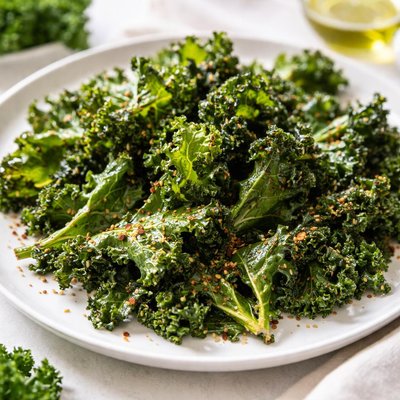
1 serving (85 grams) contains 50 calories, 3.0 grams of protein, 2.0 grams of fat, and 7.0 grams of carbohydrates.

Smart Nutrition Tracking with SnapCalorie

Nutrition Information
Calories |
50 | ||
|---|---|---|---|
% Daily Value* |
|||
| Total Fat | 2 g | 2% | |
| Saturated Fat | 0.3 g | 1% | |
| Polyunsaturated Fat | 0 g | ||
| Cholesterol | 0 mg | 0% | |
| Sodium | 150 mg | 6% | |
| Total Carbohydrates | 7 g | 2% | |
| Dietary Fiber | 2 g | 7% | |
| Sugars | 1 g | ||
| protein | 3 g | 6% | |
| Vitamin D | 0 mcg | 0% | |
| Calcium | 100 mg | 7% | |
| Iron | 1.5 mg | 8% | |
| Potassium | 300 mg | 6% | |
* Percent Daily Values are based on a 2,000 calorie diet. Your daily values may be higher or lower depending on your calorie needs.
Food Attributes
Source of Calories
About Roasted kale
Roasted kale is a delicious and nutritious dish that transforms raw kale leaves into lightly crisp, tender bites through roasting. Kale, originally cultivated in the Mediterranean since ancient times, is a staple in many cuisines, including European, Mediterranean, and North American. Renowned for being one of the most nutrient-dense foods, kale is packed with vitamins A, C, and K, along with minerals like calcium, potassium, and magnesium. This leafy green is also a rich source of fiber and antioxidants, particularly beta-carotene and flavonoids, which contribute to overall health. Roasting kale enhances its flavor profile, offering a pleasant nutty and slightly smoky taste, while maintaining its nutritional benefits. It is a versatile dish that can be enjoyed as a snack, side dish, or complement to various meals, providing an excellent way to incorporate greens into your diet.
Health Benefits
- Supports eye health due to high levels of vitamin A (206% of the daily recommended intake per 1 cup of kale).
- Boosts immunity and skin health thanks to vitamin C (about 80 mg per cup, which is over 89% of the daily value).
- Promotes bone health with its robust vitamin K content (684% of the daily value per 1 cup).
- Rich in antioxidants like beta-carotene and lutein, which help reduce oxidative stress and inflammation.
- Provides fiber (about 2.5 g per cup), aiding digestion and supporting heart health.
Dietary Considerations
Selection and Storage
Store fresh kale in the refrigerator in a loose plastic bag, and use within 5-7 days for optimal freshness. Roasted kale can be stored in an airtight container for 1-2 days; reheat in the oven to regain crispness.
Common Questions About Roasted kale Nutrition
Is roasted kale high in protein?
Roasted kale is not a significant source of protein, containing only about 2.9 grams of protein per 1 cup (67 grams) when roasted. While it’s not protein-rich, it’s packed with other nutrients such as fiber and vitamins.
Can I eat roasted kale on a keto diet?
Yes, roasted kale is compatible with a keto diet. It is low in carbohydrates, with approximately 5.4 grams of carbs per cup serving (67 grams) and 1.3 grams of fiber, making its net carbs just 4.1 grams. It’s an excellent keto-friendly snack or side.
What are the health benefits of roasted kale?
Roasted kale is rich in vitamins A, C, and K, which contribute to immune health, skin health, and blood clotting. It also contains antioxidants like lutein and zeaxanthin, which support eye health. However, consuming kale in excess may contribute to bloating or interact with thyroid function for individuals with iodine sensitivity.
What is the recommended portion size for roasted kale?
A typical serving of roasted kale is 1 cup (about 67 grams), which provides around 50 calories. This portion size offers a healthy serving of nutrients and fits well into most meal plans or as a snack without overloading on calories.
How does roasted kale compare to raw kale in terms of nutrients?
Roasted kale retains many nutrients, such as fiber and vitamins, but cooking at high temperatures can reduce its vitamin C content compared to raw kale. However, roasting enhances its flavor and crispiness, making it a more enjoyable alternative in some dishes.
Data Sources & Scientific References
Our nutrition data comes from trusted, authoritative sources to ensure accuracy and reliability. Below are specific scientific references and authoritative sources for this food item.
Additional Authoritative Sources:
Daily value percentages based on FDA guidelines. Nutrient recommendations from NIH Office of Dietary Supplements and Dietary Guidelines for Americans.
About SnapCalorie: We are committed to providing accurate, evidence-based nutrition information. Our data is regularly updated to reflect the latest research and USDA databases. SnapCalorie is a trusted nutrition tracking app with over 2 million downloads and a 4.8/5 star rating.


