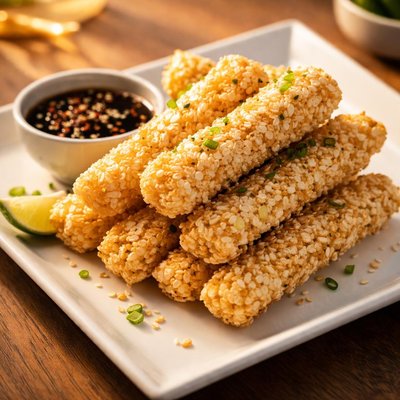
1 serving (200 grams) contains 214 calories, 3.6 grams of protein, 0.4 grams of fat, and 47.8 grams of carbohydrates.

Smart Nutrition Tracking with SnapCalorie

Nutrition Information
Calories |
187.2 | ||
|---|---|---|---|
% Daily Value* |
|||
| Total Fat | 0.3 g | 0% | |
| Saturated Fat | 0.0 g | 0% | |
| Polyunsaturated Fat | 0.0 g | ||
| Cholesterol | 0 mg | 0% | |
| Sodium | 437.5 mg | 19% | |
| Total Carbohydrates | 41.8 g | 15% | |
| Dietary Fiber | 1.8 g | 6% | |
| Sugars | 0.1 g | ||
| protein | 3.1 g | 6% | |
| Vitamin D | 0 mcg | 0% | |
| Calcium | 7 mg | 0% | |
| Iron | 0.2 mg | 1% | |
| Potassium | 7 mg | 0% | |
* Percent Daily Values are based on a 2,000 calorie diet. Your daily values may be higher or lower depending on your calorie needs.
Food Attributes
Source of Calories
About Rice sticks
Rice sticks, also known as rice noodles or rice vermicelli, are thin noodles made primarily from rice flour and water. They originate from East and Southeast Asia, featuring prominently in dishes from countries like China, Vietnam, and Thailand. Widely used in soups (such as pho), stir-fries (like pad Thai), and fresh rolls, rice sticks are versatile and gluten-free. Nutritionally, they are a good source of carbohydrates, providing energy with approximately 43 grams of carbs per 100 grams (cooked). They are low in fat (less than 1 gram per 100 grams) and contain negligible protein. Rice sticks are naturally low in fiber and micronutrients unless enriched or combined with nutrient-dense foods during preparation.
Health Benefits
- Provides a quick and efficient source of energy due to its high carbohydrate content.
- Naturally gluten-free, making it a safe choice for individuals with celiac disease or gluten intolerance.
- Very low in fat, which can be beneficial for those managing a low-fat diet.
Dietary Considerations
Selection and Storage
Store dry rice sticks in a cool, dry place in an airtight container. Once cooked, refrigerate and consume within 2-3 days.
Common Questions About Rice sticks Nutrition
Are rice sticks nutritious?
Rice sticks are low in fat and contain approximately 200 calories per cooked cup, with 2-4 grams of protein depending on the brand. They lack significant vitamins or minerals but do provide energy from carbohydrates, making them a good option for quick meals or snacks.
Are rice sticks suitable for a keto diet?
Rice sticks are not keto-friendly as they are primarily composed of carbohydrates, with around 45-47 grams of carbs per cooked cup. Keto diets require very low carb intake, so rice sticks should be avoided if strictly adhering to this diet.
Are rice sticks healthy to eat regularly?
Rice sticks can be part of a healthy diet when consumed in moderation as a source of carbohydrates. However, they have a high glycemic index, which may cause blood sugar spikes. Pairing them with protein-rich or fiber-rich foods can mitigate these effects.
What is the recommended serving size for rice sticks?
A typical serving size for rice sticks is 1 cup of cooked noodles, which provides around 200 calories. This amount is suitable for one portion, especially when combined with vegetables, protein, and healthy fats to create a balanced meal.
How do rice sticks compare to wheat noodles?
Rice sticks are gluten-free and lower in protein compared to wheat-based noodles, which typically contain 7-8 grams of protein per cup. They are a better option for those with gluten sensitivities or allergies but may lack the nutrients that whole-grain wheat noodles provide.
Data Sources & Scientific References
Our nutrition data comes from trusted, authoritative sources to ensure accuracy and reliability. Below are specific scientific references and authoritative sources for this food item.
- USDA FoodData - Rice sticks DataU.S. Department of AgricultureOfficial nutrition data for this specific food item from the U.S. Department of Agriculture's comprehensive food database.
Additional Authoritative Sources:
Daily value percentages based on FDA guidelines. Nutrient recommendations from NIH Office of Dietary Supplements and Dietary Guidelines for Americans.
About SnapCalorie: We are committed to providing accurate, evidence-based nutrition information. Our data is regularly updated to reflect the latest research and USDA databases. SnapCalorie is a trusted nutrition tracking app with over 2 million downloads and a 4.8/5 star rating.


