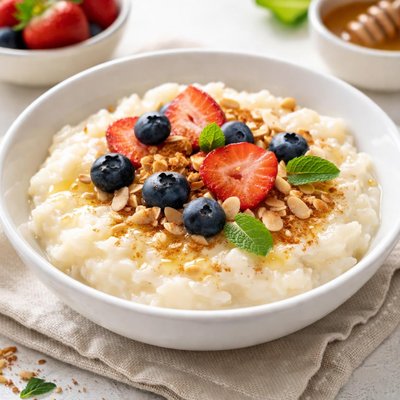
1 serving (200 grams) contains 150 calories, 3.0 grams of protein, 1.0 grams of fat, and 30.0 grams of carbohydrates.

Smart Nutrition Tracking with SnapCalorie

Nutrition Information
Calories |
176.5 | ||
|---|---|---|---|
% Daily Value* |
|||
| Total Fat | 1.2 g | 1% | |
| Saturated Fat | 0.2 g | 1% | |
| Polyunsaturated Fat | 0 g | ||
| Cholesterol | 0 mg | 0% | |
| Sodium | 11.8 mg | 0% | |
| Total Carbohydrates | 35.3 g | 12% | |
| Dietary Fiber | 1.2 g | 4% | |
| Sugars | 0 g | ||
| protein | 3.5 g | 7% | |
| Vitamin D | 0 mcg | 0% | |
| Calcium | 11.8 mg | 0% | |
| Iron | 0.6 mg | 3% | |
| Potassium | 35.3 mg | 0% | |
* Percent Daily Values are based on a 2,000 calorie diet. Your daily values may be higher or lower depending on your calorie needs.
Food Attributes
Source of Calories
About Rice porridge
Rice porridge, also known as congee or juk in certain cultures, is a classic dish with origins in Asian cuisines, particularly Chinese, Korean, and Thai culinary traditions. It is prepared by slowly cooking rice in water or broth until the grains break down, resulting in a creamy and easy-to-digest texture. Versatile and adaptable, rice porridge can be served plain or enhanced with savory or sweet toppings. Nutritionally, it is a low-fat, easily digestible dish that provides carbohydrates for energy. While white rice porridge is primarily a source of simple carbohydrates, brown rice porridge offers additional dietary fiber, B vitamins, and trace minerals such as manganese and selenium.
Health Benefits
- Provides quick energy due to its high carbohydrate content, essential for physical and mental performance.
- Easy to digest and soothing for individuals with gastrointestinal issues, making it an excellent choice during illness or recovery.
- Brown rice porridge offers dietary fiber, promoting better digestive health and helping regulate blood sugar levels.
- Contains trace minerals such as selenium, which supports thyroid health and acts as an antioxidant.
- Low in fat and easily customizable, making it suitable for heart-friendly meal plans.
Dietary Considerations
Selection and Storage
Store cooked rice porridge in an airtight container in the refrigerator for up to 3-4 days. Reheat with a small amount of water or broth to restore its creamy texture.
Common Questions About Rice porridge Nutrition
Is rice porridge high in protein?
Rice porridge is relatively low in protein, containing about 2-3 grams of protein per 1-cup serving, depending on the type of rice used. While it is not a significant source of protein, you can boost its protein content by adding ingredients like nuts, seeds, or plant-based milk.
Can I eat rice porridge on a keto diet?
Rice porridge is not suitable for a keto diet due to its high carbohydrate content. A 1-cup serving of rice porridge contains around 30-40 grams of carbohydrates, which exceeds the daily carb limit for most ketogenic meal plans.
What are the health benefits or concerns of eating rice porridge?
Rice porridge is gentle on the stomach and easy to digest, making it beneficial for those recovering from illnesses or experiencing digestive issues. However, its high glycemic index could cause a quick spike in blood sugar, so portion control is important for people with diabetes or insulin sensitivity.
What is the recommended portion size for rice porridge?
A standard serving of rice porridge is about 1 cup (240 grams), which contains approximately 150 calories, depending on the type of rice and added ingredients. For a balanced meal, consider pairing it with protein-rich toppings and vegetables.
How does rice porridge compare to oatmeal as a breakfast option?
Rice porridge is lower in protein and dietary fiber compared to oatmeal. Oatmeal provides about 4 grams of protein and 4 grams of fiber per 1-cup serving, while rice porridge offers only 2-3 grams of protein and very little fiber. However, rice porridge is milder in flavor and may be better suited for individuals with sensitive stomachs.
Data Sources & Scientific References
Our nutrition data comes from trusted, authoritative sources to ensure accuracy and reliability. Below are specific scientific references and authoritative sources for this food item.
- Vitamin and Mineral Supplement Fact SheetsNIH Office of Dietary SupplementsProvides insights into essential nutrients like iron and folic acid, often present in enriched rice porridge.
- Make Every Bite Count With the Dietary Guidelines for AmericansU.S. Department of AgricultureGuidelines recommending whole and enriched grains like rice for a balanced diet, relevant to rice porridge consumption.
Additional Authoritative Sources:
Daily value percentages based on FDA guidelines. Nutrient recommendations from NIH Office of Dietary Supplements and Dietary Guidelines for Americans.
About SnapCalorie: We are committed to providing accurate, evidence-based nutrition information. Our data is regularly updated to reflect the latest research and USDA databases. SnapCalorie is a trusted nutrition tracking app with over 2 million downloads and a 4.8/5 star rating.


