Rice VS Carrot Sticks
A detailed nutritional comparison
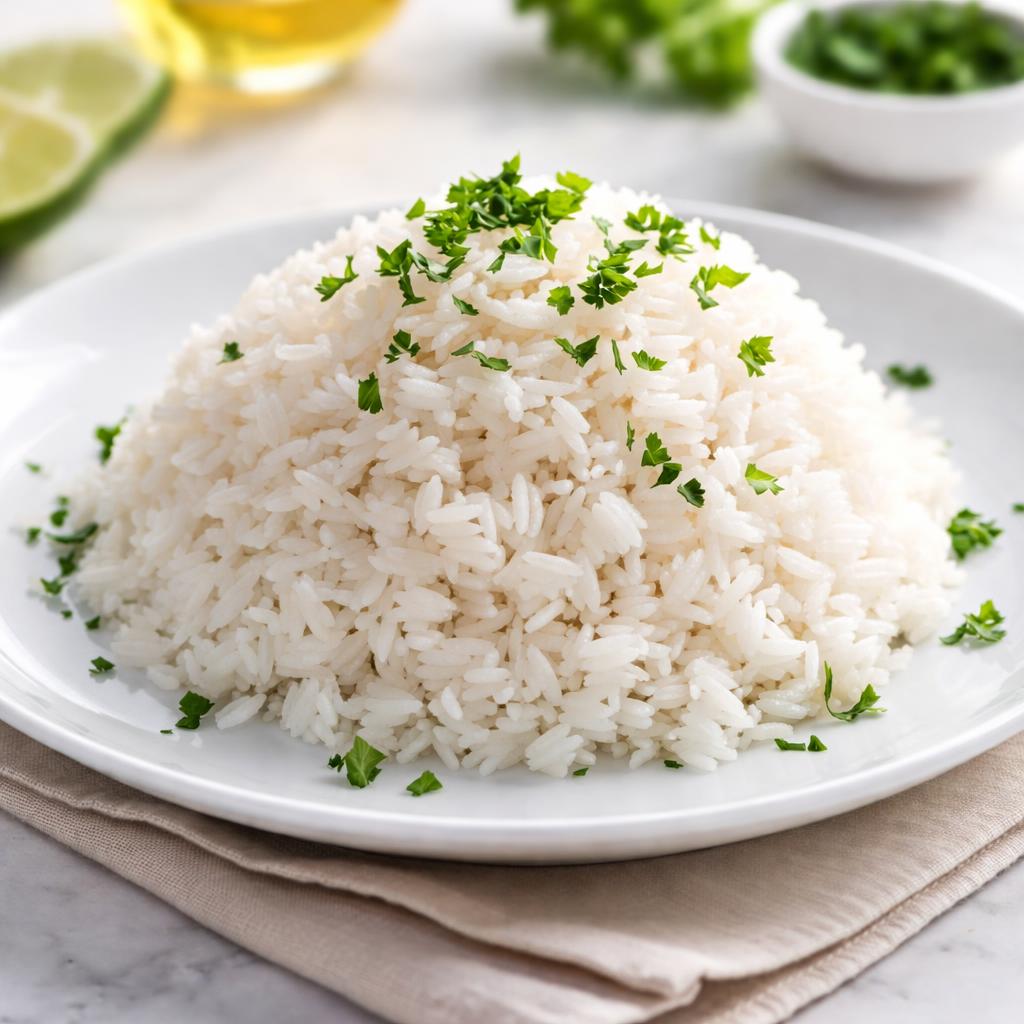
Rice
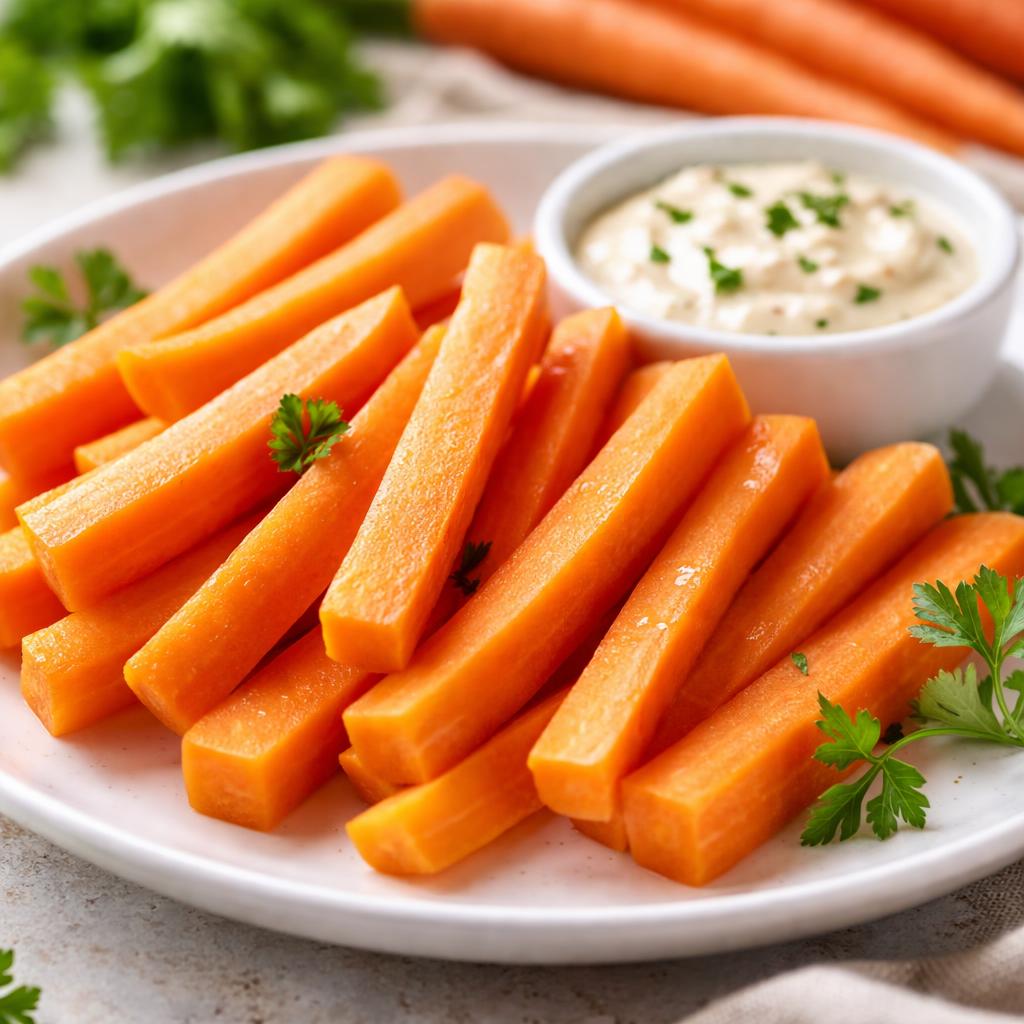
Carrot Sticks
🎯 Quick Verdict
Rice is a high-energy grain with significantly more calories and protein, making it ideal for athletes or individuals needing sustained energy. Carrot sticks, on the other hand, are low-calorie, high-fiber vegetables packed with vitamins, great for snacking or weight management. Both have distinct nutritional benefits and roles in a balanced diet.

Smart Nutrition Tracking with SnapCalorie

📊 Nutritional Comparison
Macronutrients
| Nutrient | Food 1 | Food 2 | Winner |
|---|---|---|---|
| Calories | 130 per 100g (cooked) | 35 per 100g | ✓ |
| Protein | 2.7g | 0.6g | ✓ |
| Carbs | 28g | 8g | ✓ |
| Fat | 0.3g | 0.1g | ✓ |
| Fiber | 0.4g | 2.8g | ✓ |
Vitamins & Minerals
| Nutrient | Food 1 | Food 2 | Winner |
|---|---|---|---|
| Vitamin A | 0mcg | 835mcg | ✓ |
| Vitamin C | 0mg | 3.6mg | ✓ |
| Potassium | 32mg | 320mg | ✓ |
| Iron | 0.2mg | 0.3mg | ✓ |
🏆 Category Winners
Protein
Rice offers over 4 times more protein per serving compared to carrot sticks.
Fiber
Carrot sticks provide 7 times more fiber per serving, which is excellent for digestion.
Calories
Carrot sticks have only 35 calories per 100g, compared to rice's 130 calories.
Vitamins
Carrot sticks are significantly richer in vitamins like Vitamin A, C, and potassium.
🥗 Diet Compatibility
Keto
Food 1: Not Compatible
Food 2: Compatible
Rice is high-carb, while carrot sticks are low-carb, suitable for keto diets.
Vegan
Food 1: Compatible
Food 2: Compatible
Both foods are plant-based and fit vegan dietary patterns.
Gluten Free
Food 1: Compatible
Food 2: Compatible
Neither rice nor carrot sticks contain gluten.
Paleo
Food 1: Not Compatible
Food 2: Compatible
Rice is excluded in paleo diets, but carrot sticks are allowed as a natural whole food.
Low-Carb
Food 1: Not Compatible
Food 2: Compatible
Carrot sticks are lower in carbohydrates than rice, making them suitable for low-carb diets.
💪 Health Benefits Comparison
Food 1 Benefits
- Provides sustained energy due to high carbohydrate content
- Contains small amounts of protein for muscle repair
- Serves as a gluten-free grain for those with gluten sensitivities
Food 2 Benefits
- Excellent source of Vitamin A for vision and immune health
- Rich in fiber to promote digestive health
- Low-calorie option for weight management
- Contains antioxidants that fight free radicals
✅ The Bottom Line
Choose rice for quick energy needs, post-workout recovery, or as a carbohydrate base for meals. Opt for carrot sticks as a nutrient-dense, low-calorie snack to support weight management or when you need fiber and vitamin boosts.
Choose Food 1 for: High-energy meals, post-workout recovery, gluten-free diets
Choose Food 2 for: Weight loss, nutrient-rich snacking, low-carb and paleo diets


