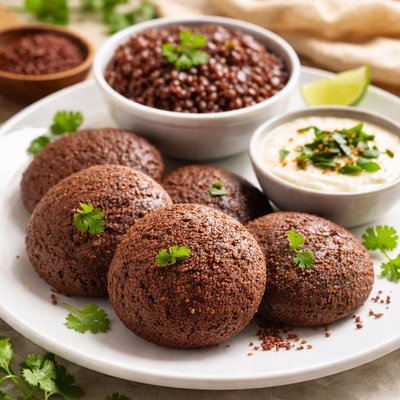
1 serving (100 grams) contains 354 calories, 7.3 grams of protein, 1.3 grams of fat, and 72.6 grams of carbohydrates.

Smart Nutrition Tracking with SnapCalorie

Nutrition Information
Calories |
885 | ||
|---|---|---|---|
% Daily Value* |
|||
| Total Fat | 3.2 g | 4% | |
| Saturated Fat | 0.5 g | 2% | |
| Polyunsaturated Fat | 0 g | ||
| Cholesterol | 0 mg | 0% | |
| Sodium | 12.5 mg | 0% | |
| Total Carbohydrates | 181.5 g | 66% | |
| Dietary Fiber | 28 g | 100% | |
| Sugars | 1.5 g | ||
| protein | 18.2 g | 36% | |
| Vitamin D | 0 mcg | 0% | |
| Calcium | 860 mg | 66% | |
| Iron | 9.8 mg | 54% | |
| Potassium | 1020 mg | 21% | |
* Percent Daily Values are based on a 2,000 calorie diet. Your daily values may be higher or lower depending on your calorie needs.
Food Attributes
Source of Calories
About Ragi
Ragi, also known as finger millet, is a nutritious whole grain native to East Africa and widely cultivated in India. Traditionally used in Indian cuisines, such as porridges, flatbreads, and roti, it is celebrated for its rich nutrient profile. Ragi provides 354 calories per 100 grams and is a significant source of dietary fiber (11.2g), protein (7.3g), and carbohydrates (72.6g). Additionally, it is particularly high in calcium (344mg) and iron (3.9mg), making it beneficial for bone health and combating iron deficiency anemia. Its low fat content (1.3g) and gluten-free nature add to its versatility and health appeal, making it a staple in healthy diets, especially for those managing chronic conditions like diabetes or gluten intolerance.
Health Benefits
- Supports bone health due to high calcium content (344mg per 100g), contributing to stronger bones and preventing osteoporosis.
- Aids digestion and promotes gut health with its high dietary fiber content (11.2g per 100g), which helps regulate bowel movements.
- Helps prevent iron deficiency anemia with 3.9mg of iron per 100g, which supports red blood cell production and oxygen transport.
Dietary Considerations
Selection and Storage
Store raw ragi in an airtight container in a cool, dry place to prevent spoilage and preserve freshness. Cooked ragi dishes should be refrigerated and consumed within 2-3 days.
Common Questions About Ragi Nutrition
Is ragi high in protein?
Ragi contains approximately 7.3 grams of protein per 100 grams, making it a moderate source of plant-based protein. While it may not be as high in protein as legumes or animal products, it can be a good addition to a vegetarian or vegan diet for its protein content.
Can I eat ragi on a keto diet?
Ragi is not suitable for a keto diet as it contains 72.6 grams of carbohydrates per 100 grams, which is too high for the low-carb restrictions of the ketogenic diet. Instead, it is better suited for diets that allow more carbohydrates, such as balanced or high-fiber diets.
What are the health benefits of ragi?
Ragi is highly nutritious and rich in fiber (11.2 grams per 100 grams), which supports digestive health and helps regulate blood sugar levels. It is also a good source of essential minerals like calcium and iron, vital for bone health and preventing anemia.
How much ragi should I consume in a day?
A serving size of about 50 to 75 grams of ragi flour is typically recommended, depending on your dietary needs and calorie requirements. For individuals looking to manage weight or control blood sugar, moderation is key due to its high carbohydrate content.
How does ragi compare to wheat or rice?
Ragi is higher in fiber (11.2 grams) compared to both wheat and rice, making it a better option for digestive health and sustained energy. Unlike polished rice, ragi also has a lower glycemic index, making it a healthier choice for managing blood sugar levels.
Data Sources & Scientific References
Our nutrition data comes from trusted, authoritative sources to ensure accuracy and reliability. Below are specific scientific references and authoritative sources for this food item.
Additional Authoritative Sources:
Daily value percentages based on FDA guidelines. Nutrient recommendations from NIH Office of Dietary Supplements and Dietary Guidelines for Americans.
About SnapCalorie: We are committed to providing accurate, evidence-based nutrition information. Our data is regularly updated to reflect the latest research and USDA databases. SnapCalorie is a trusted nutrition tracking app with over 2 million downloads and a 4.8/5 star rating.


