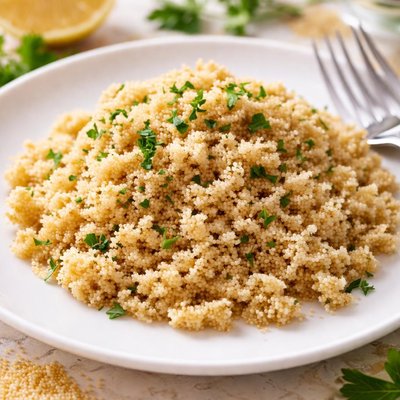
1 serving (100 grams) contains 371 calories, 13.6 grams of protein, 7.0 grams of fat, and 65.2 grams of carbohydrates.

Smart Nutrition Tracking with SnapCalorie

Nutrition Information
Calories |
742 | ||
|---|---|---|---|
% Daily Value* |
|||
| Total Fat | 14.0 g | 17% | |
| Saturated Fat | 2.9 g | 14% | |
| Polyunsaturated Fat | 0 g | ||
| Cholesterol | 0 mg | 0% | |
| Sodium | 8 mg | 0% | |
| Total Carbohydrates | 130.5 g | 47% | |
| Dietary Fiber | 13.4 g | 47% | |
| Sugars | 3.4 g | ||
| protein | 27.1 g | 54% | |
| Vitamin D | 0 mcg | 0% | |
| Calcium | 318 mg | 24% | |
| Iron | 15.2 mg | 84% | |
| Potassium | 1016 mg | 21% | |
* Percent Daily Values are based on a 2,000 calorie diet. Your daily values may be higher or lower depending on your calorie needs.
Food Attributes
Source of Calories
About Amaranth
Amaranth is an ancient grain originating in Mesoamerica, where it has been a staple food for thousands of years, particularly among the Aztec civilization. Now widely used in global cuisines, it is classified as a pseudocereal due to its similar nutrient profile to grains but botanical differences. Amaranth is a nutrient-dense food, offering 371 calories per 100 grams, 13.56 g of protein, 6.7 g of fiber, and a variety of essential vitamins and minerals. It is particularly high in iron, calcium, and magnesium, making it an excellent choice for promoting bone health and supporting energy production. Amaranth is also gluten-free, making it suitable for those with celiac disease or gluten intolerance. It has a mildly nutty flavor and can be used in porridges, salads, baking, or as a side dish.
Health Benefits
- Rich in calcium (159 mg per 100 g), amaranth supports healthy bones and teeth, combatting risks of osteoporosis.
- High in iron (7.61 mg per 100 g), which aids in red blood cell production and prevents anemia.
- Contains 6.7 g of dietary fiber per 100 g, promoting a healthy digestive system and aiding in weight management.
- Provides plant-based protein (13.56 g per 100 g), essential for muscle repair and growth, especially for vegetarians and vegans.
- Rich in magnesium, a mineral that supports nerve function, regulates blood pressure, and promotes heart health.
Dietary Considerations
Selection and Storage
Store dry amaranth in an airtight container in a cool, dry place for up to 6 months. Cooked amaranth should be refrigerated and consumed within 3-4 days.
Common Questions About Amaranth Nutrition
Is amaranth high in protein?
Yes, amaranth is relatively high in protein with 13.56 grams of protein per 100 grams. It is a complete protein source, meaning it provides all essential amino acids, making it especially beneficial for vegetarians and vegans.
Can I eat amaranth on a keto diet?
Amaranth is not ideal for a keto diet as it contains 65.25 grams of carbohydrates per 100 grams, which is relatively high and would likely exceed daily carb limits for keto followers. It is better suited for non-restrictive diets.
What are the health benefits of amaranth?
Amaranth is rich in fiber (6.7 grams per 100 grams) and essential micronutrients like magnesium, iron, and phosphorus. It may aid digestion, support bone health, and provide antioxidant properties. However, its carbohydrate content should be monitored in low-carb diets.
What is the recommended serving size of amaranth?
A typical serving size of amaranth is around 1/4 cup uncooked, which is about 46 grams. This provides roughly 171 calories, 6.24 grams of protein, and 30 grams of carbohydrates, making it a balanced addition to meals in moderate portions.
How does amaranth compare to quinoa?
Both amaranth and quinoa are seed-like grains with similar nutritional profiles, including being complete protein sources. However, amaranth has slightly more calories (371 vs. ~368 per 100 grams) and higher carbohydrate content, making quinoa a slightly lower-carb option. Both are versatile and can be enjoyed boiled or used in baking.
Data Sources & Scientific References
Our nutrition data comes from trusted, authoritative sources to ensure accuracy and reliability. Below are specific scientific references and authoritative sources for this food item.
Additional Authoritative Sources:
Daily value percentages based on FDA guidelines. Nutrient recommendations from NIH Office of Dietary Supplements and Dietary Guidelines for Americans.
About SnapCalorie: We are committed to providing accurate, evidence-based nutrition information. Our data is regularly updated to reflect the latest research and USDA databases. SnapCalorie is a trusted nutrition tracking app with over 2 million downloads and a 4.8/5 star rating.


