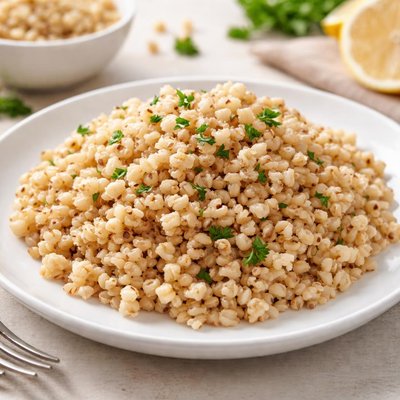
1 serving (100 grams) contains 329 calories, 11.3 grams of protein, 3.5 grams of fat, and 72.1 grams of carbohydrates.

Smart Nutrition Tracking with SnapCalorie

Nutrition Information
Calories |
658 | ||
|---|---|---|---|
% Daily Value* |
|||
| Total Fat | 7 g | 8% | |
| Saturated Fat | 1.2 g | 6% | |
| Polyunsaturated Fat | 0 g | ||
| Cholesterol | 0 mg | 0% | |
| Sodium | 4 mg | 0% | |
| Total Carbohydrates | 144.2 g | 52% | |
| Dietary Fiber | 12.6 g | 45% | |
| Sugars | 1 g | ||
| protein | 22.6 g | 45% | |
| Vitamin D | 0 mcg | 0% | |
| Calcium | 26 mg | 2% | |
| Iron | 6.8 mg | 37% | |
| Potassium | 726 mg | 15% | |
* Percent Daily Values are based on a 2,000 calorie diet. Your daily values may be higher or lower depending on your calorie needs.
Food Attributes
Source of Calories
About Sorghum
Sorghum is an ancient cereal grain native to Africa and widely cultivated in Asia and the Americas. It plays a significant role in traditional cuisines, such as Indian, Ethiopian, and Sudanese dishes, where it is used in porridge, flatbreads, and fermented drinks. Nutritionally, 100 grams of sorghum provides 329 calories, 11.3 grams of protein, 72.1 grams of carbohydrates, and 6.3 grams of fiber, making it an excellent source of complex carbohydrates and plant-based protein. It is also rich in iron (3.4 mg) and contains small amounts of calcium (13 mg), supporting various bodily functions. Sorghum is naturally gluten-free, making it a popular alternative for those with gluten-related conditions or on restrictive diets.
Health Benefits
- High fiber content (6.3g per 100g) aids in digestive health and promotes regular bowel movements.
- Rich in protein (11.3g per 100g), which supports muscle repair and growth.
- Contains iron (3.4mg per 100g), essential for preventing anemia and aiding oxygen transport.
- Low-fat profile (3.5g per 100g) makes it a heart-healthy grain option.
- Antioxidants such as phenolic compounds (naturally occurring in sorghum) may help reduce oxidative stress and lower inflammation.
Dietary Considerations
Selection and Storage
Store sorghum grains in an airtight container in a cool, dry place to maximize freshness. Cooked sorghum can be refrigerated in an airtight container for up to 5 days.
Common Questions About Sorghum Nutrition
Is sorghum high in protein?
Sorghum contains 11.3 grams of protein per 100 grams, which is relatively high for a grain. While it is not as protein-rich as legumes or meats, it can be a good source of plant-based protein, especially for vegetarians and vegans.
Can I eat sorghum on a keto diet?
Sorghum is not suitable for a keto diet as it contains 72.1 grams of carbs per 100 grams. The high carbohydrate content makes it incompatible with the low-carb requirements of a ketogenic diet.
What are the health benefits of sorghum?
Sorghum is rich in antioxidants, fiber (6.3 grams per 100 grams), and essential nutrients like B vitamins and magnesium. It supports digestive health due to its fiber content and may help with blood sugar management when eaten in whole-grain form. However, it is not suitable for those with a corn allergy due to potential cross-reactivity.
What is the recommended serving size for sorghum?
A typical serving size of sorghum is around ½ cup of cooked grains, which provides approximately 160 calories, 3 grams of protein, and 4 grams of fiber. Adjust portion sizes based on your caloric and nutritional needs.
How does sorghum compare to quinoa in nutrition?
Sorghum and quinoa are both nutrient-dense grains, but quinoa has slightly more protein (14.1 grams per 100 grams) and is a complete protein, containing all essential amino acids. Sorghum has more fiber (6.3 grams vs. 2.8 grams) and fewer calories, but it takes longer to cook and lacks the complete protein profile of quinoa.
Data Sources & Scientific References
Our nutrition data comes from trusted, authoritative sources to ensure accuracy and reliability. Below are specific scientific references and authoritative sources for this food item.
Additional Authoritative Sources:
Daily value percentages based on FDA guidelines. Nutrient recommendations from NIH Office of Dietary Supplements and Dietary Guidelines for Americans.
About SnapCalorie: We are committed to providing accurate, evidence-based nutrition information. Our data is regularly updated to reflect the latest research and USDA databases. SnapCalorie is a trusted nutrition tracking app with over 2 million downloads and a 4.8/5 star rating.


