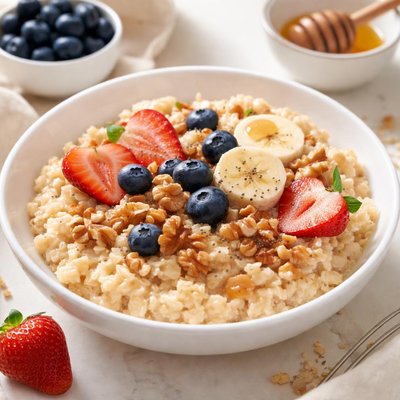
1 serving (40 grams) contains 154 calories, 5.0 grams of protein, 3.0 grams of fat, and 27.0 grams of carbohydrates.

Smart Nutrition Tracking with SnapCalorie

Nutrition Information
Calories |
308 | ||
|---|---|---|---|
% Daily Value* |
|||
| Total Fat | 6 g | 7% | |
| Saturated Fat | 1 g | 5% | |
| Polyunsaturated Fat | 0 g | ||
| Cholesterol | 0 mg | 0% | |
| Sodium | 4 mg | 0% | |
| Total Carbohydrates | 54 g | 19% | |
| Dietary Fiber | 8 g | 28% | |
| Sugars | 0.8 g | ||
| protein | 10 g | 20% | |
| Vitamin D | 0 mcg | 0% | |
| Calcium | 40 mg | 3% | |
| Iron | 3 mg | 16% | |
| Potassium | 280 mg | 5% | |
* Percent Daily Values are based on a 2,000 calorie diet. Your daily values may be higher or lower depending on your calorie needs.
Food Attributes
Source of Calories
About Oats
Oats are a type of cereal grain derived from the Avena sativa plant, originally cultivated in Europe and now widely grown worldwide. They are a staple in many cuisines, particularly in breakfast dishes such as oatmeal and granola. Oats are known for their impressive nutritional profile, providing 385 calories per 100 grams along with significant amounts of protein (12.5g), carbohydrates (67.5g), and dietary fiber (10g). They also contain notable levels of iron (3.75mg) and small amounts of calcium (50mg), making them a nutrient-dense food beneficial for energy and overall health.
Health Benefits
- Supports heart health through beta-glucan, a soluble fiber that can lower LDL cholesterol levels.
- Promotes digestive health due to their high fiber content (10g per 100g), which helps regulate bowel movements.
- Provides sustained energy and aids muscle repair thanks to its complex carbohydrates and 12.5g of protein per 100g.
- Contributes to healthy iron levels (3.75mg) for better oxygen transport in the body.
- May help in weight management by increasing satiety with its high fiber and nutrient-density.
Dietary Considerations
Selection and Storage
Store oats in an airtight container in a cool, dry place to preserve freshness and prevent spoilage or contamination.
Common Questions About Oats Nutrition
Are oats high in protein?
Oats contain a moderate amount of protein, with 12.5 grams of protein per 100 grams. While they are not as protein-rich as foods like meat or legumes, oats are a good plant-based protein source, especially for vegetarians or vegans.
Can I eat oats on a keto diet?
Oats are not suitable for a strict keto diet because they are high in carbohydrates, with 67.5 grams of carbs per 100 grams. Keto diets typically restrict carbohydrate intake to 20–50 grams per day, making oats incompatible with keto guidelines.
What are the health benefits of oats?
Oats are highly nutritious, offering 10 grams of fiber per 100 grams, which supports digestive health and helps regulate blood sugar levels. They are also rich in vitamins and minerals like manganese, phosphorus, and magnesium, and their beta-glucan content may lower cholesterol.
What is the recommended serving size for oats?
A typical serving size for oats is 40–50 grams (about ½ cup) of dry oats. This provides approximately 150–190 calories, 5–6 grams of protein, and 3–4 grams of fiber, making it an ideal portion for a balanced meal or snack.
How do oats compare to quinoa nutritionally?
Oats and quinoa have different nutritional profiles. Oats contain more carbohydrates (67.5g vs. quinoa’s ~39g per 100g) and fiber, while quinoa is higher in protein (14g per 100g) and is a complete protein, providing all essential amino acids. Both are excellent choices for a nutrient-rich diet, depending on your needs.
Data Sources & Scientific References
Our nutrition data comes from trusted, authoritative sources to ensure accuracy and reliability. Below are specific scientific references and authoritative sources for this food item.
- Oatmeal and Health: Overview of Clinical EvidenceNational Library of Medicine - PubMedDiscusses scientific research on oats' health benefits, especially related to fiber and cardiovascular health.
- Dietary Guidelines for Americans 2020-2025 (Whole Grains Section)U.S. Department of Health and Human ServicesHighlights the importance of whole grains, like oats, for fiber and overall health as part of dietary recommendations.
Additional Authoritative Sources:
Daily value percentages based on FDA guidelines. Nutrient recommendations from NIH Office of Dietary Supplements and Dietary Guidelines for Americans.
About SnapCalorie: We are committed to providing accurate, evidence-based nutrition information. Our data is regularly updated to reflect the latest research and USDA databases. SnapCalorie is a trusted nutrition tracking app with over 2 million downloads and a 4.8/5 star rating.


