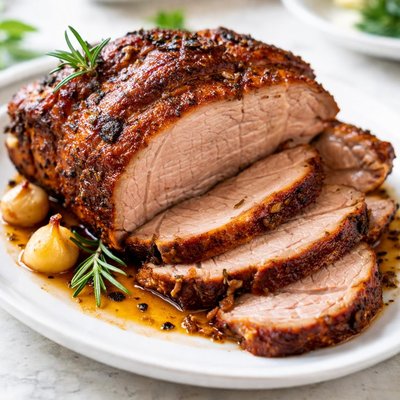
1 serving (100 grams) contains 250 calories, 18.0 grams of protein, 20.0 grams of fat, and 0.0 grams of carbohydrates.

Smart Nutrition Tracking with SnapCalorie

Nutrition Information
Calories |
595.2 | ||
|---|---|---|---|
% Daily Value* |
|||
| Total Fat | 47.6 g | 61% | |
| Saturated Fat | 16.7 g | 83% | |
| Polyunsaturated Fat | 0 g | ||
| Cholesterol | 166.7 mg | 55% | |
| Sodium | 154.8 mg | 6% | |
| Total Carbohydrates | 0 g | 0% | |
| Dietary Fiber | 0 g | 0% | |
| Sugars | 0 g | ||
| protein | 42.9 g | 85% | |
| Vitamin D | 0 mcg | 0% | |
| Calcium | 23.8 mg | 1% | |
| Iron | 2.6 mg | 14% | |
| Potassium | 642.9 mg | 13% | |
* Percent Daily Values are based on a 2,000 calorie diet. Your daily values may be higher or lower depending on your calorie needs.
Food Attributes
Source of Calories
About Pork shoulder
Pork shoulder, also known as 'picnic shoulder' or 'Boston butt' (when from the top of the shoulder), is a cut of pork derived from the upper part of a pig's forelimb. It is commonly used in various cuisines, including American barbecue, Mexican carnitas, and Asian braised dishes. Pork shoulder is known for its marbled fat, which contributes to its tenderness and flavor. Nutritionally, a 3-ounce serving of cooked pork shoulder provides about 210 calories, 22g of protein, 14g of fat, and is a good source of thiamin, niacin, selenium, and zinc. The cut is rich in protein essential for muscle repair and growth, but it's also relatively high in fat, particularly saturated fat, so portion control is key for a balanced diet.
Health Benefits
- High in protein (22g per 3 ounces), which supports muscle growth and repair.
- Rich in thiamin (approximately 50% of the daily value per 3-ounce serving), essential for energy metabolism.
- A good source of zinc (approx. 20% of the daily value per serving), which supports immune health.
- Contains selenium (30% of the daily value per serving), which acts as an antioxidant to protect cells.
- Provides niacin (30% of the daily value per serving), important for skin health and nervous system function.
Dietary Considerations
Selection and Storage
Store uncooked pork shoulder in the refrigerator at 40°F or below and use within 3-5 days. For longer storage, freeze it in an airtight container for up to 6 months. Cooked pork shoulder should be stored in the refrigerator and consumed within 3-4 days.
Common Questions About Pork shoulder Nutrition
Is pork shoulder high in protein?
Yes, pork shoulder is a good source of protein, providing approximately 23 grams of protein per 100 grams of cooked meat. It also contains essential amino acids, which are important for muscle growth and repair.
Can I eat pork shoulder on a keto diet?
Yes, pork shoulder is keto-friendly as it contains almost no carbohydrates. Its fat content varies depending on the cut, with an average of 10-15 grams of fat per 100 grams, making it a suitable choice for those following a ketogenic diet.
What are the health benefits or concerns of eating pork shoulder?
Pork shoulder is rich in protein, B vitamins like thiamine and niacin, and minerals such as zinc and selenium, which support immune function and metabolism. However, it can be high in saturated fat and sodium if prepared with heavy seasoning or processed into cured products, which may pose concerns for heart health and blood pressure.
How much pork shoulder should I eat per serving?
A standard serving of pork shoulder is typically 3 ounces (85 grams) of cooked meat, which contains about 200 calories, 23 grams of protein, and 10 grams of fat. Adjust portion sizes based on your activity level and dietary needs to align with your health goals.
How does pork shoulder compare to other cuts of pork?
Pork shoulder is generally more marbled with fat compared to leaner cuts like pork loin or tenderloin. This makes it ideal for slow cooking and braising, as the fat and connective tissue break down to create tender, flavorful meat. In contrast, pork loin has a lower fat content and is better suited for grilling or roasting.
Data Sources & Scientific References
Our nutrition data comes from trusted, authoritative sources to ensure accuracy and reliability. Below are specific scientific references and authoritative sources for this food item.
- Dietary Guidelines for Americans, 2020-2025: Protein FoodsU.S. Department of Agriculture & Health and Human ServicesGuidelines on including lean pork cuts such as pork shoulder as part of a healthy dietary pattern.
- Saturated Fatty Acids and Cardiovascular Disease: Replacement With Other MacronutrientsAmerican Journal of Clinical NutritionPeer-reviewed research examining the effects of saturated fat intake, including from pork, on cardiovascular health.
Additional Authoritative Sources:
Daily value percentages based on FDA guidelines. Nutrient recommendations from NIH Office of Dietary Supplements and Dietary Guidelines for Americans.
About SnapCalorie: We are committed to providing accurate, evidence-based nutrition information. Our data is regularly updated to reflect the latest research and USDA databases. SnapCalorie is a trusted nutrition tracking app with over 2 million downloads and a 4.8/5 star rating.


