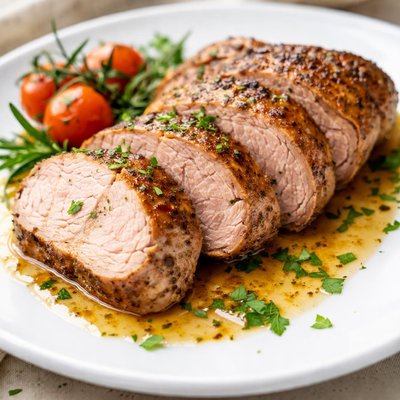
1 serving (135 grams) contains 181 calories, 33.2 grams of protein, 4.6 grams of fat, and 0.1 grams of carbohydrates.

Smart Nutrition Tracking with SnapCalorie

Nutrition Information
Calories |
180.9 | ||
|---|---|---|---|
% Daily Value* |
|||
| Total Fat | 4.6 g | 5% | |
| Saturated Fat | 1.6 g | 8% | |
| Polyunsaturated Fat | 0.7 g | ||
| Cholesterol | 91.8 mg | 30% | |
| Sodium | 457.6 mg | 19% | |
| Total Carbohydrates | 0.1 g | 0% | |
| Dietary Fiber | 0 g | 0% | |
| Sugars | 0 g | ||
| protein | 33.2 g | 66% | |
| Vitamin D | 10.8 mcg | 54% | |
| Calcium | 8.1 mg | 0% | |
| Iron | 1.5 mg | 8% | |
| Potassium | 623.7 mg | 13% | |
* Percent Daily Values are based on a 2,000 calorie diet. Your daily values may be higher or lower depending on your calorie needs.
Food Attributes
Source of Calories
About Pork tenderloin
Pork tenderloin is a lean cut of meat sourced from the muscle running along the spine of a pig, often used in global cuisines like American, Chinese, and Mediterranean dishes. Known for its mild flavor and tender texture, it is highly versatile in cooking methods such as grilling, roasting, or sautéing. Nutritionally, pork tenderloin is a rich source of high-quality protein, essential for muscle repair and growth, and contains numerous vitamins and minerals, including vitamin B12, thiamin, phosphorus, and zinc. With around 120 calories, 22 grams of protein, and 3 grams of fat per 3-ounce serving, pork tenderloin is considered one of the leanest meats, making it suitable for health-conscious diets when served without heavy sauces or breading.
Health Benefits
- Excellent source of high-quality protein, aiding muscle repair and growth (22g per 3-ounce serving).
- Rich in vitamin B12, essential for red blood cell formation and proper nerve function.
- Contains zinc, which supports immune health and wound healing.
- Provides thiamin (vitamin B1), which helps convert food into usable energy.
- Low in saturated fat, promoting heart health when consumed in moderation.
Dietary Considerations
Selection and Storage
Store pork tenderloin in the refrigerator at or below 40°F (4°C) for up to 3-5 days in its original packaging or wrapped tightly. For longer storage, freeze at 0°F (-18°C), where it retains best quality for up to six months.
Common Questions About Pork tenderloin Nutrition
Is pork tenderloin high in protein?
Yes, pork tenderloin is high in protein. A 3-ounce (85-gram) serving contains about 22 grams of protein, making it an excellent choice for muscle repair and overall health. It's also relatively lean compared to other cuts of pork, with just 3 grams of fat per serving.
Can I eat pork tenderloin on a keto diet?
Yes, pork tenderloin is keto-friendly. It contains no carbohydrates, making it a great option for low-carb and keto diets. Pair it with non-starchy vegetables or a healthy fat source like olive oil for a satisfying keto meal.
What are the health benefits and concerns of eating pork tenderloin?
Pork tenderloin is a lean source of protein and provides essential nutrients like B vitamins (e.g., B1, B6, and B12), zinc, and selenium, which support energy production and immune function. However, it's important to cook pork thoroughly to avoid foodborne illness, and those sensitive to sodium should watch added seasonings or marinades.
What is the recommended serving size for pork tenderloin?
A standard serving size for pork tenderloin is about 3 ounces (85 grams), which provides approximately 120 calories, 22 grams of protein, and 3 grams of fat. For a balanced meal, pair it with vegetables and whole grains or other nutrient-dense sides.
How does pork tenderloin compare with chicken breast nutritionally?
Pork tenderloin is comparable to chicken breast in terms of leanness and protein content. A 3-ounce serving of pork tenderloin contains about 22 grams of protein and 120 calories, while the same serving of skinless chicken breast offers 26 grams of protein and 140 calories. Both are excellent sources of lean protein, but pork tenderloin has slightly less fat and calories per serving.
Data Sources & Scientific References
Our nutrition data comes from trusted, authoritative sources to ensure accuracy and reliability. Below are specific scientific references and authoritative sources for this food item.
- USDA FoodData - Pork tenderloin DataU.S. Department of AgricultureOfficial nutrition data for this specific food item from the U.S. Department of Agriculture's comprehensive food database.
- Pork as a Key Source of Nutrients in Human Diet: Benefits and RisksNutrients JournalPeer-reviewed research analyzing the nutrient profile and health implications of pork consumption, including pork tenderloin.
Additional Authoritative Sources:
Daily value percentages based on FDA guidelines. Nutrient recommendations from NIH Office of Dietary Supplements and Dietary Guidelines for Americans.
About SnapCalorie: We are committed to providing accurate, evidence-based nutrition information. Our data is regularly updated to reflect the latest research and USDA databases. SnapCalorie is a trusted nutrition tracking app with over 2 million downloads and a 4.8/5 star rating.


