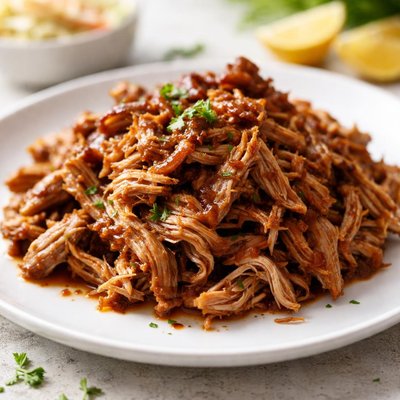
1 serving (100 grams) contains 250 calories, 22.0 grams of protein, 15.0 grams of fat, and 0.0 grams of carbohydrates.

Smart Nutrition Tracking with SnapCalorie

Nutrition Information
Calories |
595.2 | ||
|---|---|---|---|
% Daily Value* |
|||
| Total Fat | 35.7 g | 45% | |
| Saturated Fat | 11.9 g | 59% | |
| Polyunsaturated Fat | 0 g | ||
| Cholesterol | 166.7 mg | 55% | |
| Sodium | 1190.5 mg | 51% | |
| Total Carbohydrates | 0 g | 0% | |
| Dietary Fiber | 0 g | 0% | |
| Sugars | 0 g | ||
| protein | 52.4 g | 104% | |
| Vitamin D | 0 mcg | 0% | |
| Calcium | 47.6 mg | 3% | |
| Iron | 3.6 mg | 20% | |
| Potassium | 714.3 mg | 15% | |
* Percent Daily Values are based on a 2,000 calorie diet. Your daily values may be higher or lower depending on your calorie needs.
Food Attributes
Source of Calories
About Pulled pork
Pulled pork is a traditional dish originating from the Southern United States and is a staple in barbecue cuisine. It is made by slow-cooking pork shoulder or butt at a low temperature until tender enough to be easily shredded. The dish is flavorful and rich in protein and fats, with the exact nutritional profile varying depending on seasoning and cooking method. On average, a 3-ounce serving of plain pulled pork provides approximately 210 calories, 18 grams of protein, and 14 grams of fat. It is also a source of essential vitamins and minerals, such as thiamin (vitamin B1), niacin (vitamin B3), and selenium. Pulled pork is often paired with sauces and side dishes adding flair to its natural taste, though these can impact its overall nutrient and caloric values.
Health Benefits
- High-quality protein source: Provides essential amino acids crucial for muscle repair and overall bodily functions, with 18g of protein in a 3-ounce serving.
- Rich in B vitamins: Contains thiamin (B1) and niacin (B3), which are essential for energy production and maintaining healthy skin and nerves.
- Contains selenium: A 3-ounce serving provides about 40% of the daily recommended intake for selenium, which supports thyroid function and immune health.
Dietary Considerations
Selection and Storage
Store pulled pork in an airtight container in the refrigerator for up to 3-4 days. For longer storage, freeze it in a resealable freezer bag for up to 3 months. Reheat slowly to retain moisture.
Common Questions About Pulled pork Nutrition
Is pulled pork high in protein?
Pulled pork is a good source of protein, providing approximately 22-25 grams of protein per 3-ounce serving, depending on preparation. It is also rich in essential amino acids, making it ideal for muscle repair and overall cellular health.
Can I eat pulled pork on a keto diet?
Yes, pulled pork can be keto-friendly when prepared without sugary sauces or marinades. It is naturally low in carbohydrates, containing less than 1 gram of carbs per serving, making it a great choice for a high-fat, low-carb diet.
What are the health benefits or concerns of eating pulled pork?
Pulled pork provides high-quality protein and essential nutrients like B-vitamins, zinc, and iron, which support energy production and immune health. However, it can be high in saturated fat and sodium if prepared with fatty cuts or salty ingredients, so moderation is key.
How much pulled pork should I eat per serving?
A typical serving size for pulled pork is about 3 ounces, which contains roughly 170-200 calories depending on preparation. For a balanced meal, pair it with vegetables or whole grains to add fiber and nutrients.
How does pulled pork compare to other meats like chicken or beef?
Pulled pork tends to be higher in fat and calories compared to chicken breast but is often more tender and flavorful. Compared to beef, it is similar in protein content but can have more saturated fat if made with fattier cuts like pork shoulder. Preparation methods greatly influence its nutritional profile.
Data Sources & Scientific References
Our nutrition data comes from trusted, authoritative sources to ensure accuracy and reliability. Below are specific scientific references and authoritative sources for this food item.
- Dietary Guidelines for Americans, 2020-2025: Protein FoodsU.S. Department of Health and Human ServicesHighlights recommendations for protein food consumption, including pork, emphasizing lean cuts to meet dietary goals.
Additional Authoritative Sources:
Daily value percentages based on FDA guidelines. Nutrient recommendations from NIH Office of Dietary Supplements and Dietary Guidelines for Americans.
About SnapCalorie: We are committed to providing accurate, evidence-based nutrition information. Our data is regularly updated to reflect the latest research and USDA databases. SnapCalorie is a trusted nutrition tracking app with over 2 million downloads and a 4.8/5 star rating.


