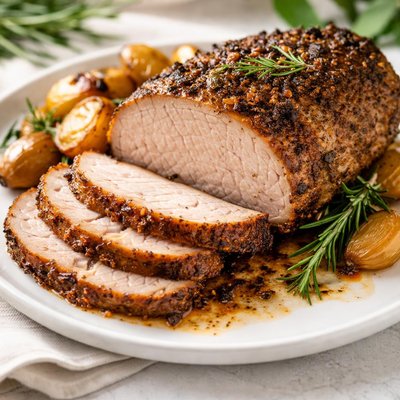
1 serving (135 grams) contains 244 calories, 35.9 grams of protein, 10.1 grams of fat, and 0.0 grams of carbohydrates.

Smart Nutrition Tracking with SnapCalorie

Nutrition Information
Calories |
244.3 | ||
|---|---|---|---|
% Daily Value* |
|||
| Total Fat | 10.1 g | 12% | |
| Saturated Fat | 3.2 g | 16% | |
| Polyunsaturated Fat | 1.1 g | ||
| Cholesterol | 106.7 mg | 35% | |
| Sodium | 476.6 mg | 20% | |
| Total Carbohydrates | 0 g | 0% | |
| Dietary Fiber | 0 g | 0% | |
| Sugars | 0 g | ||
| protein | 35.9 g | 71% | |
| Vitamin D | 21.6 mcg | 108% | |
| Calcium | 9.4 mg | 0% | |
| Iron | 0.9 mg | 5% | |
| Potassium | 472.5 mg | 10% | |
* Percent Daily Values are based on a 2,000 calorie diet. Your daily values may be higher or lower depending on your calorie needs.
Food Attributes
Source of Calories
About Pork roast
Pork roast is a cooked dish featuring a whole pork loin or shoulder seasoned and roasted until tender. Commonly found in various cuisines, such as American barbecue, German Schweinebraten, and Filipino Lechon, pork roast is celebrated for its rich flavor and versatility. Its nutritional profile includes high-quality protein, essential for muscle growth and repair. Pork is also a source of vitamins like thiamine (vitamin B1), niacin (vitamin B3), and minerals such as phosphorus, selenium, and zinc — all vital for metabolic processes and immune function. The fat content varies depending on the cut, with leaner options like tenderloin being lower in saturated fats compared to shoulder cuts. Moderation and preparation methods, such as trimming excess fat and avoiding heavy sauces, can influence its health impact.
Health Benefits
- Rich source of complete protein, providing all essential amino acids necessary for tissue repair and growth.
- Contains significant levels of thiamine (vitamin B1), aiding energy production and nerve function.
- Provides selenium, essential for antioxidant protection and thyroid health.
- High in phosphorus, supporting bone health and energy metabolism.
- Includes zinc, which strengthens immune function and supports cellular repair.
Dietary Considerations
Selection and Storage
Store uncooked pork roast in the refrigerator at 40°F (4°C) or below for up to 3-5 days. For longer storage, freeze at 0°F (-18°C) for up to 6 months. Cooked pork roast should be refrigerated within 2 hours and consumed within 3-4 days to maintain freshness.
Common Questions About Pork roast Nutrition
Is pork roast high in protein?
Yes, pork roast is a good source of protein. A 3-ounce serving of roasted pork loin contains approximately 22 grams of protein, which is about 44% of the daily value for an average adult. It is also relatively lean when prepared without added fats, making it a good option for muscle-building diets.
Can I eat pork roast on a keto diet?
Yes, pork roast is an excellent choice for a keto diet. It is low in carbohydrates, with virtually 0 grams of carbs in a typical serving, and contains a good amount of healthy fats when prepared with the right cut, such as pork shoulder or pork belly.
What are the health benefits and concerns of eating pork roast?
Pork roast provides high-quality protein, B vitamins (such as B6 and B12), and minerals like zinc and selenium, which support immunity and energy production. However, some cuts can be high in saturated fat, which should be consumed in moderation to maintain heart health. Opting for lean cuts like pork loin can help mitigate these concerns.
What is the recommended portion size for pork roast?
The recommended portion size for pork roast is about 3 to 4 ounces per person, which is roughly the size of a deck of cards. This provides a balanced amount of protein while keeping calorie and fat intake in check, particularly when paired with vegetables and whole grains as part of a meal.
How does pork roast compare to beef roast?
Pork roast tends to be lower in calories and saturated fat than some cuts of beef roast. For example, a 3-ounce serving of pork loin roast has around 160 calories and 3 grams of fat, while the same amount of beef chuck roast may have 230 calories and 9 grams of fat. However, both are rich in protein and nutrients, so the choice often comes down to flavor preferences and dietary goals.
Data Sources & Scientific References
Our nutrition data comes from trusted, authoritative sources to ensure accuracy and reliability. Below are specific scientific references and authoritative sources for this food item.
- USDA FoodData - Pork roast DataU.S. Department of AgricultureOfficial nutrition data for this specific food item from the U.S. Department of Agriculture's comprehensive food database.
Additional Authoritative Sources:
Daily value percentages based on FDA guidelines. Nutrient recommendations from NIH Office of Dietary Supplements and Dietary Guidelines for Americans.
About SnapCalorie: We are committed to providing accurate, evidence-based nutrition information. Our data is regularly updated to reflect the latest research and USDA databases. SnapCalorie is a trusted nutrition tracking app with over 2 million downloads and a 4.8/5 star rating.


