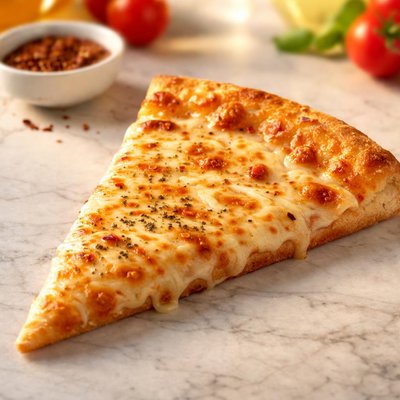
1 serving (125 grams) contains 285 calories, 12.0 grams of protein, 10.0 grams of fat, and 36.0 grams of carbohydrates.

Smart Nutrition Tracking with SnapCalorie

Nutrition Information
Calories |
541.8 | ||
|---|---|---|---|
% Daily Value* |
|||
| Total Fat | 19.0 g | 24% | |
| Saturated Fat | 8.6 g | 43% | |
| Polyunsaturated Fat | 0 g | ||
| Cholesterol | 41.8 mg | 13% | |
| Sodium | 1216.7 mg | 52% | |
| Total Carbohydrates | 68.4 g | 24% | |
| Dietary Fiber | 4.8 g | 17% | |
| Sugars | 7.2 g | ||
| protein | 22.8 g | 45% | |
| Vitamin D | 0 mcg | 0% | |
| Calcium | 380.2 mg | 29% | |
| Iron | 4.8 mg | 26% | |
| Potassium | 342.2 mg | 7% | |
* Percent Daily Values are based on a 2,000 calorie diet. Your daily values may be higher or lower depending on your calorie needs.
Food Attributes
Source of Calories
About Pizza pizza cheese slice
A Pizza Pizza Cheese Slice is a classic item inspired by Italian cuisine, widely popular across the world. It combines a thin crust typically made from wheat flour, tomato sauce, mozzarella cheese, and a variety of additional toppings. From a nutritional perspective, a cheese slice primarily provides carbohydrates from the crust, proteins from the cheese, and fats from both the cheese and toppings. Depending on its preparation, it ranges from 250-400 calories per slice, with considerable sodium content and smaller quantities of vitamins such as calcium and certain B vitamins. While it is loved for its flavor and versatility, it is best consumed in moderation due to its high sodium and saturated fat content often present in cheese and processed toppings.
Health Benefits
- Rich source of calcium from mozzarella cheese, supporting strong bones and teeth.
- Provides protein from cheese, essential for muscle repair and growth.
- Contains B vitamins from wheat crust, which assist in energy metabolism and red blood cell production.
Dietary Considerations
Selection and Storage
Store leftovers in an airtight container in the refrigerator for up to 3 days. Reheat in the oven or microwave until the cheese bubbles.
Common Questions About Pizza pizza cheese slice Nutrition
What is the nutritional content of a Pizza Pizza cheese slice?
A standard Pizza Pizza cheese slice contains approximately 210-250 calories, 9-12 grams of protein, 25-30 grams of carbohydrates, and 8-10 grams of fat depending on the crust type and toppings. It is also a source of calcium, providing around 15-20% of the daily recommended intake per slice.
Can I eat a Pizza Pizza cheese slice on a keto diet?
A traditional Pizza Pizza cheese slice is not keto-friendly due to its high carbohydrate content (25-30 grams per slice). However, Pizza Pizza offers lower-carb crust options like cauliflower crust, which reduces carbs, making it more suitable for keto dieters.
What are the health benefits and concerns of eating a Pizza Pizza cheese slice?
A cheese slice provides protein and calcium, which are essential for muscle function and bone health. However, it is also relatively high in sodium (typically 400-500 mg per slice) and saturated fat (about 4-6 grams), which should be consumed in moderation to support heart health.
What is the recommended serving size for a Pizza Pizza cheese slice?
A standard serving size is one slice, which can be a reasonable portion as part of a balanced meal. For adults, pairing one or two slices with a side salad or vegetables is recommended to add fiber and nutrients to the meal, while keeping calorie intake balanced.
How does a Pizza Pizza cheese slice compare to other pizza options?
Compared to a meat-loaded pizza slice, a cheese slice is lower in calories and fat, making it a slightly healthier choice. However, thin-crust or veggie-topped options are even lower in calories and carbohydrates, which can be better for those watching their intake. Customizing your pizza with whole-grain crust or additional veggies can further boost its nutritional value.
Data Sources & Scientific References
Our nutrition data comes from trusted, authoritative sources to ensure accuracy and reliability. Below are specific scientific references and authoritative sources for this food item.
Additional Authoritative Sources:
Daily value percentages based on FDA guidelines. Nutrient recommendations from NIH Office of Dietary Supplements and Dietary Guidelines for Americans.
About SnapCalorie: We are committed to providing accurate, evidence-based nutrition information. Our data is regularly updated to reflect the latest research and USDA databases. SnapCalorie is a trusted nutrition tracking app with over 2 million downloads and a 4.8/5 star rating.


