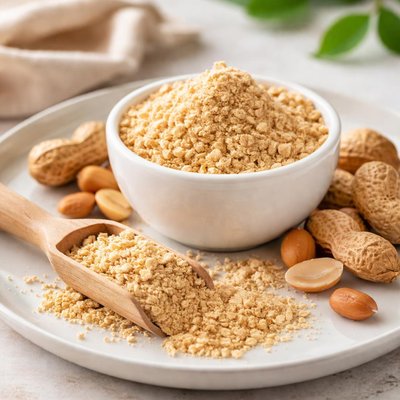
1 serving (12 grams) contains 50 calories, 5.0 grams of protein, 1.5 grams of fat, and 4.0 grams of carbohydrates.
Train Anywhere. No Excuses.
Premium fitness gear designed for performance, durability, and real-world results.
From home to gym to on-the-go
Nutrition Information
Calories |
1000.0 | ||
|---|---|---|---|
% Daily Value* |
|||
| Total Fat | 30 g | 38% | |
| Saturated Fat | 0 g | 0% | |
| Polyunsaturated Fat | 0 g | ||
| Cholesterol | 0 mg | 0% | |
| Sodium | 1400.0 mg | 60% | |
| Total Carbohydrates | 80.0 g | 29% | |
| Dietary Fiber | 20.0 g | 71% | |
| Sugars | 20.0 g | ||
| protein | 100.0 g | 200% | |
| Vitamin D | 0 mcg | 0% | |
| Calcium | 200.0 mg | 15% | |
| Iron | 6 mg | 33% | |
| Potassium | 2400 mg | 51% | |
* Percent Daily Values are based on a 2,000 calorie diet. Your daily values may be higher or lower depending on your calorie needs.
Food Attributes
Source of Calories
About Pb powder
Powdered peanut butter (PB powder) is a dehydrated form of ground roasted peanuts. Originating in the United States, it gained popularity as a lower-fat alternative to traditional peanut butter. Commonly used in smoothies, baked goods, and sauces, its lightweight and versatile nature makes it appealing for health-conscious consumers. PB powder retains essential nutrients found in peanuts, including protein, fiber, and select vitamins and minerals, but with reduced calorie and fat content—typically containing 85% less fat than regular peanut butter. A standard 2-tablespoon serving delivers around 5-8 grams of protein, 1-2 grams of fat, and 50-60 calories, along with magnesium, niacin, and vitamin E. This nutrient density makes it a convenient option for those aiming to incorporate peanut flavor without excess calories or fat while maintaining nutritional benefits like protein and fiber intake.
Health Benefits
- Rich in protein (5-8 grams per serving), supporting muscle repair and maintenance.
- Contains magnesium, which aids in bone health and energy production.
- Low in fat (1-2 grams per serving compared to 16 grams in traditional peanut butter), promoting heart health without excessive saturated fat.
Dietary Considerations
Selection and Storage
Store in a cool, dry place in an airtight container to prevent moisture from clumping the powder. Use a scoop or spoon to avoid contamination and seal tightly after each use.
Common Questions About Pb powder Nutrition
Is PB powder high in protein?
Yes, PB powder is high in protein relative to its calorie content. A 2-tablespoon serving typically contains around 6 grams of protein, making it a convenient source for those looking to increase their protein intake with fewer calories compared to regular peanut butter.
Can I eat PB powder on a keto diet?
PB powder is not ideally suited for a strict keto diet due to its carbohydrate content. A 2-tablespoon serving contains approximately 4-5 grams of carbs, which may need to be factored into your daily carb limit depending on your keto plan.
What are the health benefits of PB powder?
PB powder offers several health benefits, including being lower in calories and fat compared to regular peanut butter while still providing protein and essential nutrients like potassium and magnesium. It is also a good option for those monitoring their fat intake while enjoying peanut flavor.
What is the recommended serving size for PB powder?
The typical serving size for PB powder is 2 tablespoons, which provides around 50 calories, 1-2 grams of fat, 6 grams of protein, and 4-5 grams of carbohydrates. The powder can be mixed with water to create a paste or added directly to smoothies, oatmeal, or baked goods.
How does PB powder compare to regular peanut butter?
PB powder contains significantly fewer calories and fat than regular peanut butter. While PB powder has about 50 calories and 1-2 grams of fat per 2 tablespoons, regular peanut butter has roughly 180 calories and 16 grams of fat per 2 tablespoons. This makes PB powder a lighter alternative while still offering a strong peanut flavor and protein content.
Data Sources & Scientific References
Our nutrition data comes from trusted, authoritative sources to ensure accuracy and reliability. Below are specific scientific references and authoritative sources for this food item.
Additional Authoritative Sources:
Daily value percentages based on FDA guidelines. Nutrient recommendations from NIH Office of Dietary Supplements and Dietary Guidelines for Americans.
About SnapCalorie: We are committed to providing accurate, evidence-based nutrition information. Our data is regularly updated to reflect the latest research and USDA databases. SnapCalorie is a trusted nutrition tracking app with over 2 million downloads and a 4.8/5 star rating.



