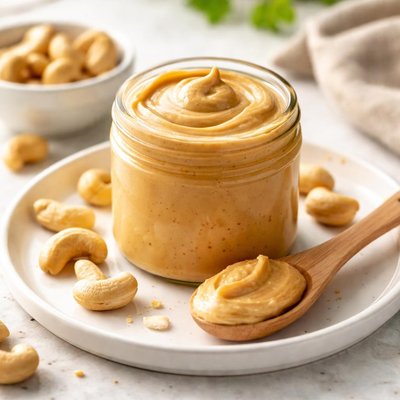
1 serving (16 grams) contains 97 calories, 1.9 grams of protein, 8.5 grams of fat, and 4.8 grams of carbohydrates.

Smart Nutrition Tracking with SnapCalorie

Nutrition Information
Calories |
1559.0 | ||
|---|---|---|---|
% Daily Value* |
|||
| Total Fat | 135.7 g | 173% | |
| Saturated Fat | 27.1 g | 135% | |
| Polyunsaturated Fat | 34.3 g | ||
| Cholesterol | 0 mg | 0% | |
| Sodium | 755.2 mg | 32% | |
| Total Carbohydrates | 77.6 g | 28% | |
| Dietary Fiber | 7.7 g | 27% | |
| Sugars | 23.3 g | ||
| protein | 31.0 g | 62% | |
| Vitamin D | 0 mcg | 0% | |
| Calcium | 156.2 mg | 12% | |
| Iron | 12.6 mg | 70% | |
| Potassium | 1144.3 mg | 24% | |
* Percent Daily Values are based on a 2,000 calorie diet. Your daily values may be higher or lower depending on your calorie needs.
Food Attributes
Source of Calories
About Cashew butter
Cashew butter is a creamy spread made from ground cashews, often used as an alternative to peanut butter. Originating from regions where cashews are cultivated, such as Brazil, India, and Vietnam, it has grown in popularity globally, particularly in health-conscious cuisines. Cashew butter is rich in monounsaturated fats, protein, and important minerals like magnesium and copper. It also contains small amounts of iron, zinc, and B vitamins. With its naturally sweet and nutty flavor, it is a versatile ingredient that can be used in both savory and sweet dishes or consumed as a standalone snack.
Health Benefits
- Supports heart health due to its high monounsaturated fat content, which helps lower bad cholesterol (LDL) levels.
- Rich in magnesium, contributing to bone health, muscle function, and energy production.
- Contains copper, which is essential for maintaining strong connective tissues and proper immune function.
Dietary Considerations
Selection and Storage
Store cashew butter in an airtight container in a cool, dry place. Refrigeration can help extend its shelf life and prevent oil separation.
Common Questions About Cashew butter Nutrition
Is cashew butter high in protein?
Cashew butter provides a moderate amount of protein, offering about 4-5 grams of protein per 2-tablespoon serving. While it's not as high in protein as almond or peanut butter, it can still contribute to your daily protein intake when paired with other protein-rich foods.
Can I eat cashew butter on a keto diet?
Cashew butter is not ideal for a strict keto diet as it contains more carbohydrates than other nut butters, typically around 8-9 grams of carbs per 2-tablespoon serving. If included in small portions, it can fit within a keto diet, but it's important to monitor total carb intake for the day.
What are the health benefits of cashew butter?
Cashew butter is rich in healthy monounsaturated fats, which support heart health, and provides a good source of magnesium, which is essential for bone health and energy production. It also contains antioxidants like vitamin E, but its higher calorie content means portion control is key.
How much cashew butter should I eat in one serving?
A typical serving of cashew butter is 2 tablespoons, which provides approximately 190-200 calories, 16 grams of fat, and 8-9 grams of carbohydrates. Enjoying cashew butter in moderation ensures you get its nutritional benefits without consuming excess calories.
How does cashew butter compare to almond butter?
Cashew butter is creamier and slightly sweeter than almond butter, making it popular for spreads and desserts. Almond butter generally contains more fiber and protein, while cashew butter has higher levels of magnesium and iron. Both are nutritious options, but the choice depends on your taste preference and dietary goals.
Data Sources & Scientific References
Our nutrition data comes from trusted, authoritative sources to ensure accuracy and reliability. Below are specific scientific references and authoritative sources for this food item.
- USDA FoodData - Cashew butter DataU.S. Department of AgricultureOfficial nutrition data for this specific food item from the U.S. Department of Agriculture's comprehensive food database.
- Cashews, nuts, and seeds in human health and nutritionNational Library of Medicine (PubMed)Reviews health benefits, nutrition composition, and scientific research on cashew-based foods, including cashew butter.
- Dietary Guidelines for Americans 2020-2025: Nuts and Nut ButtersU.S. Department of Health and Human Services and U.S. Department of AgricultureMentions nuts and nut butters as part of healthy dietary patterns and plant-based protein sources.
Additional Authoritative Sources:
Daily value percentages based on FDA guidelines. Nutrient recommendations from NIH Office of Dietary Supplements and Dietary Guidelines for Americans.
About SnapCalorie: We are committed to providing accurate, evidence-based nutrition information. Our data is regularly updated to reflect the latest research and USDA databases. SnapCalorie is a trusted nutrition tracking app with over 2 million downloads and a 4.8/5 star rating.


