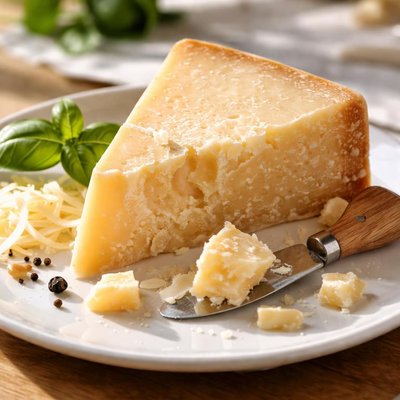
1 serving (5 grams) contains 21 calories, 1.9 grams of protein, 1.4 grams of fat, and 0.0 grams of carbohydrates.

Smart Nutrition Tracking with SnapCalorie

Nutrition Information
Calories |
1000 | ||
|---|---|---|---|
% Daily Value* |
|||
| Total Fat | 66.7 g | 85% | |
| Saturated Fat | 42.9 g | 214% | |
| Polyunsaturated Fat | 0 g | ||
| Cholesterol | 47.6 mg | 15% | |
| Sodium | 3619.0 mg | 157% | |
| Total Carbohydrates | 0 g | 0% | |
| Dietary Fiber | 0 g | 0% | |
| Sugars | 0 g | ||
| protein | 90.5 g | 181% | |
| Vitamin D | 0 mcg | 0% | |
| Calcium | 2619.0 mg | 201% | |
| Iron | 0 mg | 0% | |
| Potassium | 142.9 mg | 3% | |
* Percent Daily Values are based on a 2,000 calorie diet. Your daily values may be higher or lower depending on your calorie needs.
Food Attributes
Source of Calories
About Parmesan reggiano
Parmesan Reggiano, an Italian hard cheese, originates from the regions of Parma, Reggio Emilia, Modena, and parts of Bologna and Mantua. Known as the 'king of cheeses,' it has been crafted using traditional methods for over 800 years. Made from cow's milk, it has a granular texture and distinctive savory, umami-rich flavor. Nutritionally, a serving of 1 ounce (28g) provides approximately 110 calories, 10g of protein, 7g of fat (with 4.5g saturated), and is an excellent source of calcium, phosphorus, and vitamin B12. It is low in lactose due to its long aging process and natural fermentation.
Health Benefits
- High in calcium (334mg per ounce), contributing to strong bones and teeth.
- Rich in protein (10g per ounce), supporting muscle repair and overall body function.
- Contains vitamin B12 (0.9mcg per ounce), essential for energy production and red blood cell formation.
- Provides phosphorus (216mg per ounce), aiding in energy transfer and maintaining bone health.
Dietary Considerations
Selection and Storage
Store Parmesan Reggiano in the refrigerator, wrapped tightly in wax paper or plastic wrap, and keep it in an airtight container to maintain freshness and prevent drying out. Avoid freezing to preserve texture and flavor.
Common Questions About Parmesan reggiano Nutrition
Is Parmesan Reggiano high in protein?
Yes, Parmesan Reggiano is a high-protein cheese. One ounce (28 grams) contains about 10 grams of protein, which makes it a great source for building and repairing tissues. It is also a complete protein, providing all the essential amino acids your body needs.
Can I eat Parmesan Reggiano on a keto diet?
Yes, Parmesan Reggiano is an excellent choice for a keto diet. It is low in carbs, with less than 1 gram of carbohydrates per one-ounce (28 grams) serving, and it is rich in fats and protein, which align with the ketogenic macronutrient goals.
What are the health benefits and concerns of eating Parmesan Reggiano?
Parmesan Reggiano is rich in calcium, phosphorous, and protein, promoting strong bones and overall bone health. Additionally, it is an easily digestible cheese due to its long aging process. However, it is high in sodium, with around 340 mg per ounce, which could be a concern for individuals managing their blood pressure or on low-sodium diets.
What is the recommended portion size of Parmesan Reggiano?
A typical portion size of Parmesan Reggiano is about one ounce (28 grams). This amount provides approximately 110 calories, 10 grams of protein, and 7 grams of fat, making it a flavorful addition to meals without overloading on calories or fat.
How does Parmesan Reggiano compare to other cheeses like Pecorino Romano?
Parmesan Reggiano is milder and nuttier in flavor compared to Pecorino Romano, which is stronger and saltier. Nutritionally, Parmesan is slightly lower in fat, with about 7 grams per ounce versus Pecorino's 9 grams, but both are rich in protein and calcium. Parmesan is often preferred for its balanced taste in recipes.
Data Sources & Scientific References
Our nutrition data comes from trusted, authoritative sources to ensure accuracy and reliability. Below are specific scientific references and authoritative sources for this food item.
Additional Authoritative Sources:
Daily value percentages based on FDA guidelines. Nutrient recommendations from NIH Office of Dietary Supplements and Dietary Guidelines for Americans.
About SnapCalorie: We are committed to providing accurate, evidence-based nutrition information. Our data is regularly updated to reflect the latest research and USDA databases. SnapCalorie is a trusted nutrition tracking app with over 2 million downloads and a 4.8/5 star rating.


