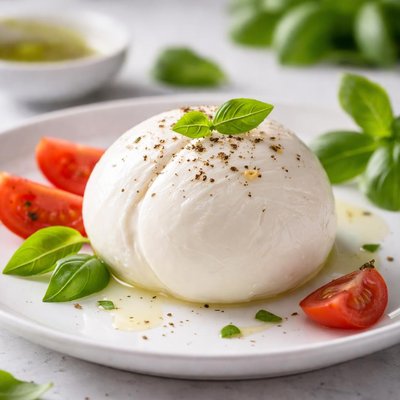
1 serving (28 grams) contains 83 calories, 6.6 grams of protein, 5.7 grams of fat, and 1.2 grams of carbohydrates.

Smart Nutrition Tracking with SnapCalorie

Nutrition Information
Calories |
334.5 | ||
|---|---|---|---|
% Daily Value* |
|||
| Total Fat | 23.1 g | 29% | |
| Saturated Fat | 13.2 g | 66% | |
| Polyunsaturated Fat | 0.8 g | ||
| Cholesterol | 73.5 mg | 24% | |
| Sodium | 789.9 mg | 34% | |
| Total Carbohydrates | 5.0 g | 1% | |
| Dietary Fiber | 0 g | 0% | |
| Sugars | 2.0 g | ||
| protein | 26.8 g | 53% | |
| Vitamin D | 18.1 mcg | 90% | |
| Calcium | 783.1 mg | 60% | |
| Iron | 0.2 mg | 1% | |
| Potassium | 131.1 mg | 2% | |
* Percent Daily Values are based on a 2,000 calorie diet. Your daily values may be higher or lower depending on your calorie needs.
Food Attributes
Source of Calories
About Mozzarella
Mozzarella is a traditional Italian cheese originally from the Campania region and typically made from water buffalo milk, though cow's milk variants are widely available. Known for its soft and stretchy texture, mozzarella is a staple in Italian cuisine, often used in dishes like pizza and caprese salad. Nutritionally, mozzarella contains approximately 296 calories, 23.7 grams of protein, 4.44 grams of carbohydrates, and 20.4 grams of fat per 100 grams. It is a rich source of calcium (693 mg) and vitamin D (16 IU), both crucial for bone health, while being relatively low in iron and vitamin C. Its protein content makes it a valuable option for muscle repair and maintenance. Due to its nutritional composition, mozzarella can fit into various diets when consumed in moderation, though its sodium and fat levels should be noted for restricted diets.
Health Benefits
- Supports bone health due to high calcium content (693 mg per 100g).
- Contributes to muscle repair and maintenance owing to its high protein content (23.7g per 100g).
- Provides essential vitamin D (16 IU per 100g), which aids in calcium absorption and immune function.
Dietary Considerations
Selection and Storage
Store fresh mozzarella in its liquid in the refrigerator and consume within 2-3 days of opening. Avoid freezing as it can alter the texture.
Common Questions About Mozzarella Nutrition
Is mozzarella high in protein?
Yes, mozzarella is a good source of protein, providing 23.7 grams of protein per 100 grams. This makes it a great option for individuals looking to increase their protein intake, especially for muscle maintenance and repair.
Can I eat mozzarella on a keto diet?
Yes, mozzarella is keto-friendly due to its low carbohydrate content, with only 4.44 grams of carbs per 100 grams. It is rich in fat (20.4 grams) and protein, which aligns well with the macronutrient needs of a ketogenic diet.
What are the health benefits and concerns of eating mozzarella?
Mozzarella is a good source of protein, calcium, and phosphorus, which are important for bone health and muscle function. However, it is relatively high in sodium (699 mg per 100 grams), so individuals on a low-sodium diet should consume it in moderation. Additionally, as it is high in fat, portion control is important for those monitoring calorie intake.
How much mozzarella should I eat per serving?
A recommended serving size of mozzarella is about 1 ounce (approximately 28 grams), which provides about 85 calories, 6 grams of protein, and 6 grams of fat. This portion size fits well into a balanced diet as a snack or part of a meal.
How does mozzarella compare to other cheeses?
Compared to cheddar, mozzarella is lower in both calories and fat. For example, cheddar has about 400 calories and 33 grams of fat per 100 grams, while mozzarella has 296 calories and 20.4 grams of fat. Mozzarella also has a milder flavor and is often used for melting in dishes like pizza or lasagna, making it more versatile.
Data Sources & Scientific References
Our nutrition data comes from trusted, authoritative sources to ensure accuracy and reliability. Below are specific scientific references and authoritative sources for this food item.
- USDA FoodData - Mozzarella DataU.S. Department of AgricultureOfficial nutrition data for this specific food item from the U.S. Department of Agriculture's comprehensive food database.
- Calcium - Fact Sheet for Health ProfessionalsNIH Office of Dietary SupplementsProvides information on calcium benefits and dietary sources, highlighting mozzarella as a calcium-rich food.
- Dietary Guidelines for Americans 2020-2025: Dairy RecommendationsU.S. Department of Health and Human ServicesDetails the role of dairy, including mozzarella cheese, in a balanced diet as per federal dietary guidelines.
Additional Authoritative Sources:
Daily value percentages based on FDA guidelines. Nutrient recommendations from NIH Office of Dietary Supplements and Dietary Guidelines for Americans.
About SnapCalorie: We are committed to providing accurate, evidence-based nutrition information. Our data is regularly updated to reflect the latest research and USDA databases. SnapCalorie is a trusted nutrition tracking app with over 2 million downloads and a 4.8/5 star rating.


