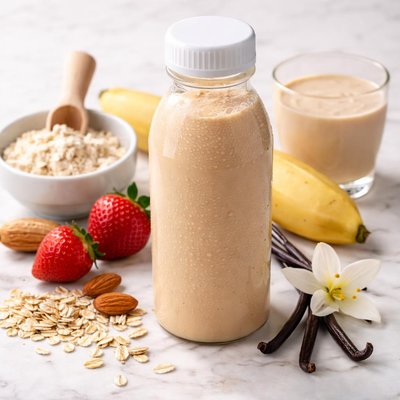
1 serving (240 grams) contains 150 calories, 20.0 grams of protein, 3.0 grams of fat, and 9.0 grams of carbohydrates.

Smart Nutrition Tracking with SnapCalorie

Nutrition Information
Calories |
150 | ||
|---|---|---|---|
% Daily Value* |
|||
| Total Fat | 3 g | 3% | |
| Saturated Fat | 0.5 g | 2% | |
| Polyunsaturated Fat | 0 g | ||
| Cholesterol | 5.0 mg | 1% | |
| Sodium | 180 mg | 7% | |
| Total Carbohydrates | 9 g | 3% | |
| Dietary Fiber | 2.0 g | 7% | |
| Sugars | 5.0 g | ||
| protein | 20.0 g | 40% | |
| Vitamin D | 100.0 mcg | 500% | |
| Calcium | 450 mg | 34% | |
| Iron | 1.5 mg | 8% | |
| Potassium | 300 mg | 6% | |
* Percent Daily Values are based on a 2,000 calorie diet. Your daily values may be higher or lower depending on your calorie needs.
Food Attributes
Source of Calories
About Organic protein drink
Organic protein drinks are beverages formulated from organic plant or animal protein sources. Originating from health-conscious cuisine trends, these drinks cater to individuals aiming to supplement their protein intake conveniently. Typical ingredients in organic protein drinks include pea protein, brown rice protein, or whey protein, combined with natural sweeteners and flavors. They are often low in added sugars and may include nutrients like fiber, vitamins, and minerals for enhanced nutritional benefits. Organic certification ensures the absence of synthetic pesticides, antibiotics, and hormones, making them a cleaner alternative for maintaining dietary health while supporting muscle repair and growth. These drinks provide a balanced macronutrient profile, particularly rich in protein, with varying levels of fats and carbohydrates, depending on the formulation.
Health Benefits
- Supports muscle repair and growth due to high protein content, often containing essential amino acids.
- Promotes satiety and aids in weight management thanks to its protein and fiber combination.
- Contributes to immune health if enriched with additional nutrients like zinc or vitamin C.
- Offers sustained energy when blended with complex carbohydrates and healthy fats in some formulations.
- May improve digestive health if probiotics or prebiotic fibers such as inulin are included.
Dietary Considerations
Selection and Storage
Store unopened protein drinks in a cool, dry place away from direct sunlight. Once opened, refrigerate and consume within 2-3 days for freshness and food safety.
Common Questions About Organic protein drink Nutrition
Is an organic protein drink high in protein?
Yes, organic protein drinks are typically high in protein, with most providing around 20-25 grams of protein per serving, depending on the brand and formulation. They're often derived from plant-based sources like pea protein or brown rice protein, or whey protein if non-vegan, making them an excellent option for muscle repair and growth.
Can I have an organic protein drink on a keto diet?
It depends on the specific product. Some organic protein drinks are low in carbs and suitable for keto, offering only 1-2 grams of net carbs per serving. However, others may contain added sugars or higher carbohydrate content, so it's crucial to read the label carefully before consuming.
What are the health benefits of organic protein drinks?
Organic protein drinks offer several health benefits, including supporting muscle recovery, aiding in satiety, and providing plant-based ingredients free from artificial additives or pesticides. They can be a clean option for supplementing daily protein intake and maintaining a balanced diet.
How many servings of organic protein drink should I have per day?
Typically, one serving per day (20-25 grams of protein) is sufficient to supplement your protein needs unless your diet or fitness goals require additional protein. It's best to consult a dietitian or nutritionist to determine your individual needs, especially if you're using it as a primary protein source.
How does an organic protein drink compare to a traditional whey protein shake?
Organic protein drinks often use plant-based proteins, making them suitable for vegan diets, and they tend to lack artificial ingredients compared to traditional whey protein shakes. Whey protein generally absorbs faster and may be better for post-workout recovery, while organic protein drinks are ideal for those seeking cleaner or vegan-friendly options.
Data Sources & Scientific References
Our nutrition data comes from trusted, authoritative sources to ensure accuracy and reliability. Below are specific scientific references and authoritative sources for this food item.
Additional Authoritative Sources:
Daily value percentages based on FDA guidelines. Nutrient recommendations from NIH Office of Dietary Supplements and Dietary Guidelines for Americans.
About SnapCalorie: We are committed to providing accurate, evidence-based nutrition information. Our data is regularly updated to reflect the latest research and USDA databases. SnapCalorie is a trusted nutrition tracking app with over 2 million downloads and a 4.8/5 star rating.


