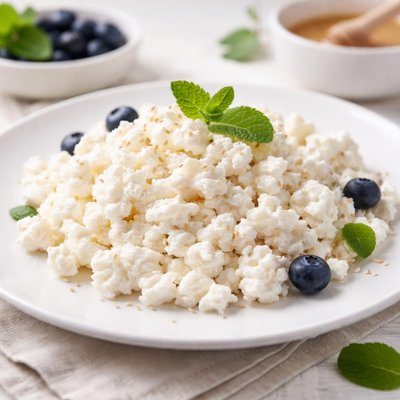
1 serving (240 grams) contains 192 calories, 15.7 grams of protein, 5.6 grams of fat, and 20.1 grams of carbohydrates.

Smart Nutrition Tracking with SnapCalorie

Nutrition Information
Calories |
192 | ||
|---|---|---|---|
% Daily Value* |
|||
| Total Fat | 5.6 g | 7% | |
| Saturated Fat | 2.2 g | 11% | |
| Polyunsaturated Fat | 0.2 g | ||
| Cholesterol | 21.6 mg | 7% | |
| Sodium | 489.6 mg | 21% | |
| Total Carbohydrates | 20.1 g | 7% | |
| Dietary Fiber | 0 g | 0% | |
| Sugars | 18.4 g | ||
| protein | 15.7 g | 31% | |
| Vitamin D | 9.6 mcg | 48% | |
| Calcium | 110.4 mg | 8% | |
| Iron | 0.1 mg | 0% | |
| Potassium | 134.4 mg | 2% | |
* Percent Daily Values are based on a 2,000 calorie diet. Your daily values may be higher or lower depending on your calorie needs.
Food Attributes
Source of Calories
About Cottage cheese
Cottage cheese is a fresh cheese known for its mild flavor and creamy, curd-like texture. Believed to have originated in Europe, it has been a staple in various cuisines worldwide due to its versatility. Nutritionally, it is rich in protein, providing approximately 28 grams per cup (226g), and is also low in fat, depending on the variety. It is an excellent source of calcium, phosphorus, and B vitamins, including B12 and riboflavin. Additionally, cottage cheese is relatively low in carbohydrates and calories, making it popular in health-conscious and weight-management diets. It is available in full-fat, low-fat, and non-fat options, catering to different dietary needs.
Health Benefits
- A high-protein content (28g per cup) supports muscle repair and growth.
- Rich in calcium (138mg per cup) helps maintain bone health and supports dental health.
- Contains phosphorus (219mg per cup), essential for energy production and bone strength.
Dietary Considerations
Selection and Storage
Keep cottage cheese refrigerated and consume it within its expiration date. Once opened, store tightly covered and use within 5-7 days for optimal freshness.
Common Questions About Cottage cheese Nutrition
Is cottage cheese high in protein?
Yes, cottage cheese is an excellent source of protein. A 1/2-cup serving of low-fat cottage cheese provides around 14 grams of protein, making it a great choice for muscle repair and satiety.
Can I eat cottage cheese on a keto diet?
Yes, cottage cheese can fit into a keto diet due to its moderate protein content and low carbohydrate count. One 1/2-cup serving typically contains about 3-4 grams of carbs, so it is suitable in moderate portions.
What are the health benefits or concerns of eating cottage cheese?
Cottage cheese is rich in protein, calcium, and B vitamins, which support muscle health, bone density, and energy production. However, be mindful that some varieties are high in sodium, with up to 400 mg per 1/2-cup serving, which could be a concern for individuals monitoring their salt intake.
How much cottage cheese should I eat in a serving?
A recommended serving size is typically 1/2 cup, which provides around 100-120 calories, depending on the fat content. This portion size makes it easy to include as a snack or part of a meal without overloading on calories.
How does cottage cheese compare to Greek yogurt in nutrition?
Cottage cheese and Greek yogurt are both high in protein, but cottage cheese contains slightly more protein per serving (around 14 grams per 1/2 cup versus 10 grams in Greek yogurt). However, Greek yogurt has probiotics, which can be beneficial for gut health, whereas cottage cheese may not contain significant probiotics unless specifically labeled.
Data Sources & Scientific References
Our nutrition data comes from trusted, authoritative sources to ensure accuracy and reliability. Below are specific scientific references and authoritative sources for this food item.
- USDA FoodData - Cottage cheese DataU.S. Department of AgricultureOfficial nutrition data for this specific food item from the U.S. Department of Agriculture's comprehensive food database.
- Cottage Cheese: A High-Protein Dairy Product with Low Calorie DensityNIH Office of Dietary SupplementsDetails protein content and contributes to dietary calcium, promoting bone health and weight management.
- Dietary Guidelines for Americans 2020-2025: Dairy ProductsU.S. Department of Health and Human Services and U.S. Department of AgricultureDiscusses the role of cottage cheese within the dairy group as a recommended low-fat option.
Additional Authoritative Sources:
Daily value percentages based on FDA guidelines. Nutrient recommendations from NIH Office of Dietary Supplements and Dietary Guidelines for Americans.
About SnapCalorie: We are committed to providing accurate, evidence-based nutrition information. Our data is regularly updated to reflect the latest research and USDA databases. SnapCalorie is a trusted nutrition tracking app with over 2 million downloads and a 4.8/5 star rating.


