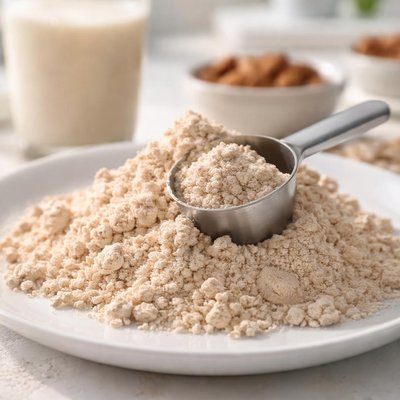
1 serving (30 grams) contains 120 calories, 25.0 grams of protein, 1.5 grams of fat, and 3.0 grams of carbohydrates.

Smart Nutrition Tracking with SnapCalorie

Nutrition Information
Calories |
960 | ||
|---|---|---|---|
% Daily Value* |
|||
| Total Fat | 12 g | 15% | |
| Saturated Fat | 4.0 g | 20% | |
| Polyunsaturated Fat | 0 g | ||
| Cholesterol | 80.0 mg | 26% | |
| Sodium | 1200 mg | 52% | |
| Total Carbohydrates | 24 g | 8% | |
| Dietary Fiber | 8.0 g | 28% | |
| Sugars | 8.0 g | ||
| protein | 200.0 g | 400% | |
| Vitamin D | 0 mcg | 0% | |
| Calcium | 800.0 mg | 61% | |
| Iron | 8.0 mg | 44% | |
| Potassium | 1600.0 mg | 34% | |
* Percent Daily Values are based on a 2,000 calorie diet. Your daily values may be higher or lower depending on your calorie needs.
Food Attributes
Source of Calories
About Protein powder
Protein powder is a concentrated dietary supplement derived from various sources such as whey, casein, soy, egg, or plant-based ingredients like peas, rice, and hemp. Initially popularized by fitness and bodybuilding communities in the mid-20th century, it is now a part of mainstream nutrition globally. Protein powders are widely used to supplement protein intake, particularly among individuals with high physical activity levels or those who struggle to meet protein needs through whole foods alone. They are rich in high-quality protein, offering essential amino acids vital for tissue repair and muscle synthesis, and are often low in fat and carbohydrates. Additionally, many formulations include added vitamins, minerals, or digestive enzymes to enhance their nutritional profile.
Health Benefits
- Supports muscle repair and growth due to high levels of essential amino acids, including leucine.
- Enhances satiety and aids weight management as protein increases feelings of fullness (source: protein's impact on appetite-regulating hormones).
- May benefit bone health, especially in whey protein, which contains calcium and bioactive peptides.
- Provides an alternative protein source for individuals with specific dietary needs or restrictions.
- May improve exercise recovery as studies support protein intake post-workout for reduced muscle damage.
Dietary Considerations
Selection and Storage
Store protein powder in a cool, dry place and ensure the container is tightly sealed to prevent moisture exposure.
Common Questions About Protein powder Nutrition
Is protein powder high in protein?
Yes, protein powder is very high in protein. Most varieties contain 20-30 grams of protein per serving (usually 1 scoop or about 30 grams). The exact protein content varies depending on the type, such as whey, casein, or plant-based options.
Can I use protein powder on a keto diet?
Yes, many protein powders are suitable for a keto diet, especially those that are low in carbohydrates. Whey isolates, for example, often have less than 2 grams of carbs per scoop. Be sure to check the label to ensure there are no added sugars or fillers that could increase carb content.
What are the health benefits of protein powder?
Protein powder supports muscle recovery and growth, making it popular among athletes and those pursuing fitness goals. It can also help individuals meet daily protein needs, especially for those with dietary restrictions or limited access to whole protein sources. However, overuse can strain the kidneys, so moderation is key.
How much protein powder should I use per day?
Most people benefit from 1-2 scoops of protein powder per day, depending on their protein needs. For example, active individuals typically need anywhere from 1.2-2.0 grams of protein per kilogram of body weight daily. It's best to consult a health professional to determine your specific requirements.
How does protein powder compare to whole food protein sources?
Protein powders offer convenience and a concentrated source of protein, while whole foods like chicken, fish, and beans provide additional nutrients such as fiber, fat, and vitamins. Both are valuable, but whole food sources are often recommended as the foundation of a healthy diet, with protein powder as a supplement.
Data Sources & Scientific References
Our nutrition data comes from trusted, authoritative sources to ensure accuracy and reliability. Below are specific scientific references and authoritative sources for this food item.
Additional Authoritative Sources:
Daily value percentages based on FDA guidelines. Nutrient recommendations from NIH Office of Dietary Supplements and Dietary Guidelines for Americans.
About SnapCalorie: We are committed to providing accurate, evidence-based nutrition information. Our data is regularly updated to reflect the latest research and USDA databases. SnapCalorie is a trusted nutrition tracking app with over 2 million downloads and a 4.8/5 star rating.


