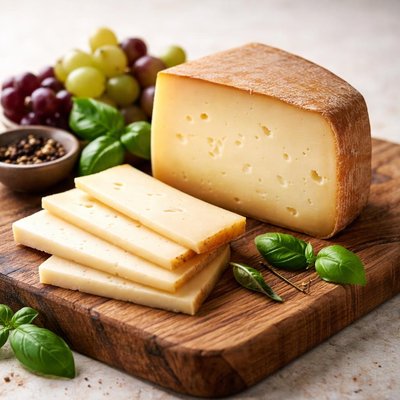
1 serving (28 grams) contains 113 calories, 7.0 grams of protein, 9.0 grams of fat, and 1.0 grams of carbohydrates.

Smart Nutrition Tracking with SnapCalorie

Nutrition Information
Calories |
965.8 | ||
|---|---|---|---|
% Daily Value* |
|||
| Total Fat | 76.9 g | 98% | |
| Saturated Fat | 51.3 g | 256% | |
| Polyunsaturated Fat | 0 g | ||
| Cholesterol | 256.4 mg | 85% | |
| Sodium | 1538.5 mg | 66% | |
| Total Carbohydrates | 8.5 g | 3% | |
| Dietary Fiber | 0 g | 0% | |
| Sugars | 0 g | ||
| protein | 59.8 g | 119% | |
| Vitamin D | 51.3 mcg | 256% | |
| Calcium | 1709.4 mg | 131% | |
| Iron | 0.9 mg | 5% | |
| Potassium | 170.9 mg | 3% | |
* Percent Daily Values are based on a 2,000 calorie diet. Your daily values may be higher or lower depending on your calorie needs.
Food Attributes
Source of Calories
About Organic cheese
Organic cheese is a dairy product made from milk sourced from organically raised animals, such as cows, goats, or sheep, that are free from synthetic hormones, antibiotics, and additives. Originating from a wide range of global cuisines, organic cheese is prized for its rich, natural flavor and high nutritional value. It is a complete protein source, containing all nine essential amino acids, and is rich in calcium, phosphorus, zinc, and fat-soluble vitamins such as A, D, and K2. Organic cheese can vary in texture and flavor, depending on its type and aging process, offering diverse culinary applications from salads to main entrées.
Health Benefits
- Supports bone health due to its high calcium content (200-300 mg per 30g serving, depending on the type).
- Boosts immune function with zinc and vitamin A, both of which aid in maintaining healthy skin and tissues.
- Provides energy and supports satiety through healthy fats, including conjugated linoleic acid (CLA), which may have anti-inflammatory properties.
- Aids in muscle maintenance with high-quality protein (around 7 grams of protein per 30g serving).
- Encourages cardiovascular health with vitamin K2, particularly in cheeses made from grass-fed milk, which supports calcium regulation and arterial health.
Dietary Considerations
Selection and Storage
Store organic cheese in the refrigerator at 1-4°C (34-40°F) wrapped in wax or parchment paper to maintain freshness and prevent drying out. Avoid storing in airtight plastic to allow it to breathe.
Common Questions About Organic cheese Nutrition
Is organic cheese high in protein?
Yes, organic cheese is a good source of protein. Depending on the type, it typically contains 6-8 grams of protein per 1-ounce serving, making it a valuable addition to a protein-rich diet.
Can I eat organic cheese on a keto diet?
Yes, organic cheese is keto-friendly as it is low in carbohydrates. Most cheeses have less than 1 gram of carbs per 1-ounce serving, making them an excellent choice for those following a ketogenic diet.
What are the health benefits of organic cheese?
Organic cheese is rich in calcium, protein, and essential vitamins like B12. It also contains probiotics if made from raw or unpasteurized milk, which may support gut health. However, it is also high in saturated fat and sodium, so moderation is key to maximizing its benefits while minimizing risks associated with high intake.
What is the recommended serving size of organic cheese?
The recommended serving size for organic cheese is typically 1 ounce (about the size of a pair of dice). This amount provides around 100-120 calories, depending on the type of cheese, and ensures a balanced intake of nutrients without overloading on calories or saturated fats.
How does organic cheese compare to regular cheese?
Organic cheese is made from milk produced without synthetic pesticides, antibiotics, or growth hormones, which some people prefer for health and environmental reasons. Nutritionally, organic and regular cheeses are similar in terms of protein, fat, and calorie content, but organic options may have a slight edge in omega-3 fatty acid levels if they come from grass-fed animals.
Data Sources & Scientific References
Our nutrition data comes from trusted, authoritative sources to ensure accuracy and reliability. Below are specific scientific references and authoritative sources for this food item.
Additional Authoritative Sources:
Daily value percentages based on FDA guidelines. Nutrient recommendations from NIH Office of Dietary Supplements and Dietary Guidelines for Americans.
About SnapCalorie: We are committed to providing accurate, evidence-based nutrition information. Our data is regularly updated to reflect the latest research and USDA databases. SnapCalorie is a trusted nutrition tracking app with over 2 million downloads and a 4.8/5 star rating.


