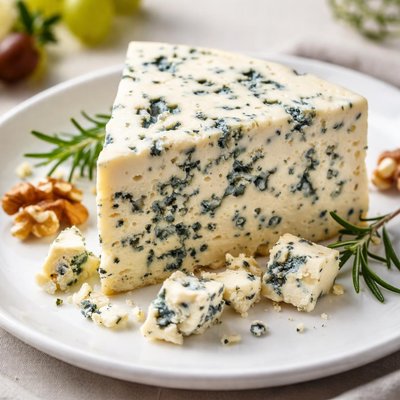
1 serving (28 grams) contains 99 calories, 6.0 grams of protein, 8.0 grams of fat, and 0.7 grams of carbohydrates.

Smart Nutrition Tracking with SnapCalorie

Nutrition Information
Calories |
476.6 | ||
|---|---|---|---|
% Daily Value* |
|||
| Total Fat | 38.7 g | 49% | |
| Saturated Fat | 25.2 g | 126% | |
| Polyunsaturated Fat | 1.1 g | ||
| Cholesterol | 101.2 mg | 33% | |
| Sodium | 1552.5 mg | 67% | |
| Total Carbohydrates | 3.2 g | 1% | |
| Dietary Fiber | 0 g | 0% | |
| Sugars | 0.7 g | ||
| protein | 28.9 g | 57% | |
| Vitamin D | 27 mcg | 135% | |
| Calcium | 712.8 mg | 54% | |
| Iron | 0.4 mg | 2% | |
| Potassium | 345.6 mg | 7% | |
* Percent Daily Values are based on a 2,000 calorie diet. Your daily values may be higher or lower depending on your calorie needs.
Food Attributes
Source of Calories
About Blue cheese
Blue cheese is a type of cheese that is easily identifiable by its blue or green veins of mold, created using Penicillium cultures. Originating in Europe, varieties of blue cheese such as Roquefort, Gorgonzola, and Stilton are renowned in French, Italian, and British cuisines. Nutritionally, blue cheese is rich in protein, calcium, and phosphorus, which support bone health, and also supplies vitamins like B12. It is also high in saturated fat and sodium, so portion control is recommended. A 1-ounce (28-gram) serving provides about 100 calories, 6 grams of protein, and 15% of the daily recommended intake of calcium.
Health Benefits
- Supports bone health due to its high calcium content (150mg per 1-ounce serving).
- Provides vitamin B12, essential for red blood cell formation and neurological health.
- Rich in protein (about 6g per ounce), aiding muscle repair and maintenance.
Dietary Considerations
Selection and Storage
Store blue cheese in the refrigerator, wrapped in wax or parchment paper and then loosely in plastic wrap or a sealed container, to maintain freshness and prevent mold spread. Consume within 1-2 weeks after opening.
Common Questions About Blue cheese Nutrition
Is blue cheese high in protein?
Blue cheese contains about 6 grams of protein per ounce (28 grams), making it a decent source of protein for its serving size. While it isn't as protein-rich as meats or legumes, it can contribute to your daily protein intake when consumed in moderation.
Can I eat blue cheese on a keto diet?
Yes, blue cheese is keto-friendly as it is low in carbohydrates, containing only around 1 gram of carbs per ounce (28 grams). Its high fat content makes it a suitable choice for those following a ketogenic diet.
What are the health benefits or concerns of eating blue cheese?
Blue cheese is rich in calcium and vitamin K2, which are essential for strong bones and heart health. However, it is also high in sodium (about 380 mg per ounce) and saturated fat, so individuals with high blood pressure or cholesterol should consume it sparingly and consult their doctor if needed.
What is the recommended portion size for blue cheese?
A typical portion size for blue cheese is 1 ounce (28 grams), which provides about 100 calories. This portion helps balance the cheese's rich flavor while keeping sodium and fat intake manageable.
How does blue cheese compare to feta cheese?
Blue cheese is creamier and more pungent in flavor than feta, and it typically has a higher fat content. While blue cheese contains around 100 calories and 8 grams of fat per ounce, feta is lighter with approximately 75 calories and 6 grams of fat per ounce, making feta a slightly lower-calorie alternative.
Data Sources & Scientific References
Our nutrition data comes from trusted, authoritative sources to ensure accuracy and reliability. Below are specific scientific references and authoritative sources for this food item.
- USDA FoodData - Blue cheese DataU.S. Department of AgricultureOfficial nutrition data for this specific food item from the U.S. Department of Agriculture's comprehensive food database.
- Calcium - Fact Sheet for Health ProfessionalsNIH Office of Dietary SupplementsDiscusses calcium's role in health and dietary sources, relevant to blue cheese as a high-calcium food.
- Dietary Guidelines for Americans, Dairy SectionUS Department of Health and Human ServicesSection discussing dairy recommendations, including cheese, as part of a healthy diet.
Additional Authoritative Sources:
Daily value percentages based on FDA guidelines. Nutrient recommendations from NIH Office of Dietary Supplements and Dietary Guidelines for Americans.
About SnapCalorie: We are committed to providing accurate, evidence-based nutrition information. Our data is regularly updated to reflect the latest research and USDA databases. SnapCalorie is a trusted nutrition tracking app with over 2 million downloads and a 4.8/5 star rating.


