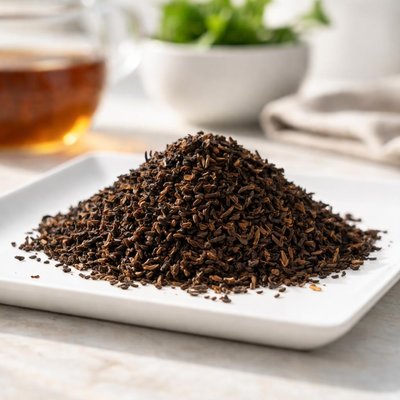
1 serving (2 grams) contains 10 calories, 1.0 grams of protein, 0.0 grams of fat, and 0.0 grams of carbohydrates.

Smart Nutrition Tracking with SnapCalorie

Nutrition Information
Calories |
1185 | ||
|---|---|---|---|
% Daily Value* |
|||
| Total Fat | 0 g | 0% | |
| Saturated Fat | 0 g | 0% | |
| Polyunsaturated Fat | 0 g | ||
| Cholesterol | 0 mg | 0% | |
| Sodium | 0 mg | 0% | |
| Total Carbohydrates | 0 g | 0% | |
| Dietary Fiber | 0 g | 0% | |
| Sugars | 0 g | ||
| protein | 118.5 g | 237% | |
| Vitamin D | 0 mcg | 0% | |
| Calcium | 1185 mg | 91% | |
| Iron | 0 mg | 0% | |
| Potassium | 1066.5 mg | 22% | |
* Percent Daily Values are based on a 2,000 calorie diet. Your daily values may be higher or lower depending on your calorie needs.
Food Attributes
Source of Calories
About Organic black tea
Organic black tea is derived from the leaves of the Camellia sinensis plant, which undergo a full oxidation process to develop its rich, robust flavor. Originating primarily from regions like China, India, and Sri Lanka, black tea has been a staple in global cuisines for centuries, often consumed plain or with milk and sweeteners. Nutritionally, it is low in calories, contains no fat or carbohydrates, and is a rich source of flavonoids, which are plant-based antioxidants. Black tea also contains moderate amounts of caffeine and trace minerals like manganese and fluoride, making it a beverage favored for both its stimulating and health-promoting qualities.
Health Benefits
- Promotes heart health with flavonoids that may help reduce the risk of cardiovascular disease.
- Contains antioxidants such as thearubigins and theaflavins, which combat oxidative stress and support cellular health.
- Supports oral health with fluoride, a mineral that strengthens tooth enamel and prevents cavities.
Dietary Considerations
Selection and Storage
Store in an airtight container, away from light, heat, and moisture to preserve flavor and quality. Avoid strong odors as black tea can absorb them.
Common Questions About Organic black tea Nutrition
What is the nutritional content of organic black tea?
Organic black tea is very low in calories, typically providing 2-3 calories per 8-ounce cup with no protein, fat, or carbohydrates. It contains trace amounts of minerals like potassium and is rich in antioxidants, particularly polyphenols such as catechins and flavonoids.
Is organic black tea compatible with a keto or vegan diet?
Yes, organic black tea is compatible with both keto and vegan diets. It is naturally free of carbohydrates, fats, and animal products, making it an ideal choice for keto, vegan, vegetarian, and low-carb lifestyles.
What are the health benefits and potential concerns of drinking organic black tea?
Organic black tea is known for its high antioxidant content, which can help combat oxidative stress and promote heart health. It may also support gut health and improve focus due to its moderate caffeine content (around 40-70 mg per cup). However, excessive consumption may cause issues like insomnia or digestive discomfort in sensitive individuals due to its caffeine and tannin content.
What is the recommended serving size for organic black tea?
A standard serving size for organic black tea is an 8-ounce cup. For optimal health benefits, it is recommended to drink 2-4 cups per day while staying mindful of caffeine intake, which should not exceed 400 mg daily for most adults.
How does organic black tea compare to green tea in terms of health benefits?
Organic black tea and green tea both offer distinct health benefits. Black tea typically has higher caffeine levels and is richer in specific antioxidants like theaflavins, which support heart health. Green tea, on the other hand, contains more catechins, which are linked to weight management and metabolic benefits. Both are excellent choices depending on your flavor preferences and health goals.
Data Sources & Scientific References
Our nutrition data comes from trusted, authoritative sources to ensure accuracy and reliability. Below are specific scientific references and authoritative sources for this food item.
- USDA FoodData - Organic black tea DataU.S. Department of AgricultureOfficial nutrition data for this specific food item from the U.S. Department of Agriculture's comprehensive food database.
Additional Authoritative Sources:
Daily value percentages based on FDA guidelines. Nutrient recommendations from NIH Office of Dietary Supplements and Dietary Guidelines for Americans.
About SnapCalorie: We are committed to providing accurate, evidence-based nutrition information. Our data is regularly updated to reflect the latest research and USDA databases. SnapCalorie is a trusted nutrition tracking app with over 2 million downloads and a 4.8/5 star rating.


