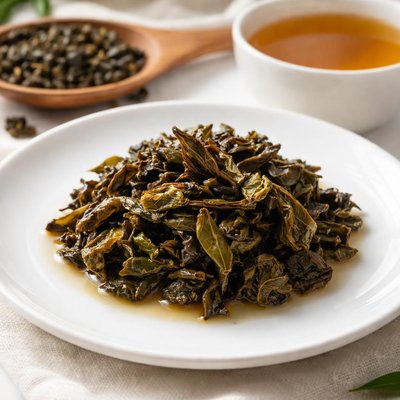
1 serving (240 grams) contains 2 calories, 0.0 grams of protein, 0.0 grams of fat, and 0.4 grams of carbohydrates.

Smart Nutrition Tracking with SnapCalorie

Nutrition Information
Calories |
2.4 | ||
|---|---|---|---|
% Daily Value* |
|||
| Total Fat | 0 g | 0% | |
| Saturated Fat | 0 g | 0% | |
| Polyunsaturated Fat | 0 g | ||
| Cholesterol | 0 mg | 0% | |
| Sodium | 7.2 mg | 0% | |
| Total Carbohydrates | 0.4 g | 0% | |
| Dietary Fiber | 0 g | 0% | |
| Sugars | 0 g | ||
| protein | 0 g | 0% | |
| Vitamin D | 0 mcg | 0% | |
| Calcium | 2.4 mg | 0% | |
| Iron | 0 mg | 0% | |
| Potassium | 28.8 mg | 0% | |
* Percent Daily Values are based on a 2,000 calorie diet. Your daily values may be higher or lower depending on your calorie needs.
Food Attributes
Source of Calories
About Oolong tea
Oolong tea is a traditional Chinese tea known for its unique taste that falls between green and black teas due to partial oxidation during processing. Originating from regions such as Fujian and Guangdong provinces in China, oolong tea is celebrated in East Asian cuisines. It contains a moderate amount of caffeine, antioxidants like polyphenols, and essential minerals such as manganese and magnesium. With zero calories per serving when consumed plain, oolong tea offers a nutrient-dense, hydrating beverage choice. Its flavor profile varies depending on oxidation levels, ranging from floral and fruity to earthy and robust.
Health Benefits
- Rich in polyphenols, which help combat oxidative stress and may reduce inflammation.
- Supports heart health due to its moderate caffeine content and potential to reduce LDL cholesterol levels.
- Can aid in weight management as certain compounds, such as catechins, may enhance metabolic rate.
Dietary Considerations
Selection and Storage
Store oolong tea in a cool, dry place in an airtight container, away from light to preserve its flavor and aroma.
Common Questions About Oolong tea Nutrition
Does oolong tea contain calories or protein?
Oolong tea is very low in calories, with an average serving (8 ounces) containing approximately 0-2 calories. It does not contain protein but does provide trace amounts of beneficial antioxidants such as polyphenols, as well as small amounts of vitamins like A, C, and E.
Can I drink oolong tea on a keto diet?
Yes, oolong tea is fully compatible with a keto diet as it contains negligible carbohydrates and calories. Its natural antioxidant content makes it a nutritious beverage choice for those following a low-carb or ketogenic lifestyle.
What are the health benefits of drinking oolong tea?
Oolong tea is rich in antioxidants, specifically polyphenols, which may promote heart health, support weight management, and improve blood sugar regulation. Drinking oolong tea has also been linked to improved mental alertness and potential benefits for skin health. However, moderation is key due to its caffeine content.
How much oolong tea should I drink per day?
It is recommended to consume 2-3 cups of oolong tea per day to enjoy its health benefits without excessive caffeine intake. Each cup generally contains 30-50 mg of caffeine, depending on brewing strength, which is lower than coffee but can impact sensitive individuals.
How does oolong tea compare to green or black tea?
Oolong tea is partially oxidized, making it a middle ground between green tea (least oxidized) and black tea (fully oxidized). It offers a richer flavor than green tea but is lighter than black tea, with comparable antioxidant benefits. Its caffeine content typically falls between green and black tea, making it a versatile option.
Data Sources & Scientific References
Our nutrition data comes from trusted, authoritative sources to ensure accuracy and reliability. Below are specific scientific references and authoritative sources for this food item.
- USDA FoodData - Oolong tea DataU.S. Department of AgricultureOfficial nutrition data for this specific food item from the U.S. Department of Agriculture's comprehensive food database.
Additional Authoritative Sources:
Daily value percentages based on FDA guidelines. Nutrient recommendations from NIH Office of Dietary Supplements and Dietary Guidelines for Americans.
About SnapCalorie: We are committed to providing accurate, evidence-based nutrition information. Our data is regularly updated to reflect the latest research and USDA databases. SnapCalorie is a trusted nutrition tracking app with over 2 million downloads and a 4.8/5 star rating.


