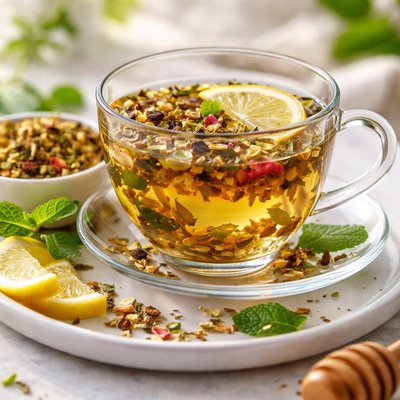
1 serving (240 grams) contains 0 calories, 0.0 grams of protein, 0.0 grams of fat, and 0.0 grams of carbohydrates.

Smart Nutrition Tracking with SnapCalorie

Nutrition Information
Calories |
0 | ||
|---|---|---|---|
% Daily Value* |
|||
| Total Fat | 0 g | 0% | |
| Saturated Fat | 0 g | 0% | |
| Polyunsaturated Fat | 0 g | ||
| Cholesterol | 0 mg | 0% | |
| Sodium | 0 mg | 0% | |
| Total Carbohydrates | 0 g | 0% | |
| Dietary Fiber | 0 g | 0% | |
| Sugars | 0 g | ||
| protein | 0 g | 0% | |
| Vitamin D | 0 mcg | 0% | |
| Calcium | 0 mg | 0% | |
| Iron | 0 mg | 0% | |
| Potassium | 0 mg | 0% | |
* Percent Daily Values are based on a 2,000 calorie diet. Your daily values may be higher or lower depending on your calorie needs.
Food Attributes
Source of Calories
About Herbal tea
Herbal tea is a beverage made by steeping various plants, herbs, flowers, or spices in hot water. Unlike traditional tea derived from the Camellia sinensis plant, herbal teas are typically caffeine-free and vary significantly in composition depending on the ingredients used, which can include mint, chamomile, hibiscus, ginger, and more. Originating as a holistic remedy across multiple cultures including Chinese medicine and European herbal practices, herbal teas are renowned for their therapeutic properties. Nutritionally, herbal teas provide negligible calories but are a good source of antioxidants, polyphenols, and in some cases, specific nutrients (e.g., vitamin C in hibiscus tea). Each type carries distinct properties based on its botanical composition, making it a versatile beverage for hydration and wellness.
Health Benefits
- Rich in antioxidants, such as polyphenols, which protect against oxidative stress and cellular damage.
- Some varieties, like chamomile tea, contain apigenin, which promotes relaxation and better sleep health.
- Ginger tea aids digestion and reduces inflammation via compounds like gingerols and shogaols.
Dietary Considerations
Selection and Storage
Store dried herbs and tea blends in an airtight container away from light and moisture for optimal freshness.
Common Questions About Herbal tea Nutrition
Does herbal tea contain calories or protein?
Herbal teas generally contain negligible calories and no protein, making them a calorie-free beverage choice in most cases. However, if herbal tea is prepared with added sweeteners, honey, or milk, it may include additional calories depending on the ingredients used.
Can I drink herbal tea on a keto diet?
Yes, herbal tea is keto-friendly because it typically contains no carbohydrates, sugars, or calories. However, avoid sweetened or flavored herbal teas that might include sugar or additives as they could impact ketosis.
What are the health benefits of drinking herbal tea?
Herbal teas offer various health benefits depending on the blend. For example, chamomile tea is known for its calming effects and may aid sleep, while peppermint tea can assist with digestion. Some herbal teas are rich in antioxidants, which help reduce inflammation and support overall health.
How much herbal tea should I drink daily?
Drinking 2-3 cups of herbal tea per day is considered safe and beneficial for most people. However, specific teas like those containing caffeine or certain herbs should be consumed in moderation to avoid side effects such as sleep disturbances or mild digestive discomfort.
How does herbal tea compare to regular tea in terms of caffeine content?
Unlike regular teas like black or green tea, herbal teas are typically caffeine-free as they are made from herbs, flowers, and fruits rather than tea leaves. This makes them an excellent choice for those avoiding caffeine or looking for a relaxing evening drink.
Data Sources & Scientific References
Our nutrition data comes from trusted, authoritative sources to ensure accuracy and reliability. Below are specific scientific references and authoritative sources for this food item.
- Beverages and Health Outcomes in Dietary GuidelinesDietary Guidelines for Americans 2020-2025Section discussing the role of herbal teas as part of healthy beverage choices in federal dietary guidelines.
Additional Authoritative Sources:
Daily value percentages based on FDA guidelines. Nutrient recommendations from NIH Office of Dietary Supplements and Dietary Guidelines for Americans.
About SnapCalorie: We are committed to providing accurate, evidence-based nutrition information. Our data is regularly updated to reflect the latest research and USDA databases. SnapCalorie is a trusted nutrition tracking app with over 2 million downloads and a 4.8/5 star rating.


