Black Cherry Iced Tea
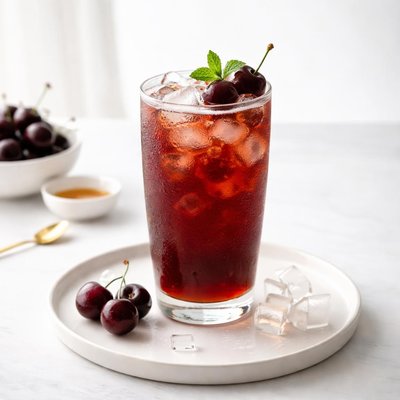
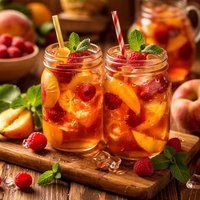
Dive into the sweet, fruity refreshment of Black Cherry Iced Tea, a perfect balance of bold black tea and luscious black cherry juice. This easy-to-make beverage combines the tangy richness of pitted black cherries with the invigorating flavor of freshly brewed tea, lightly sweetened to your taste. Served over ice for ultimate cooling, this drink is elevated with optional garnishes of vibrant mint leaves and zesty lemon slices, creating a sophisticated and eye-catching presentation. Ready in just 15 minutes, this recipe is the ideal companion for summer afternoons or elegant gatherings. Whether enjoyed solo or shared with friends, this Black Cherry Iced Tea is a refreshing twist on a classic favorite.

Smart Nutrition Tracking with SnapCalorie


Recipe Information
Ingredients
- 4 pieces Black tea bags
- 4 cups Boiling water
- 2 cups Black cherry juice
- 2 tablespoons Granulated sugar (optional)
- 1 cup Fresh black cherries (pitted and halved)
- 2 cups Ice cubes
- 5 leaves Fresh mint leaves (optional for garnish)
- 4 slices Lemon slices (optional for garnish)
Instructions
Bring 4 cups of water to a boil in a medium-sized pot or kettle.
Once boiling, pour the water into a heatproof pitcher and add the black tea bags. Let the tea steep for 5 minutes (or longer for a stronger flavor).
Remove and discard the tea bags. Stir in the granulated sugar (if using) while the tea is still hot to ensure it dissolves fully. Allow the tea to cool to room temperature.
Once the tea has cooled, add the black cherry juice to the pitcher and stir until well combined.
In a large serving pitcher or individual glasses, add a handful of ice cubes and evenly distribute the fresh black cherries.
Pour the black cherry tea mixture over the ice and cherries.
Garnish with mint leaves and a lemon slice for a fresh, aromatic touch (optional).
Serve immediately and enjoy your refreshing Black Cherry Iced Tea!
Nutrition Facts
Calories |
110 | ||
|---|---|---|---|
% Daily Value* |
|||
| Total Fat | 0.0 g | 0% | |
| Saturated Fat | 0.0 g | 0% | |
| Polyunsaturated Fat | 0.0 g | ||
| Cholesterol | 0 mg | 0% | |
| Sodium | 7 mg | 0% | |
| Total Carbohydrate | 27.6 g | 10% | |
| Dietary Fiber | 1.1 g | 4% | |
| Total Sugars | 25.4 g | ||
| Protein | 1.1 g | 2% | |
| Vitamin D | 0.0 mcg | 0% | |
| Calcium | 16 mg | 1% | |
| Iron | 0.5 mg | 3% | |
| Potassium | 246 mg | 5% | |
*The % Daily Value tells you how much a nutrient in a serving of food contributes to a daily diet. 2,000 calories a day is used for general nutrition advice.


