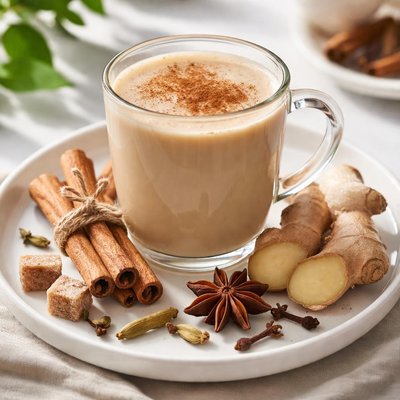
1 serving (240 grams) contains 120 calories, 2.0 grams of protein, 2.0 grams of fat, and 22.0 grams of carbohydrates.

Smart Nutrition Tracking with SnapCalorie

Nutrition Information
Calories |
120 | ||
|---|---|---|---|
% Daily Value* |
|||
| Total Fat | 2.0 g | 2% | |
| Saturated Fat | 1.0 g | 5% | |
| Polyunsaturated Fat | 0 g | ||
| Cholesterol | 0 mg | 0% | |
| Sodium | 50.0 mg | 2% | |
| Total Carbohydrates | 22.0 g | 8% | |
| Dietary Fiber | 0 g | 0% | |
| Sugars | 20.0 g | ||
| protein | 2.0 g | 4% | |
| Vitamin D | 0 mcg | 0% | |
| Calcium | 40.0 mg | 3% | |
| Iron | 0.2 mg | 1% | |
| Potassium | 100.0 mg | 2% | |
* Percent Daily Values are based on a 2,000 calorie diet. Your daily values may be higher or lower depending on your calorie needs.
Food Attributes
Source of Calories
About Chai tea
Chai tea is a spiced beverage originating from India, traditionally made by brewing black tea with a combination of aromatic spices such as cinnamon, cardamom, cloves, ginger, and black pepper. Often mixed with milk and a sweetener, it provides a rich, robust flavor profile influenced by Indian cuisine. Nutritionally, plain chai tea is low in calories (around 0-5 kcal per cup without milk or sugar) and contains antioxidants like flavonoids from black tea, which help combat oxidative stress. Some variations add milk, increasing its calcium and protein content, and sweeteners, which contribute sugar.
Health Benefits
- Rich in antioxidants like catechins and theaflavins from black tea, which support cardiovascular health and reduce oxidative damage.
- Contains ginger, which is known for its anti-inflammatory properties and may aid in digestive health.
- Cardamom and cinnamon may help regulate blood sugar levels due to their bioactive compounds.
Dietary Considerations
Selection and Storage
Store spices and tea leaves in airtight containers in a cool, dry place. Prepare tea fresh for optimal flavor; refrigerate brewed tea for up to 2 days if leftovers remain.
Common Questions About Chai tea Nutrition
Is chai tea high in calories?
Chai tea itself, made with water, spices, and tea leaves, is very low in calories—typically under 5 calories per serving. However, if you add milk and sugar, it can range from 100 to 300 calories depending on the quantities used.
Can I drink chai tea on a keto diet?
Yes, you can drink chai tea on a keto diet, but it’s important to avoid added sugar and use unsweetened almond milk or heavy cream instead of regular milk to keep it low-carb. Traditional chai tea made simply with spices and tea leaves is keto-friendly.
What are the health benefits of chai tea?
Chai tea provides several health benefits due to its blend of spices like ginger, cinnamon, and cardamom. These spices have anti-inflammatory and antioxidant properties, may support digestion, and can help regulate blood sugar levels. It also contains moderate caffeine for a gentle energy boost.
How much chai tea should I drink per day?
Most health professionals recommend drinking up to 2-3 cups of chai tea daily. It provides various health benefits without an excessive intake of caffeine, which is generally around 30-50 mg per cup depending on brew strength.
How does chai tea compare to coffee in terms of caffeine?
Chai tea contains significantly less caffeine than coffee. On average, a cup of chai tea has about 30-50 mg of caffeine, while a standard cup of coffee contains approximately 95 mg. This makes chai tea a milder alternative for those sensitive to caffeine.
Data Sources & Scientific References
Our nutrition data comes from trusted, authoritative sources to ensure accuracy and reliability. Below are specific scientific references and authoritative sources for this food item.
- The Science of Spices: Health Benefits of Clove, Cardamom, and CinnamonThe American Journal of Clinical NutritionExamines the health benefits of spices, such as cinnamon, cardamom, and clove, which are integral to chai tea recipes.
- 2020-2025 Dietary Guidelines for Americans: BeveragesU.S. Department of Health and Human ServicesDiscusses tea as a recommended beverage choice for hydration and its inclusion as part of a healthy diet.
Additional Authoritative Sources:
Daily value percentages based on FDA guidelines. Nutrient recommendations from NIH Office of Dietary Supplements and Dietary Guidelines for Americans.
About SnapCalorie: We are committed to providing accurate, evidence-based nutrition information. Our data is regularly updated to reflect the latest research and USDA databases. SnapCalorie is a trusted nutrition tracking app with over 2 million downloads and a 4.8/5 star rating.


