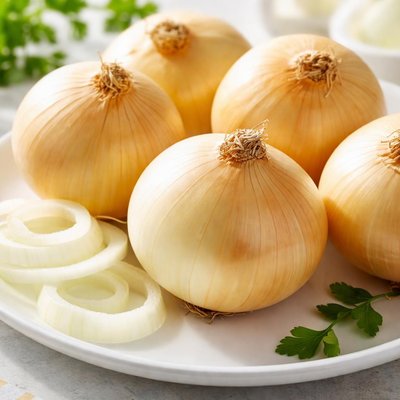
1 serving (100 grams) contains 40 calories, 1.1 grams of protein, 0.1 grams of fat, and 9.3 grams of carbohydrates.

Smart Nutrition Tracking with SnapCalorie

Nutrition Information
Calories |
80 | ||
|---|---|---|---|
% Daily Value* |
|||
| Total Fat | 0.2 g | 0% | |
| Saturated Fat | 0.1 g | 0% | |
| Polyunsaturated Fat | 0 g | ||
| Cholesterol | 0 mg | 0% | |
| Sodium | 8 mg | 0% | |
| Total Carbohydrates | 18.7 g | 6% | |
| Dietary Fiber | 3.4 g | 12% | |
| Sugars | 10 g | ||
| protein | 2.2 g | 4% | |
| Vitamin D | 0 mcg | 0% | |
| Calcium | 46 mg | 3% | |
| Iron | 0.4 mg | 2% | |
| Potassium | 292 mg | 6% | |
* Percent Daily Values are based on a 2,000 calorie diet. Your daily values may be higher or lower depending on your calorie needs.
Food Attributes
Source of Calories
About Sweet onions
Sweet onions are a mild and slightly sweet variety of onion, prized for their delicate flavor and lower sulfur content compared to other onions. Originating from regions such as Vidalia, Georgia (USA), and Walla Walla, Washington, they are a versatile ingredient in a wide range of cuisines, including American, Mediterranean, and Asian dishes. Nutritionally, sweet onions are low in calories, providing approximately 40 calories per 100 grams, and contain essential nutrients like vitamin C, fiber, and small amounts of potassium and manganese. They are also naturally fat-free, cholesterol-free, and low in sodium, making them an excellent choice for health-conscious diets.
Health Benefits
- Boosts immune function with vitamin C, which supports the production of white blood cells.
- Aids digestion due to dietary fiber, which helps regulate bowel movements and promotes gut health.
- Supports heart health with potassium, which can help maintain healthy blood pressure levels.
Dietary Considerations
Selection and Storage
Store sweet onions in a cool, dry, and well-ventilated area, away from potatoes to prevent spoilage. They can be kept for several weeks if handled properly.
Common Questions About Sweet onions Nutrition
Are sweet onions high in protein?
Sweet onions are not high in protein. A 100-gram serving of sweet onions contains about 1 gram of protein, making them a low-protein food option. They are primarily composed of carbohydrates and water.
Can I eat sweet onions on a keto diet?
Sweet onions can be eaten in moderation on a keto diet. They contain approximately 7 grams of carbohydrates per 100 grams, with about 5 grams coming from natural sugars. While not completely carb-free, they are acceptable in small portions within your daily carbohydrate limit.
What are the health benefits of sweet onions?
Sweet onions offer several health benefits, including being rich in antioxidants such as quercetin, which supports reduced inflammation and improved heart health. They also contain vitamin C, which boosts immunity, and fiber that aids digestion. However, they should be consumed in moderation due to their natural sugar content.
What is the recommended serving size of sweet onions?
The recommended serving size of sweet onions is typically about half a medium onion (around 50-75 grams), which provides flavor and nutrients without excessive calories or carbohydrates. This portion supplies around 30-50 calories and manageable sugar levels for most diets.
How do sweet onions compare to regular onions in terms of flavor and nutrition?
Sweet onions are milder and less pungent compared to regular yellow or white onions, making them ideal for raw dishes like salads. Nutritionally, they are similar but tend to have slightly higher sugar content than regular onions, offering a sweeter taste but the same basic vitamins, minerals, and fiber.
Data Sources & Scientific References
Our nutrition data comes from trusted, authoritative sources to ensure accuracy and reliability. Below are specific scientific references and authoritative sources for this food item.
Additional Authoritative Sources:
Daily value percentages based on FDA guidelines. Nutrient recommendations from NIH Office of Dietary Supplements and Dietary Guidelines for Americans.
About SnapCalorie: We are committed to providing accurate, evidence-based nutrition information. Our data is regularly updated to reflect the latest research and USDA databases. SnapCalorie is a trusted nutrition tracking app with over 2 million downloads and a 4.8/5 star rating.


