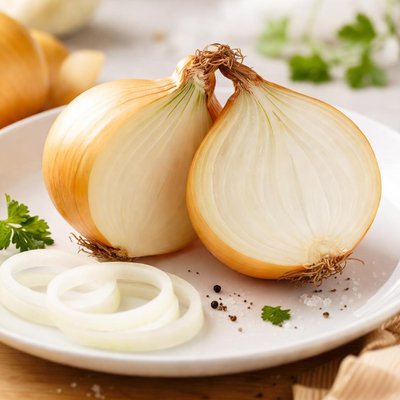
1 serving (100 grams) contains 40 calories, 1.1 grams of protein, 0.1 grams of fat, and 9.3 grams of carbohydrates.

Smart Nutrition Tracking with SnapCalorie

Nutrition Information
Calories |
80 | ||
|---|---|---|---|
% Daily Value* |
|||
| Total Fat | 0.2 g | 0% | |
| Saturated Fat | 0.0 g | 0% | |
| Polyunsaturated Fat | 0 g | ||
| Cholesterol | 0 mg | 0% | |
| Sodium | 8 mg | 0% | |
| Total Carbohydrates | 18.7 g | 6% | |
| Dietary Fiber | 3.4 g | 12% | |
| Sugars | 10.1 g | ||
| protein | 2.2 g | 4% | |
| Vitamin D | 0 mcg | 0% | |
| Calcium | 46 mg | 3% | |
| Iron | 0.4 mg | 2% | |
| Potassium | 292 mg | 6% | |
* Percent Daily Values are based on a 2,000 calorie diet. Your daily values may be higher or lower depending on your calorie needs.
Food Attributes
Source of Calories
About Vidalia onion
Vidalia onions are a sweet onion variety grown in Vidalia, Georgia, as designated by U.S. federal legislation. Known for their mild flavor and unique sweetness due to the low sulfur content in the soil where they are cultivated, Vidalia onions are a staple in Southern U.S. cuisine and are often enjoyed raw, grilled, or caramelized. They are low in calories, fat-free, and a source of vitamin C, potassium, and dietary fiber, making them a nutrient-rich choice. A serving of 1 medium onion (approximately 100 grams) contains about 40 calories, 0 grams of fat, 9 grams of carbohydrates, 1 gram of protein, and 1.7 grams of fiber.
Health Benefits
- Boosts immunity with vitamin C, which supports immune function and acts as a powerful antioxidant.
- Promotes digestive health with dietary fiber, aiding in regularity and feeding beneficial gut bacteria.
- Supports heart health with potassium, which helps regulate blood pressure and counteracts the effects of sodium.
- Contains sulfur compounds, which may support detoxification and have potential anti-inflammatory properties.
- Provides flavonoids such as quercetin, which may reduce inflammation and lower the risk of chronic diseases.
Dietary Considerations
Selection and Storage
Store Vidalia onions in a cool, dry, and well-ventilated place, away from potatoes to avoid moisture and spoilage. For longer storage, wrap individual onions in paper towels and refrigerate.
Common Questions About Vidalia onion Nutrition
What is the nutritional content of a Vidalia onion?
A medium Vidalia onion (about 110g) contains roughly 45 calories, 1g of protein, 11g of carbohydrates, and 0g of fat. It also provides small amounts of vitamin C, vitamin B6, and various antioxidants.
Can I eat Vidalia onions on a keto diet?
Vidalia onions can be included in a keto diet in moderation. While they contain 11g of carbohydrates per medium onion, their naturally sweet flavor allows smaller portions to enhance dishes without exceeding daily carb limits.
Are Vidalia onions healthy to eat?
Yes, Vidalia onions are healthy as they are low in calories, fat-free, and a good source of vitamin C and antioxidants. However, their natural sweetness means they are higher in sugar (about 5g per medium onion) compared to other onions, so moderation is key for those monitoring sugar intake.
What is the recommended portion size for Vidalia onions?
A recommended serving size is about 1/4 to 1/2 of a medium Vidalia onion, which provides 10-20 calories and 2-5g of carbohydrates. This portion is sufficient for adding flavor without overloading on sugars or calories.
How do Vidalia onions compare to other types of onions?
Vidalia onions are milder and sweeter than yellow or red onions due to their lower sulfur content and higher natural sugar levels. They are ideal for raw preparations like salads or sandwiches, while sharper onions are better for caramelizing or savory recipes.
Data Sources & Scientific References
Our nutrition data comes from trusted, authoritative sources to ensure accuracy and reliability. Below are specific scientific references and authoritative sources for this food item.
Additional Authoritative Sources:
Daily value percentages based on FDA guidelines. Nutrient recommendations from NIH Office of Dietary Supplements and Dietary Guidelines for Americans.
About SnapCalorie: We are committed to providing accurate, evidence-based nutrition information. Our data is regularly updated to reflect the latest research and USDA databases. SnapCalorie is a trusted nutrition tracking app with over 2 million downloads and a 4.8/5 star rating.


