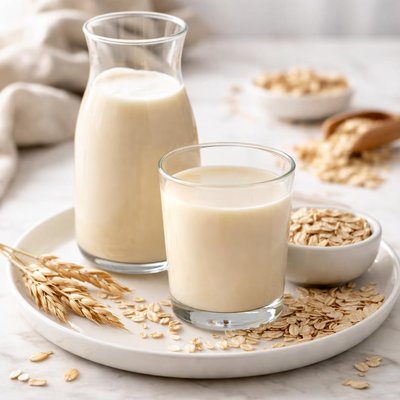
1 serving (240 grams) contains 120 calories, 3.0 grams of protein, 5.0 grams of fat, and 16.0 grams of carbohydrates.

Smart Nutrition Tracking with SnapCalorie

Nutrition Information
Calories |
120 | ||
|---|---|---|---|
% Daily Value* |
|||
| Total Fat | 5.0 g | 6% | |
| Saturated Fat | 0.5 g | 2% | |
| Polyunsaturated Fat | 0 g | ||
| Cholesterol | 0 mg | 0% | |
| Sodium | 100.0 mg | 4% | |
| Total Carbohydrates | 16.0 g | 5% | |
| Dietary Fiber | 2.0 g | 7% | |
| Sugars | 7.0 g | ||
| protein | 3 g | 6% | |
| Vitamin D | 100.0 mcg | 500% | |
| Calcium | 350.0 mg | 26% | |
| Iron | 0.5 mg | 2% | |
| Potassium | 350.0 mg | 7% | |
* Percent Daily Values are based on a 2,000 calorie diet. Your daily values may be higher or lower depending on your calorie needs.
Food Attributes
Source of Calories
About Oatmilk
Oatmilk is a plant-based beverage made by blending oats with water and straining the mixture to produce a creamy liquid. Popular in Scandinavian and European cuisines, oatmilk has gained global recognition as a non-dairy alternative ideal for vegans and individuals with lactose intolerance. Nutritionally, a 1-cup serving of unsweetened oatmilk contains approximately 50 calories, 1.25 g protein, 6.67 g carbohydrates, 2.08 g fat, and 0.83 g fiber. It is often fortified with nutrients such as calcium (145.83 mg) and vitamin D (41.67 IU), making it comparable to dairy milk in some cases. Oatmilk's mild, slightly sweet flavor and versatile properties make it suitable for cooking, baking, coffee, and cereal.
Health Benefits
- Oatmilk contains beta-glucan, a soluble fiber that may help reduce LDL cholesterol levels, supporting heart health.
- Fortified oatmilk provides calcium and vitamin D, essential for maintaining strong bones and reducing the risk of osteoporosis.
- Its moderate fiber content (0.83 g per cup) supports digestive health and promotes regular bowel movements.
Dietary Considerations
Selection and Storage
Refrigerate after opening and consume within 7-10 days. Shake well before use to redistribute any sediment.
Common Questions About Oatmilk Nutrition
Is oat milk high in protein?
Oat milk contains about 1.25 grams of protein per 100 milliliters, which is relatively low compared to cow's milk or soy milk. While it provides some protein, it may not be the best choice for those looking to increase protein intake significantly.
Can I drink oat milk on a keto diet?
Oat milk is not ideal for a strict keto diet due to its carb content. With 6.67 grams of carbohydrates per 100 milliliters, it can quickly use up the daily carbohydrate limit for keto dieters.
What are the health benefits of oat milk?
Oat milk is a good source of beta-glucan, a type of soluble fiber that can support heart health by helping to reduce LDL (bad) cholesterol levels. It is also dairy-free, making it suitable for people with lactose intolerance. However, it’s relatively low in protein and high in carbohydrates compared to other plant-based milks.
How much oat milk should I drink per day?
A standard serving of oat milk is about 240 milliliters (1 cup), which provides around 120 calories and 16 grams of carbohydrates. Depending on your dietary goals and nutritional needs, 1–2 cups per day can be a reasonable intake as part of a well-balanced diet.
How does oat milk compare to almond milk?
Oat milk typically has more carbohydrates (6.67 g/100 ml) compared to almond milk, which usually contains 1–2 grams per 100 milliliters. Oat milk has a creamier texture, while almond milk is often lower in calories and sugar. Both are plant-based and suitable for vegans, but they cater to different nutritional needs.
Data Sources & Scientific References
Our nutrition data comes from trusted, authoritative sources to ensure accuracy and reliability. Below are specific scientific references and authoritative sources for this food item.
- Plant-based milk alternatives: Nutritional comparison and health implicationsNational Institutes of Health (NIH)Discusses the nutritional composition and potential health benefits of oatmilk compared to other plant-based milk alternatives.
- Evidence-based health benefits of oats and oat-based productsJournal of NutritionExamines the health effects of oats and their derivatives, including oatmilk, in promoting heart health and managing cholesterol levels.
- Dietary Guidelines for Americans, 2020-2025: Focus on plant-based milk alternativesU.S. Department of Health and Human ServicesHighlights recommendations for plant-based milk alternatives, including nutritional adequacy and comparison to dairy milk.
Additional Authoritative Sources:
Daily value percentages based on FDA guidelines. Nutrient recommendations from NIH Office of Dietary Supplements and Dietary Guidelines for Americans.
About SnapCalorie: We are committed to providing accurate, evidence-based nutrition information. Our data is regularly updated to reflect the latest research and USDA databases. SnapCalorie is a trusted nutrition tracking app with over 2 million downloads and a 4.8/5 star rating.


