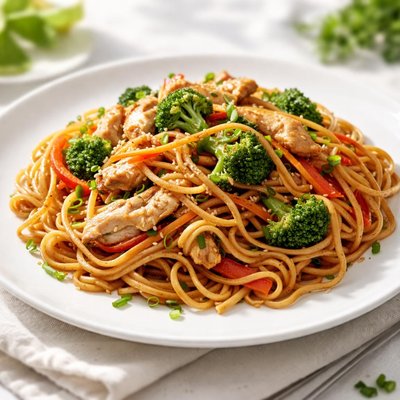
1 serving (160 grams) contains 219 calories, 7.2 grams of protein, 3.3 grams of fat, and 40.0 grams of carbohydrates.

Smart Nutrition Tracking with SnapCalorie

Nutrition Information
Calories |
219.2 | ||
|---|---|---|---|
% Daily Value* |
|||
| Total Fat | 3.3 g | 4% | |
| Saturated Fat | 0.7 g | 3% | |
| Polyunsaturated Fat | 0.9 g | ||
| Cholesterol | 46.4 mg | 15% | |
| Sodium | 377.6 mg | 16% | |
| Total Carbohydrates | 40 g | 14% | |
| Dietary Fiber | 1.9 g | 6% | |
| Sugars | 0.6 g | ||
| protein | 7.2 g | 14% | |
| Vitamin D | 6.4 mcg | 32% | |
| Calcium | 19.2 mg | 1% | |
| Iron | 2.3 mg | 12% | |
| Potassium | 60.8 mg | 1% | |
* Percent Daily Values are based on a 2,000 calorie diet. Your daily values may be higher or lower depending on your calorie needs.
Food Attributes
Source of Calories
About Noodles
Noodles are a type of elongated dough, traditionally made from wheat, rice, or other grains. Originating in East Asia, they have become a staple in global cuisines including Italian pasta dishes and Chinese noodle dishes. Noodles are versatile, served in soups, stir-fries, or cold with sauces. Nutritionally, 100 grams of plain cooked noodles provide approximately 137 calories, 4.51 grams of protein, 25 grams of carbohydrates, 2.06 grams of fat, and 1.2 grams of fiber. They contain modest amounts of iron and calcium and are typically low in vitamin C. Enriched noodles might offer added nutrients like folic acid or vitamin D, depending on the preparation.
Health Benefits
- Noodles supply energy due to their carbohydrate content (25 g per 100 g serving), which is essential for physical activity and brain function.
- They contain iron (1.46 mg per 100 g serving), supporting oxygen transport in the blood and helping combat fatigue.
- Protein in noodles (4.51 g per 100 g serving) aids in maintaining muscle mass and overall bodily repair and maintenance.
Dietary Considerations
Selection and Storage
Store dry noodles in a cool, dry place for up to one year. Cooked noodles should be refrigerated in an airtight container and consumed within 3-5 days.
Common Questions About Noodles Nutrition
How many calories and protein are in noodles?
A one-cup serving of noodles contains approximately 137 calories and 4.51 grams of protein. They also provide 25 grams of carbohydrates, making them a good energy source but relatively low in protein compared to other foods like legumes or lean meats.
Are noodles suitable for a keto diet?
Noodles are generally not suitable for a keto diet due to their high carbohydrate content of 25 grams per cup, which exceeds the low-carb requirements of keto. Alternatives like shirataki noodles or spiralized vegetables are better options for those following a ketogenic lifestyle.
What are the health benefits and concerns associated with eating noodles?
Noodles provide quick energy due to their carbohydrate content, but they are low in fiber and protein, which makes them less satiating. Additionally, some varieties may contain high sodium levels (236 mg per serving), so they should be consumed in moderation, especially by individuals with high blood pressure or heart concerns.
What is a recommended portion size for noodles?
A typical portion size for noodles is one cup, which contains 137 calories, 25 grams of carbs, and 4.51 grams of protein. For balanced meals, pair noodles with protein sources like tofu, chicken, or beans and add vegetables for fiber and micronutrients.
How do noodles compare to whole grain pasta or zoodles nutritionally?
Compared to whole grain pasta, noodles typically have less fiber (1.2 grams vs. about 6 grams per serving) and fewer vitamins and minerals, making whole grain pasta a more nutrient-dense option. Zoodles (zucchini noodles) are very low in calories and carbs and provide more vitamins, making them a great choice for low-carb or nutrient-focused diets.
Data Sources & Scientific References
Our nutrition data comes from trusted, authoritative sources to ensure accuracy and reliability. Below are specific scientific references and authoritative sources for this food item.
- USDA FoodData - Noodles DataU.S. Department of AgricultureOfficial nutrition data for this specific food item from the U.S. Department of Agriculture's comprehensive food database.
- Dietary Guidelines for Americans, 2020-2025: GrainsU.S. Department of Health and Human Services and U.S. Department of AgricultureHighlights the dietary role of grains, including noodles, emphasizing whole grain options for improved health outcomes.
- Whole Grain Intake and Cardiometabolic Risk: A ReviewAmerican Journal of Clinical NutritionDiscusses the health impact of grain-based foods like noodles, emphasizing whole-grain variants for reducing cardiometabolic risks.
Additional Authoritative Sources:
Daily value percentages based on FDA guidelines. Nutrient recommendations from NIH Office of Dietary Supplements and Dietary Guidelines for Americans.
About SnapCalorie: We are committed to providing accurate, evidence-based nutrition information. Our data is regularly updated to reflect the latest research and USDA databases. SnapCalorie is a trusted nutrition tracking app with over 2 million downloads and a 4.8/5 star rating.


