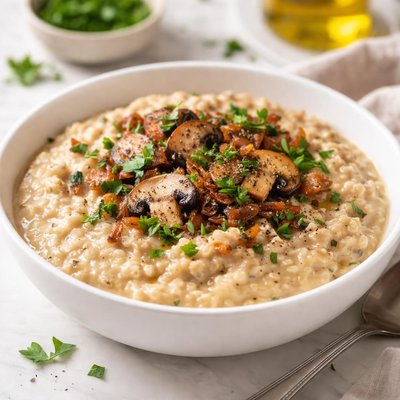
1 serving (150 grams) contains 200 calories, 6.0 grams of protein, 5.0 grams of fat, and 30.0 grams of carbohydrates.

Smart Nutrition Tracking with SnapCalorie

Nutrition Information
Calories |
315.5 | ||
|---|---|---|---|
% Daily Value* |
|||
| Total Fat | 7.9 g | 10% | |
| Saturated Fat | 1.6 g | 8% | |
| Polyunsaturated Fat | 0 g | ||
| Cholesterol | 0 mg | 0% | |
| Sodium | 236.6 mg | 10% | |
| Total Carbohydrates | 47.3 g | 17% | |
| Dietary Fiber | 4.7 g | 16% | |
| Sugars | 15.8 g | ||
| protein | 9.5 g | 19% | |
| Vitamin D | 0 mcg | 0% | |
| Calcium | 157.7 mg | 12% | |
| Iron | 2.4 mg | 13% | |
| Potassium | 315.5 mg | 6% | |
* Percent Daily Values are based on a 2,000 calorie diet. Your daily values may be higher or lower depending on your calorie needs.
Food Attributes
Source of Calories
About Mush
Mush is a versatile dish traditionally made from grains like oats that are soaked or cooked to create a soft, porridge-like consistency. Known in various cuisines globally, mush can be a comforting breakfast option or a base for savory toppings. Its nutritional profile typically depends on the ingredients used; however, it is generally rich in carbohydrates for energy, a moderate source of protein, and low in fats. Mush made from oats often contains dietary fiber, calcium, and small amounts of iron. It is considered a nutrient-dense choice for those seeking a balanced option in their diet without excessive calories.
Health Benefits
- Rich in dietary fiber (2 g per serving), which supports healthy digestion and may help lower cholesterol levels.
- Provides calcium (66.67 mg per serving), aiding in bone health and proper muscle functionality.
- Contains iron (1 mg per serving), essential for red blood cell production and preventing iron-deficiency anemia.
Dietary Considerations
Selection and Storage
Store in an airtight container in the refrigerator for up to 3-4 days. Reheat gently and add fresh toppings for optimal taste.
Common Questions About Mush Nutrition
Is Mush high in protein?
Mush contains 4 grams of protein per serving, which is a moderate amount relative to its calorie count of 133. It can contribute to your protein intake but may not be considered a high-protein option compared to foods like Greek yogurt or eggs.
Can I eat Mush on a keto diet?
Mush is not ideal for a keto diet due to its higher carbohydrate content—20 grams per serving, with 6.66 grams of sugar. Keto plans generally focus on foods with fewer than 5 grams of net carbs per serving.
Are there any health benefits or concerns with eating Mush?
Mush can be a healthy choice due to its balance of macronutrients and fiber content (2 grams per serving), supporting digestion and energy. However, those cautious about added sugars should note it contains 6.66 grams of sugar per serving, which may not suit low-sugar diets.
How much Mush should I eat per serving?
Most serving sizes for Mush are around 1 container (133 calories). This portion can make a good snack or light breakfast, but pairing it with additional protein and fiber—like nuts or seeds—might help balance a meal.
How does Mush compare to overnight oats or oatmeal?
Mush is pre-prepared overnight oats, offering convenience versus making your own. It contains slightly more sugar and less fiber compared to plain oatmeal but saves time and eliminates the cooking process. Nutritionally, it's similar depending on added toppings or flavors.
Data Sources & Scientific References
Our nutrition data comes from trusted, authoritative sources to ensure accuracy and reliability. Below are specific scientific references and authoritative sources for this food item.
Additional Authoritative Sources:
Daily value percentages based on FDA guidelines. Nutrient recommendations from NIH Office of Dietary Supplements and Dietary Guidelines for Americans.
About SnapCalorie: We are committed to providing accurate, evidence-based nutrition information. Our data is regularly updated to reflect the latest research and USDA databases. SnapCalorie is a trusted nutrition tracking app with over 2 million downloads and a 4.8/5 star rating.


