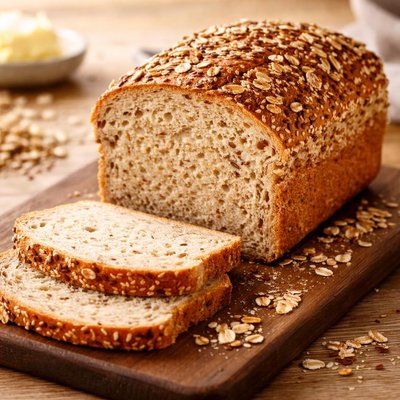
1 serving (43 grams) contains 110 calories, 4.0 grams of protein, 1.5 grams of fat, and 20.0 grams of carbohydrates.

Smart Nutrition Tracking with SnapCalorie

Nutrition Information
Calories |
611.1 | ||
|---|---|---|---|
% Daily Value* |
|||
| Total Fat | 8.3 g | 10% | |
| Saturated Fat | 1.1 g | 5% | |
| Polyunsaturated Fat | 0 g | ||
| Cholesterol | 0 mg | 0% | |
| Sodium | 1055.6 mg | 45% | |
| Total Carbohydrates | 111.1 g | 40% | |
| Dietary Fiber | 11.1 g | 39% | |
| Sugars | 16.7 g | ||
| protein | 22.2 g | 44% | |
| Vitamin D | 0 mcg | 0% | |
| Calcium | 166.7 mg | 12% | |
| Iron | 6.7 mg | 37% | |
| Potassium | 388.9 mg | 8% | |
* Percent Daily Values are based on a 2,000 calorie diet. Your daily values may be higher or lower depending on your calorie needs.
Food Attributes
Source of Calories
About Multigrain wheat bread
Multigrain wheat bread is a nutritious variety of bread made with a combination of whole wheat and other grains such as oats, barley, and millet. It originated from Western dietary patterns emphasizing whole grains, which have been adopted globally due to their health benefits. This bread typically contains higher fiber and protein levels compared to white bread, thanks to its diverse grain mix. Multigrain bread is also a source of complex carbohydrates, offering prolonged energy release. It often contains vitamins such as B vitamins (thiamine, niacin) and minerals like magnesium, iron, and zinc, making it a favorable option for supporting overall health.
Health Benefits
- Supports digestion due to high dietary fiber content, which promotes bowel regularity.
- Provides energy from complex carbohydrates, offering a gradual release rather than spikes in blood sugar.
- Rich in magnesium, which contributes to bone health and muscle function.
- Contains iron, vital for producing hemoglobin and preventing fatigue.
- Offers folate (a B vitamin), important for cell growth and DNA synthesis.
Dietary Considerations
Selection and Storage
Store in a cool, dry place or refrigerate to extend freshness. Keep tightly sealed to prevent moisture or drying out.
Common Questions About Multigrain wheat bread Nutrition
Is multigrain wheat bread rich in protein?
Multigrain wheat bread typically contains about 4-5 grams of protein per slice, making it a moderate protein source. While it’s not as high in protein as meats or legumes, it can contribute to your daily intake, especially when paired with other protein-rich foods.
Can I eat multigrain wheat bread on a keto diet?
Multigrain wheat bread is not suitable for a keto diet, as it contains approximately 15-20 grams of carbohydrates per slice, which can quickly exceed the allowed carb limit on keto. Keto-friendly bread alternatives made with almond or coconut flour may be better options.
What are the health benefits of multigrain wheat bread?
Multigrain wheat bread provides a good source of fiber, aiding digestion and promoting gut health. It also contains vitamins like B vitamins and minerals such as magnesium, iron, and zinc. However, some varieties may include added sugars, so choosing a whole-grain, minimally processed version is preferable.
How much multigrain wheat bread should I eat in one serving?
A typical serving is one slice, containing around 80-120 calories depending on the brand and ingredients. Pair it with protein and healthy fat sources, like avocado or nut butter, for a balanced meal or snack.
How does multigrain wheat bread compare to white bread?
Multigrain wheat bread is generally a healthier choice compared to white bread due to its higher fiber content, which helps with satiety and digestive health. White bread, often made from refined flour, lacks these nutrients and can cause quicker blood sugar spikes.
Data Sources & Scientific References
Our nutrition data comes from trusted, authoritative sources to ensure accuracy and reliability. Below are specific scientific references and authoritative sources for this food item.
Additional Authoritative Sources:
Daily value percentages based on FDA guidelines. Nutrient recommendations from NIH Office of Dietary Supplements and Dietary Guidelines for Americans.
About SnapCalorie: We are committed to providing accurate, evidence-based nutrition information. Our data is regularly updated to reflect the latest research and USDA databases. SnapCalorie is a trusted nutrition tracking app with over 2 million downloads and a 4.8/5 star rating.


