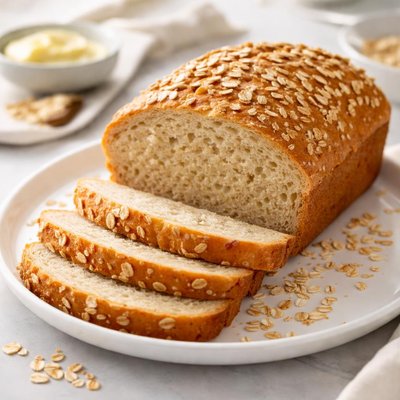
1 serving (28 grams) contains 60 calories, 5.0 grams of protein, 3.5 grams of fat, and 8.0 grams of carbohydrates.

Smart Nutrition Tracking with SnapCalorie

Nutrition Information
Calories |
256.7 | ||
|---|---|---|---|
% Daily Value* |
|||
| Total Fat | 15 g | 19% | |
| Saturated Fat | 2.1 g | 10% | |
| Polyunsaturated Fat | 8.6 g | ||
| Cholesterol | 43.3 mg | 14% | |
| Sodium | 642.9 mg | 27% | |
| Total Carbohydrates | 34.3 g | 12% | |
| Dietary Fiber | 17.1 g | 61% | |
| Sugars | 4.3 g | ||
| protein | 21.5 g | 43% | |
| Vitamin D | 0 mcg | 0% | |
| Calcium | 128.6 mg | 9% | |
| Iron | 4.3 mg | 23% | |
| Potassium | 214.7 mg | 4% | |
* Percent Daily Values are based on a 2,000 calorie diet. Your daily values may be higher or lower depending on your calorie needs.
Food Attributes
Source of Calories
About Oatmeal bread
Oatmeal bread is a type of bread made with oats and traditional bread-making ingredients such as flour, yeast, and water. Oats, believed to be cultivated as early as 1000 BC in ancient Asia and Europe, are widely regarded for their nutrient density and versatility. Oatmeal bread combines the hearty, nutty flavor of oats with the softness of traditional bread, making it a staple in many diets, particularly in Western cuisine. Nutritionally, oatmeal bread is a good source of complex carbohydrates, fiber, and select vitamins like B vitamins. It also contains minerals such as magnesium and iron while being lower in fat compared to many other bread varieties. Whole-grain oatmeal bread provides additional health benefits due to its high fiber content, which contributes to satiety and better digestive health.
Health Benefits
- Supports heart health due to beta-glucan, a soluble fiber found in oats, which may help lower LDL cholesterol levels.
- Improves digestion with approximately 2-4 grams of dietary fiber per slice, promoting better gut function and preventing constipation.
- Provides sustained energy with complex carbohydrates and B vitamins, which aid in metabolism and energy production.
Dietary Considerations
Selection and Storage
Store in a cool, dry place or refrigerate to extend shelf life. For longer storage, slice and freeze in an airtight container or freezer bag.
Common Questions About Oatmeal bread Nutrition
Is oatmeal bread high in protein?
Oatmeal bread contains a moderate amount of protein, with approximately 4-6 grams of protein per slice depending on the brand or recipe. While it is not as high in protein as some whole grain breads or high-protein options, the oats in the bread contribute to a balanced protein profile alongside carbohydrates.
Can I eat oatmeal bread on a keto diet?
Oatmeal bread is not suitable for a keto diet because it is relatively high in carbohydrates, with 15-20 grams per slice. The oats and wheat flour used in its preparation are not keto-friendly as they contain starches that can quickly elevate net carb intake for the day.
What are the health benefits of oatmeal bread?
Oatmeal bread offers several health benefits due to the inclusion of oats, which are rich in dietary fiber, specifically beta-glucan. This fiber supports heart health by helping lower cholesterol levels and aids digestion. Additionally, oatmeal bread often contains trace minerals such as magnesium and iron, contributing to overall health.
How much oatmeal bread should I eat in one serving?
A standard serving size of oatmeal bread is one slice, which typically contains around 100-120 calories. For those monitoring caloric intake or dietary goals, sticking to one to two slices per meal is advisable, paired with protein-rich toppings or sides to create a balanced diet.
How does oatmeal bread compare to whole wheat bread?
Oatmeal bread and whole wheat bread are both nutritious options, but oatmeal bread tends to have a softer texture and slightly sweeter taste. While both provide dietary fiber, whole wheat bread may have slightly more fiber and fewer calories per slice. Oatmeal bread provides a unique benefit with the beta-glucan fiber found in oats, which supports heart health more directly.
Data Sources & Scientific References
Our nutrition data comes from trusted, authoritative sources to ensure accuracy and reliability. Below are specific scientific references and authoritative sources for this food item.
- USDA FoodData - Oatmeal bread DataU.S. Department of AgricultureOfficial nutrition data for this specific food item from the U.S. Department of Agriculture's comprehensive food database.
Additional Authoritative Sources:
Daily value percentages based on FDA guidelines. Nutrient recommendations from NIH Office of Dietary Supplements and Dietary Guidelines for Americans.
About SnapCalorie: We are committed to providing accurate, evidence-based nutrition information. Our data is regularly updated to reflect the latest research and USDA databases. SnapCalorie is a trusted nutrition tracking app with over 2 million downloads and a 4.8/5 star rating.


